

Professional esports players can earn anywhere from a modest side income to multi-million-dollar contracts, but how much do pro gamers make depends heavily on the game they play, their skill tier, and how they monetize their presence. A top-tier League of Legends or Dota 2 player might pull in seven figures annually through team salaries and tournament winnings, while a mid-tier competitor in a smaller scene could be making closer to a regional median wage.
The gap between the top 1% and everyone else is wide, and raw skill is only part of the equation. By breaking down base salaries, prize pools, sponsorship deals, and streaming revenue across different games and competitive tiers, you'll get a realistic picture of what professional gaming actually pays and where the real money comes from.
Base salaries: what teams pay their players
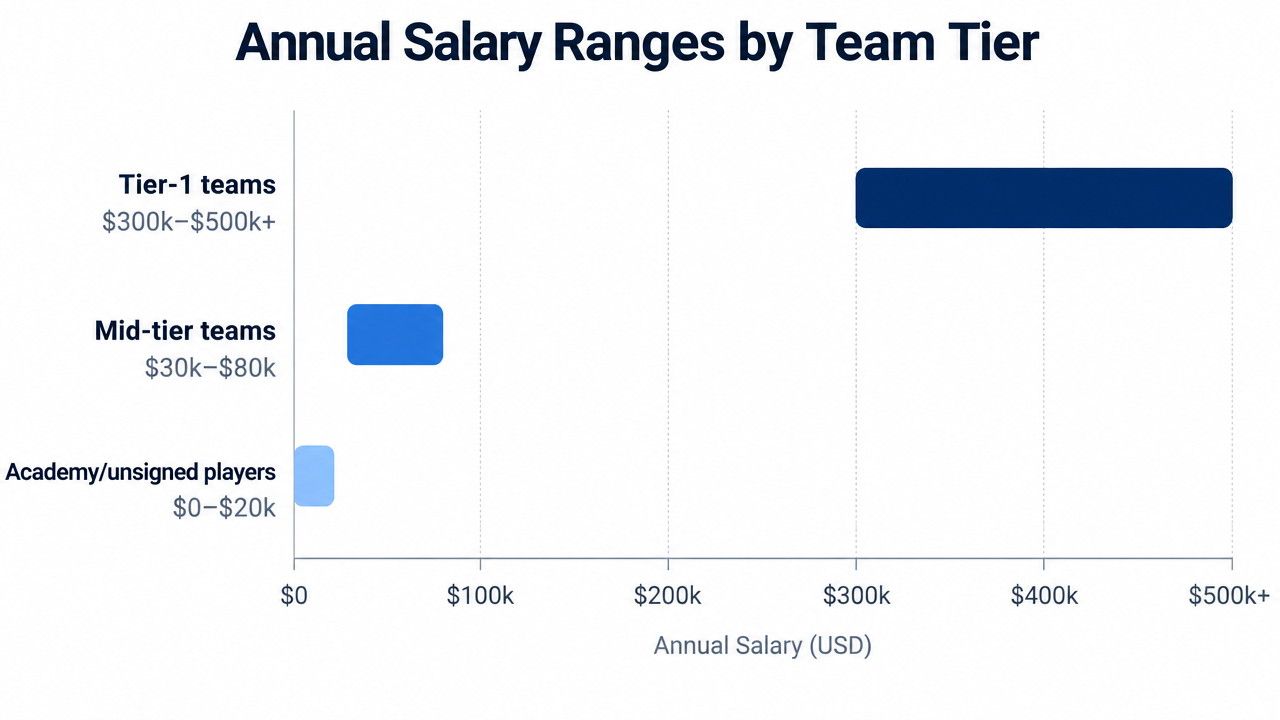
Tier-1 organizations in games like League of Legends, Counter-Strike, and Dota 2 pay monthly salaries that translate to anywhere from $30,000 to over $500,000 annually for their starting rosters. The range depends heavily on the title, region, and team's financial backing. Most tier-2 and tier-3 players earn modest salaries or none at all, relying instead on prize pools and side income. Only the top few percent of competitive players secure guaranteed team salaries, with the majority competing without contracts.
Tournament winnings and prize pools
Dota 2's The International regularly offers prize pools above $30 million, with winners taking home over $5 million per team. League of Worlds and CS2 majors typically award $2 million to $5 million total. Fortnite and Valorant events range from $500,000 to $3 million. These figures are split among five or more teammates, and organizations commonly take 10% to 50% of winnings. Only players who consistently place in the top eight see meaningful earnings. Most competitors outside the top 50 globally earn little to nothing from tournament play alone.
Sponsorships and brand deals
Individual players sign deals with peripheral makers (headsets, mice, keyboards), energy drink brands, apparel companies, and lifestyle products. These contracts pay based on social media reach and personal brand strength. A handful of tier-1 players with millions of followers earn six figures annually from endorsements alone. Most pros, however, receive free gear and small monthly stipends rather than transformative income. The gap between top influencers and mid-tier competitors is substantial: a player with 50,000 followers might get $500 per month plus products, while someone with 2 million can negotiate five-figure monthly retainers.
Streaming and content creation revenue
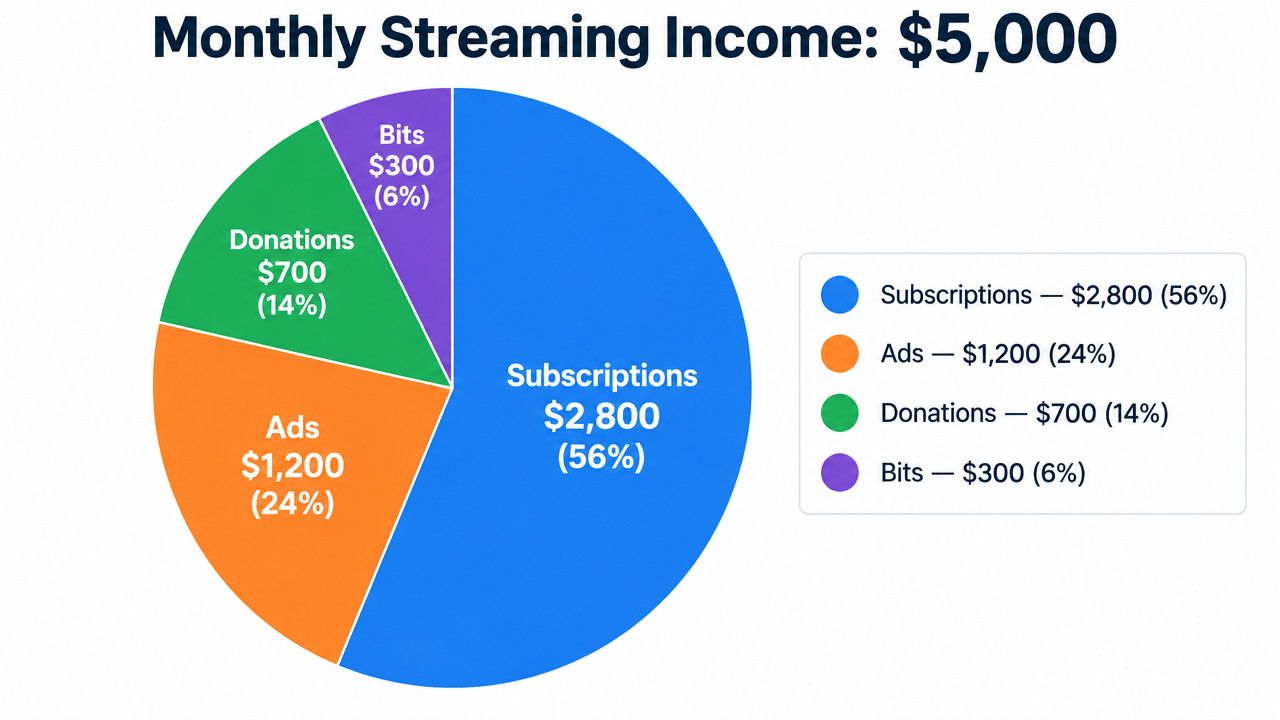
Most pro gamers earn more from streaming than from tournament winnings. Twitch streamers generate income through subscriptions (typically $2.50 per sub after the platform's cut), ad revenue, bits, and direct donations. YouTube offers similar monetization through ads and memberships. Streamers generally need consistent four-figure viewership to produce substantial income, with ad CPMs ranging from $2 to $10 per thousand views depending on audience demographics. Unlike tournament prize pools, streaming provides predictable monthly income. Players with modest competitive results but strong personalities often outearn tournament champions through content creation alone.
Real earnings by game and tier
Top-tier players in Dota 2 or League of Legends can pull in seven figures annually when salary, tournament winnings, and sponsorships combine. Mid-tier professionals on salaried rosters typically earn $30,000 to $80,000 per year, closer to entry-level tech jobs than star athlete contracts. The gap is severe: most aspiring pros grinding Tier 2 or Tier 3 circuits earn nothing or below minimum wage when calculated hourly, especially in games with shallow prize pools outside the flagship events. Counter-Strike and Valorant offer more consistent mid-tier income through league structures, but breaking into those rosters remains difficult.
What pro gamer earnings actually mean for your career path
Pro gaming income splits into four sources: team salary, tournament winnings, sponsorships, and streaming. Only tier-1 players on major teams earn six figures from salary alone. Most competitive players rely on streaming to pay bills, since tournament income is inconsistent and sponsorships favor those with large social followings. If you're considering the pro path, treat streaming and content creation as the foundation, not the backup plan. The gap between the top 1% and everyone else is wider in esports than in traditional sports. Build an audience first, compete second, and have a fallback skill you can monetize while grinding ranked.
Frequently asked questions
Do pro gamers get health insurance and benefits?
Top-tier teams in established leagues like the League of Legends Championship Series and Overwatch League provide health insurance, retirement plans, and performance coaches. Mid-tier organizations often cover basic health insurance but may not offer full benefits packages. Players on smaller teams typically receive salary only and handle their own insurance.
How much do female pro gamers make compared to male players?
Female pros in mixed-gender games earn comparable salaries and prize money when competing at the same level, though fewer women reach tier-one teams due to representation gaps. In women's-only circuits like Valorant Game Changers, prize pools are smaller but growing. Top female streamers often out-earn male counterparts in the same viewer bracket due to sponsorship demand.
What percentage of pro gamer income comes from prize money?
For most established pros, tournament winnings represent 10-30% of total income, with salary and sponsorships providing the stable base. Only top tournament performers in games like Dota 2 or Fortnite earn the majority from prizes. Newer or lower-tier players may see prizes comprise 50% or more if they lack a team salary.
Do pro gamers pay taxes on prize winnings?
Yes. Tournament winnings are taxable income in most countries. U.S. players report prizes as self-employment income and pay both income tax and self-employment tax unless playing under a team that withholds. International players face withholding taxes when competing in the U.S., often 30%, which may be reduced by tax treaties.
How long does the average pro gaming career last?
Most pro gaming careers last 3-5 years at the competitive peak, with player performance declining in the mid-to-late twenties due to reaction time and burnout. Some extend careers into coaching, commentary, or content creation. A few outliers compete into their thirties, particularly in strategy-heavy games like fighting games or card games.