
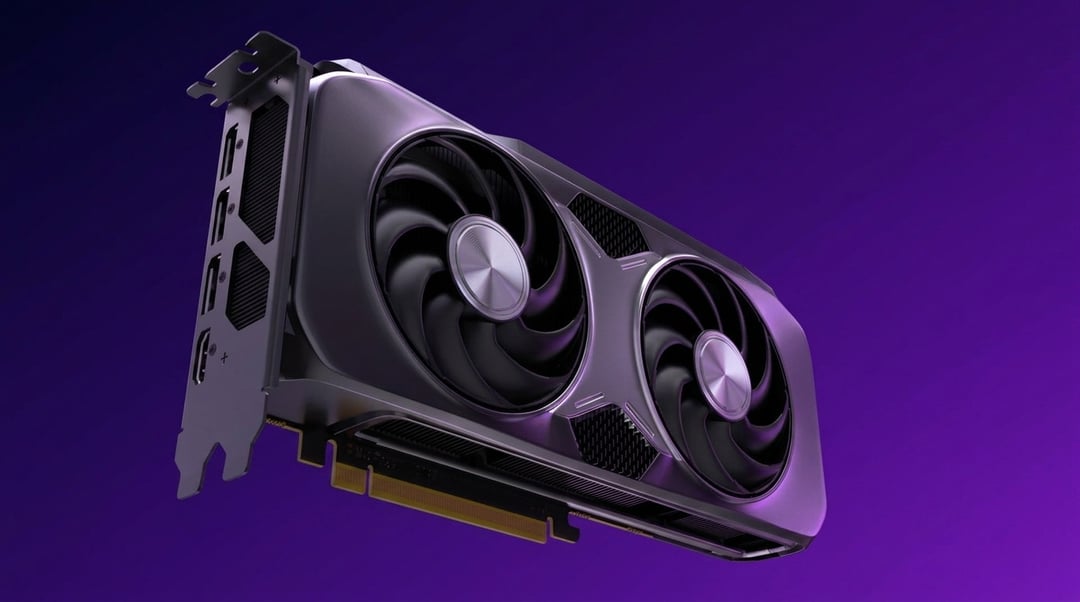
If you've been hunting for a capable 1440p graphics card without spending a small fortune, you've probably hit the same wall most of us have. GPU prices are still stubbornly high in 2026, and genuinely good deals are rare. So when AMD quietly made the Radeon RX 9070 GRE available globally this June at $549, a lot of people sat up and took notice.
Originally a China-exclusive release, the RX 9070 GRE — short for Golden Rabbit Edition — is now on shelves worldwide. The question worth asking honestly: is it actually worth your money, or is it just a budget compromise dressed up in RDNA 4 branding?
Let's get into it.
The Market Reality Behind This Card
Here's something worth understanding before you open your wallet. The GPU market in 2026 is still rough. AMD's own RX 9070 — the non-GRE version — launched at $549 but now sells for $600 to $640 on the street. Nvidia's RTX 5070 sits at $630 to $650. These are your real-world alternatives.
That context matters because the RX 9070 GRE steps in at the same $549 MSRP the RX 9070 originally launched at. If AMD holds that price, and that's a genuine if, then this card carves out a real niche. It's not a perfect GPU. But in this market, "pretty good at $549" is worth paying attention to.
1440p Performance: Where It Shines
This is the RX 9070 GRE's home turf. AMD tested the card across eight modern titles at 1440p using a Ryzen 7 9800X3D system, and the results are solid across the board. Forza Horizon 6 with ray tracing enabled averaged 80 frames per second at 1440p. That's a smooth, enjoyable experience on a QD-OLED panel.
Independent benchmarks back AMD's own 22% performance advantage over the RTX 5060 Ti 16GB at 1440p. Across 40 tested titles with and without ray tracing, the RX 9070 GRE consistently came out ahead of its closest Nvidia competitor.
FSR 4 and FSR 4.1 support adds meaningful value here too. The image quality improvement over previous FSR versions is noticeable, and the performance gains feel like free frames in supported titles. For 1440p gaming, this combination of raw performance and upscaling quality makes a real difference day to day.
Where It Falls Short
The 12GB VRAM limitation is real and worth taking seriously. At 1440p with current titles, 12GB is generally fine. But as games grow more demanding — and VRAM requirements have been creeping up — this headroom concern becomes more relevant if you plan to hold onto the card for three or four years.
The 192-bit memory bus is a direct consequence of the cut-down Navi 48 silicon. The full RX 9070 uses a 256-bit bus with 16GB VRAM. That difference in memory bandwidth shows up in memory-intensive workloads and high-resolution texture scenarios. It's not a dealbreaker for most buyers, but it's a real spec step-down.


