
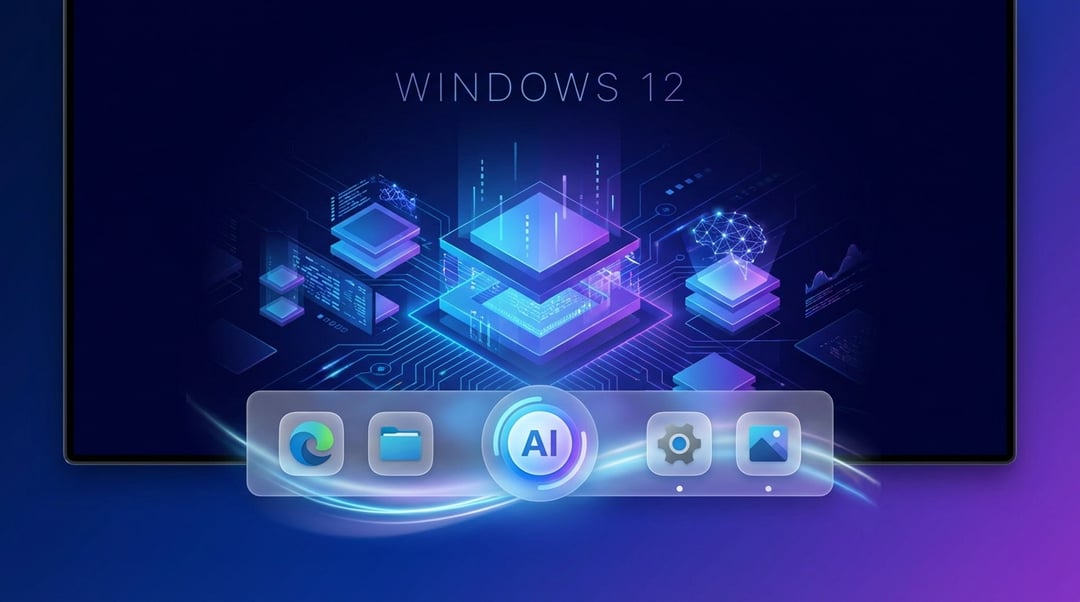
Expected Windows 12 Release Date and Upgrade Timeline
Industry leaks and internal references suggest that Windows 12 could launch in 2026. The timing lines up closely with the end of support for Windows 10 in October 2026, including the extended ESU period.
This alignment isn’t accidental. A new operating system release during a major support cutoff creates a natural upgrade cycle for both consumers and businesses. It allows Microsoft to transition users who are still on Windows 10 while continuing parallel support for Windows 11.
Windows 11 is expected to remain supported with updates even after Windows 12 arrives. The shift would likely be gradual rather than immediate, giving enterprises and individual users time to evaluate compatibility, hardware requirements, and deployment strategies.
Hudson Valley Next and CorePC Architecture
What Is “Hudson Valley Next”?
“Hudson Valley Next” is the internal codename widely associated with Windows 12. It represents more than a simple feature refresh. The project appears to be centered around a fundamental architectural shift.
CorePC Modular Architecture Explained
At the center of Hudson Valley Next is CorePC, a modular system design. This approach isolates system components more effectively, enabling:
- Granular updates
- Stronger system stability
- Flexible cloud integration
- Device-specific scaling
The modular structure allows lighter configurations for lower-performance devices while maintaining robust core components for high-performance systems. It also supports hybrid processing models that combine local computing with cloud-based AI workloads.
This architectural shift positions Windows 12 as adaptable across a wide spectrum of hardware, from tablets to enterprise workstations.
AI Integration as the Foundation of Windows 12
Copilot as a System-Level Control Layer
Windows 12 is expected to integrate artificial intelligence directly into the operating system’s core. Instead of treating AI as an optional feature, Microsoft appears to be embedding Copilot deeply into system functionality.
Copilot may evolve from a sidebar assistant into a central control layer that influences system-wide operations.
AI-Powered Features and Automation
Rumored AI capabilities include:
- Context-aware task recommendations
- Real-time content summaries
- Automatic document generation
- Intelligent file categorization
- Semantic search across system files
- Adaptive system settings based on usage patterns
For example, users may describe content conceptually while the system identifies relevant files regardless of exact filenames. Automation could extend across the entire OS rather than being confined to individual applications.
NPU Hardware Requirement and 40 TOPS Minimum
Dedicated NPU for Full Functionality
Several reports indicate that Windows 12 may require a dedicated Neural Processing Unit (NPU) delivering at least 40 TOPS (trillions of operations per second) to unlock full AI functionality.
This requirement signals a clear positioning strategy: Windows 12 is being designed for AI PCs and Copilot-enabled devices.
Impact on Hardware Compatibility
Major processor manufacturers such as Intel and AMD are already releasing CPUs with integrated AI acceleration. Some OEM systems are labeled “Windows 12 Ready,” suggesting preparation for new baseline hardware standards.
Devices without an NPU may:
- Miss certain AI features
- Experience limited functionality
- Potentially be excluded from full upgrade eligibility
This hardware emphasis may drive a new PC upgrade cycle tied to AI capability.
Radically Redesigned User Interface
Floating Taskbar and Visual Changes
Leaked visuals suggest significant design changes, including:
- A floating taskbar detached from the screen edge
- Rounded corners and glass-like transparency effects
- System indicators and clock relocated to the upper-right corner
- A centered, top-positioned search bar with Copilot integration
The design shifts user interaction toward search and AI-driven workflows.
Adaptive Desktop and Touch Experience
Windows management tools such as snap layouts, virtual desktops, and widgets are expected to become more flexible. The interface is designed to support hybrid usage scenarios, equally accommodating desktop input and touch interactions.
Efficiency, Performance, and Memory Management Improvements
Windows 12 is anticipated to optimize power management and memory allocation, particularly for modern mobile processors. AI-driven performance profiles could dynamically allocate system resources based on usage patterns.
The objective appears to be improved hardware efficiency while enabling expanded AI functionality without excessive resource consumption.
Enhanced Security and Zero-Trust Architecture
Deeper System Isolation
The modular CorePC design supports stronger system isolation, limiting the spread of potential vulnerabilities.
Zero-Trust and Cloud Protection Integration
Windows 12 may incorporate zero-trust security principles more deeply into the operating system. Enhanced authentication procedures and tighter cloud-based protection mechanisms are expected.
At the same time, local AI processing aims to address data privacy considerations by minimizing unnecessary cloud data exposure.
Gaming, DirectStorage, and AI Optimization
Windows remains Microsoft’s primary gaming platform. Windows 12 is expected to enhance:
- DirectStorage performance
- Cloud gaming latency reduction
- Xbox ecosystem integration
AI-assisted performance analysis may automatically adjust graphics settings and optimize gameplay configurations, reducing manual tuning requirements for users.
Subscription Strategy and Windows 365 Integration
Potential Premium AI Subscription Model
Code references mentioning “subscription status” have sparked discussion about new monetization models. Rather than converting Windows entirely into a subscription OS, Microsoft may introduce premium tiers within the Windows 365 ecosystem.
These premium offerings could provide:
- Additional cloud computing power
- Advanced AI features
- Exclusive Copilot capabilities
The core Home edition is likely to remain available under a traditional one-time license model.
AI Services as a Revenue Driver
The integration of resource-intensive cloud AI services may justify optional subscription add-ons, expanding Microsoft’s Windows-as-a-Service strategy into the consumer market.
Market Strategy and the AI-Driven PC Supercycle
The convergence of three factors creates substantial market momentum:
- End of Windows 10 support
- NPU hardware requirements
- Expansion of AI PC branding
Manufacturers are already aligning new devices with the next generation of Windows. Observers anticipate a potential PC supercycle fueled by AI acceleration hardware and new operating system standards.
At the same time, uncertainty remains regarding the long-term viability of systems lacking dedicated AI hardware.
Unresolved Questions: Name, Pricing, and Upgrade Eligibility
Several critical elements remain unconfirmed:
- Whether the official name will be Windows 12
- Final system requirements
- Free upgrade eligibility for Windows 10 users
- Pricing structure for retail versions
- Scope of subscription-based AI features
It is unclear whether only Windows 11 users will receive a free upgrade or if Windows 10 users will qualify. Alternatively, Microsoft may introduce a paid upgrade model for all users.
All currently available information is based on leaks, internal code references, and strategic industry trends. Microsoft has not formally announced Windows 12.