
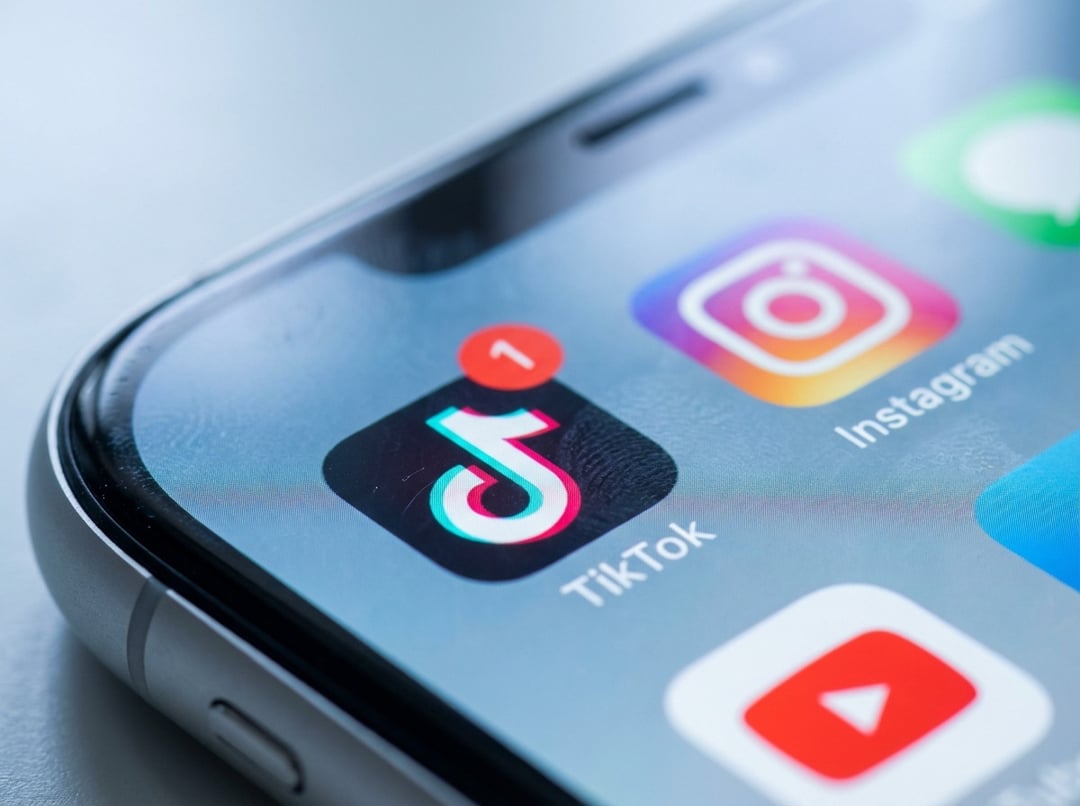
TikTok’s Decision to Avoid End-to-End Encryption in DMs
If you’ve ever assumed your private messages on social media are locked away from everyone but the person you’re talking to… this might give you pause.
According to a report from the BBC, TikTok will not introduce end-to-end encryption (E2EE) for direct messages on its platform. That’s a deliberate decision. Not a delay. Not a technical hurdle. A choice.
End-to-end encryption is the kind of security system where only the sender and recipient can read a message. Not the platform. Not hackers. Not anyone in between. Apps like WhatsApp and Signal use it as a core feature. For many users, it’s become the gold standard for private communication.
But TikTok is stepping away from that model—at least for direct messages.
And the reason matters.
Why TikTok Says End-to-End Encryption Could Make Users Less Safe
Here’s where things get complicated.
TikTok believes that adding end-to-end encryption to direct messages would actually reduce user safety. The company argues that if messages are fully encrypted, police and internal safety teams would not be able to access them when necessary.
In other words, if a serious issue arises—like criminal activity, exploitation, or threats—there would be no way for authorities or the platform to review those conversations.
From TikTok’s perspective, that lack of visibility creates a risk.
The Law Enforcement Access Argument
The core of TikTok’s stance centers on access.
With end-to-end encryption in place, platforms cannot read user messages—even if law enforcement makes a lawful request. That’s how the technology works. It’s designed to keep everyone out, including the company that runs the service.
TikTok appears to believe that maintaining the ability to access direct messages when required is essential for cooperation with police and for broader safety enforcement efforts.
That’s a sharp contrast to companies that frame encryption as a fundamental privacy right, regardless of investigative challenges.
Privacy vs. Safety: The Ongoing Encryption Debate
This decision places TikTok directly inside a much larger global conversation.
On one side, privacy advocates argue that end-to-end encryption protects users from surveillance, data breaches, and misuse of personal information. They see it as basic digital hygiene—like locking your front door.
On the other side, governments and some platforms argue that fully encrypted systems can create blind spots. If no one can access messages, even in extreme cases, harmful activity may go undetected.
TikTok’s position aligns more closely with the second view.
What This Means for Direct Message Security on TikTok
Without end-to-end encryption, TikTok retains the technical ability to access direct messages. That access can be used in response to safety concerns or legal requests.
For users, that means DMs are not protected by the highest level of encryption currently available in messaging technology.
It doesn’t automatically mean messages are publicly readable. It means they are not sealed off in a way that makes them inaccessible to the platform itself.
That distinction is important.
The Role of the BBC Report
The information about TikTok’s decision comes from a BBC report. According to that reporting, the company explicitly stated that implementing end-to-end encryption would make users less safe because it would prevent necessary access to messages.
This isn’t speculation or a leak. It’s a stated position.
And that clarity signals that TikTok sees this as a policy stance—not a temporary technical limitation.
Implications for User Trust and Platform Policy
When a social media platform decides against end-to-end encryption, it shapes how users think about privacy.
Trust becomes the central issue.
Users who prioritize encrypted messaging may question whether TikTok is the right platform for sensitive conversations. Others may view the safety-first approach as responsible, especially if they believe moderation and law enforcement access deter serious harm.
The tension between privacy and protection isn’t going away. TikTok has simply made clear where it stands—for now.