
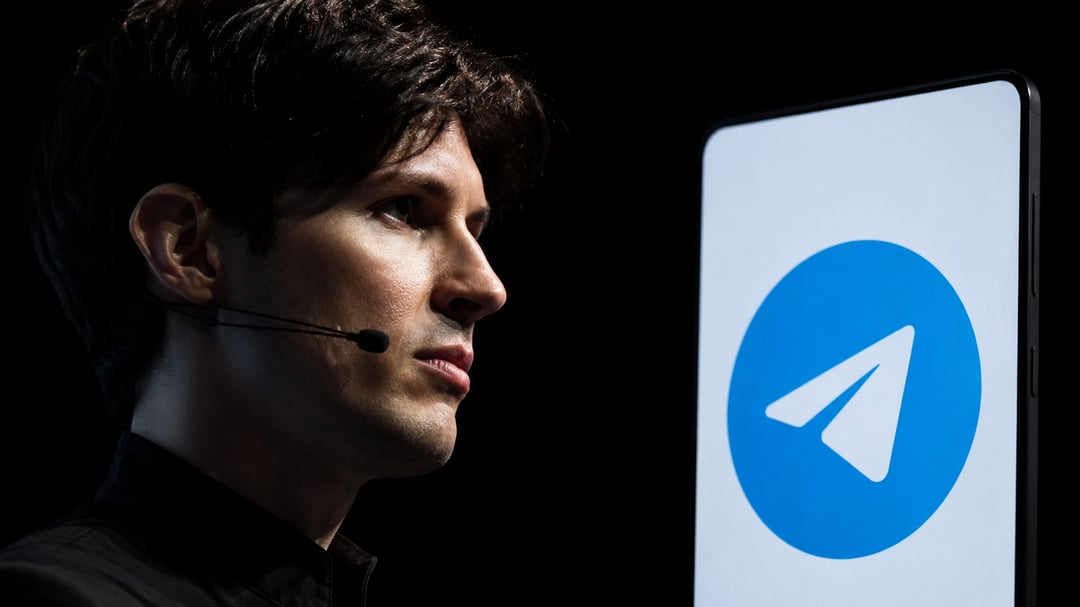
Pavel Durov used his official Telegram channel on July 21 to announce that a native, non-custodial Gram wallet will be built into every version of the messaging app this summer. The Telegram founder framed the plan in superlatives, calling it "the largest rollout of a non-custodial crypto wallet in human history." Alongside that claim came a promise of instant, fee-free crypto transfers for more than a billion people — a figure that reflects Telegram's global user base rather than any projection of wallet adoption.
The move also settles what currency sits at the center of that experience. Gram, the token formerly known as Toncoin, is being positioned as Telegram's default digital currency. That renaming matters for anyone tracking the asset: the ticker traders watch now reads GRAM, and it is the token tied directly to the app's wallet ambitions.
Gram Replaces Toncoin as Telegram's Default Currency
Making Gram the in-app default is a structural decision, not a cosmetic one. Instead of asking users to pick among assets or bring their own, the wallet is being designed around a single native currency that Telegram itself is promoting. For a messaging platform of that scale, defaults tend to determine behavior — most people never change them.
The practical question is what "default" will mean at launch. Durov's message described the wallet and the zero-fee transfers, but stopped short of listing which assets the in-app version will actually support when it ships. Gram's role is clear; everything around it is not.
How the Two-Stage Gram Wallet Rollout Works
A post from the Gram team on X laid out the rollout in two distinct phases, and the first is already running.
Stage One: The Web Wallet Is Already Live
A browser-based version of the Gram Wallet has shipped. Users can create a new wallet or import an existing one, then hold and send GRAM, jettons, and NFTs directly from the browser. It is functional today and requires no waiting on the in-app release.
There is also a standalone Gram Wallet app, built by the developer behind MyTonWallet. That app currently supports four networks:
- GRAM
- Ethereum
- Solana
- Tron
That multi-chain support is worth noting because it belongs to the standalone product, not to the promised in-app wallet. The two should not be assumed to be identical.
Stage Two: The Native In-App Wallet
The second phase is the one Durov's announcement was about — a wallet embedded directly into every Telegram app, planned for later this summer. This is where the billion-user figure comes from, and where the zero-fee transaction promise applies. It is also the piece with the least public detail attached to it.
What Non-Custodial Actually Means Here
The non-custodial label is doing real work in this announcement. In a custodial arrangement, a third party holds the private keys on a user's behalf. Non-custodial flips that: the individual retains full control over their own digital assets.
For a messaging app rolling this out at scale, that distinction shapes the user's relationship to their funds. Telegram would not be holding keys on behalf of a billion accounts. Control — and the responsibility that comes with it — sits with the person holding the wallet.
GRAM Price Reaction: An 8% Jump on Thin Detail
Markets responded quickly. GRAM climbed more than 8% after the announcement, trading near $1.53 with a market capitalization above $4 billion, according to BeInCrypto. Trading volume more than doubled over the following 24 hours, and CryptoNews reported the token rebounded from support near $1.40.
The rally is best read against the token's own recent range rather than in isolation. GRAM remains well below the peak near $2.80 it reached in May, with immediate resistance sitting around $1.60.
|
Level
|
Price
|
|
Recent trading price
|
~$1.53
|
|
Support
|
~$1.40
|
|
Immediate resistance
|
~$1.60
|
|
May peak
|
~$2.80
|
|
Market capitalization
|
Above $4 billion
|
An 8% move on an announcement without a shipping date tells you something about how the market is pricing distribution. The bet is on reach, not on a product anyone has tested at scale.
The Questions Durov Didn't Answer
This is where the announcement gets thin, and it is worth being direct about the gaps rather than filling them in with optimism.
Durov did not give a fixed release date. He did not specify which assets the in-app wallet would support when it launches. And he did not explain how Telegram intends to cover network costs while offering transfers at no fee. No technical documentation has been published to accompany the announcement.
That last gap is the substantive one. Zero-fee transactions are not free transactions — the network cost exists regardless of who pays it. Sustaining that model for more than a billion potential users raises an economics question that the announcement simply doesn't address. Until documentation appears, the claim of instant, no-cost transfers at that scale remains a stated intention rather than a demonstrated capability.
The web wallet is live and can be evaluated now. The in-app rollout — the part carrying the historic framing and the price reaction — is still a promise with a season attached to it and little else.


