
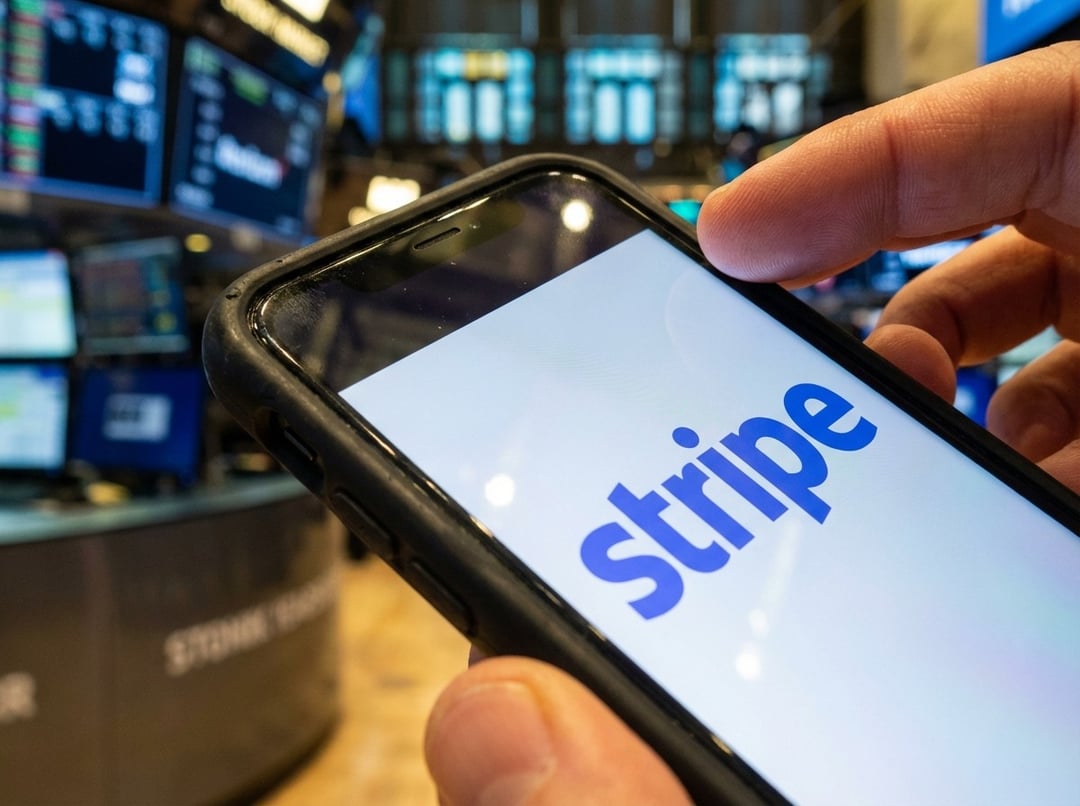
Tempo blockchain positions itself around faster financial transactions
Tempo blockchain is presented as a blockchain effort connected to Stripe-backed momentum, with a focus on financial infrastructure and real-time transaction capabilities. The central idea is speed. Not vague innovation-speak, but the kind of speed that matters when money needs to move without friction, delays, or layers of old banking drag.
What stands out in the available source content is the framing around trusted, real-time answers and technology discovery. In that context, Tempo is tied to a broader conversation about modern payment rails, blockchain utility, and the push to make financial systems feel less like paperwork and more like software. That matters because most people don't care about blockchain in the abstract. They care when it helps move money faster, settle transactions cleanly, and reduce the friction that usually shows up in cross-border or high-volume payment systems.
Why Stripe-backed blockchain attention matters in fintech
A Stripe-backed blockchain project draws attention because Stripe already carries weight in digital payments. Stripe is associated with internet-native financial tools, developer-friendly infrastructure, and scalable payment systems. So when a blockchain-related effort is linked with that kind of ecosystem, the signal is hard to ignore.
This kind of backing suggests more than hype. It implies market interest in practical blockchain applications, especially where transaction efficiency, payment coordination, and programmable financial systems overlap. In fintech, credibility matters. A lot. And support connected to a known payments company changes how people read the opportunity. It shifts the discussion from speculative crypto narratives toward infrastructure, rails, and actual financial use cases.
Real-time payments and blockchain infrastructure are converging
Blockchain speed matters when settlement delays create friction
The strongest practical case for blockchain in financial infrastructure is simple: reducing time between transaction initiation and settlement. Traditional systems often involve intermediaries, cut-off windows, reconciliation delays, and operational costs that pile up in the background. A blockchain designed with real-time performance in mind aims to compress that timeline.
For businesses, that can mean improved cash flow visibility and fewer operational slowdowns. For platforms and financial service providers, it can mean a more programmable backbone for moving value. And for users, it can mean something less glamorous but more useful—money that arrives when it's supposed to.
Modern financial rails need programmability and reliability
Tempo blockchain enters a landscape where payment infrastructure is expected to do more than move funds. It needs to integrate with software, support automation, and work in environments where timing and reliability are not optional. That's the real shift. Financial rails are no longer judged only by whether they function. They're judged by whether developers can build on top of them, whether systems can coordinate around them, and whether they hold up under demand.
A blockchain aligned with those needs has to be more than decentralized branding. It has to support transaction execution in a way that feels usable for real financial applications.
Stripe-backed Tempo blockchain reflects demand for practical blockchain use cases
For years, a lot of blockchain discussion got stuck in speculation. Big promises. Thin utility. But the context around Tempo suggests something more grounded: blockchain as infrastructure, not just ideology. That's a healthier frame, honestly. Because financial technology only matters if it solves a real problem.
The relevance here is not blockchain for its own sake. It's blockchain in service of faster financial movement, stronger system design, and more responsive transaction layers. A Stripe-backed signal makes that framing more credible because it points toward operational usefulness rather than novelty alone.
How Tempo blockchain fits into the broader fintech and payments conversation
Payments infrastructure is becoming more internet-native
Fintech keeps moving toward systems that behave like software products instead of legacy institutions. That means APIs, automation, lower latency, and infrastructure built for continuous digital use. A blockchain project operating in that space would naturally be measured by how well it supports those expectations.
Tempo's relevance, based on the source context available, sits inside that broader transformation. The idea is not simply digitizing payments. It's rebuilding the transaction layer so it can function more like the modern internet—faster, smarter, and more adaptable.
Trusted financial systems need credibility and execution
Attention around a Stripe-backed blockchain project also reflects a deeper market reality: trust still drives adoption. In financial services, users and businesses don't adopt infrastructure just because it's technically interesting. They adopt what feels dependable, scalable, and aligned with recognizable industry players.
That makes credibility a strategic advantage. Tempo blockchain is discussed in a way that connects technology ambition with payment-sector relevance, and that combination is where stronger fintech narratives tend to gain traction.
What makes blockchain infrastructure relevant to payment innovation
Blockchain infrastructure becomes relevant when it improves transaction performance, supports new financial workflows, and reduces dependency on slow or fragmented systems. That's really the test. Not whether the architecture sounds advanced, but whether it creates better outcomes for money movement.
In the case of Tempo, the emphasis implied by the source points toward infrastructure value: a system associated with speed, financial utility, and real-time capability. Those are the qualities that matter in payment innovation, especially as businesses demand more responsive systems and global transaction environments become more complex.
Stripe-backed Tempo blockchain signals a shift from crypto narrative to financial utility
One of the clearest implications of the source context is that blockchain attention is increasingly being tied to utility-driven finance. That's a meaningful shift. The industry conversation gets stronger when the focus moves away from abstraction and toward transaction rails, performance, and infrastructure design.
Tempo blockchain fits that pattern by being associated with a payments-oriented credibility signal and a real-time financial framing. That doesn't just make it another blockchain mention. It places it inside a more serious conversation about how digital financial systems are built and where payment technology is heading next.