
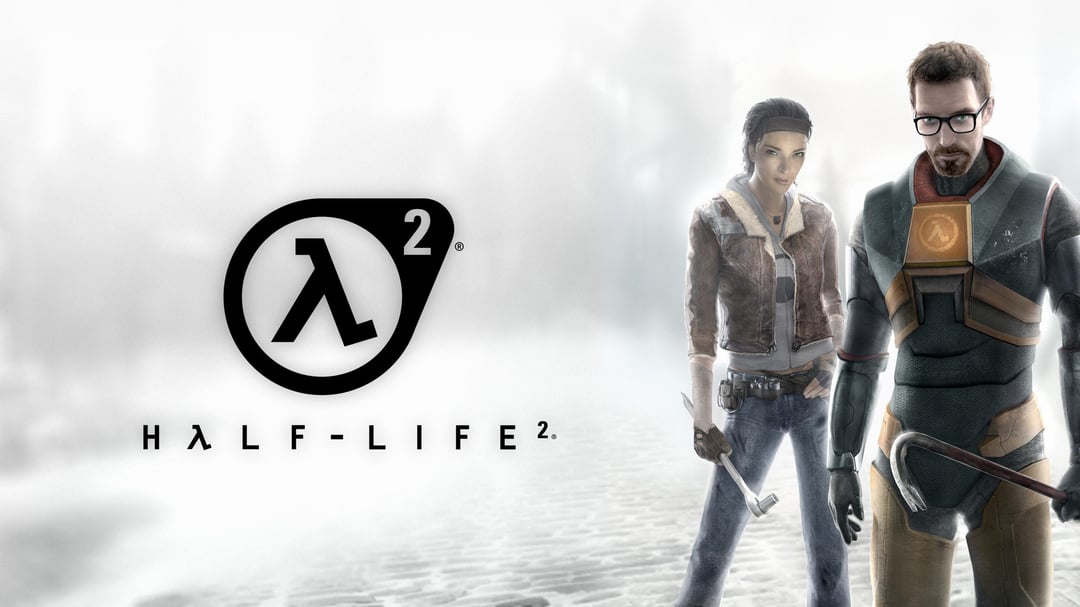
Half-Life 2 Joins ReactOS's Growing Compatibility List
The ReactOS team announced over the weekend that Valve's Half-Life 2 now runs on the open-source operating system. The developers behind the project describe it as a notable achievement in an effort that has spanned nearly three decades: building a free, Windows-compatible OS from the ground up. According to the team, the game performs well when tested on physical hardware rather than in a virtual machine.
Following Up on the Original Half-Life
This milestone lands less than a month after ReactOS demonstrated the original Half-Life running with full 3D hardware acceleration on real hardware in early June. That earlier result was itself viewed as a breakthrough, since the project has historically had a hard time handling applications with heavy 3D requirements. Moving on to Half-Life 2, Valve's more technically demanding 2004 sequel, represents a step up in complexity from that earlier win.
A Project Nearly Thirty Years in the Making
ReactOS marked its 30th anniversary in January 2026. It began as an attempt to build a free, binary-compatible alternative to Microsoft Windows through a clean-room reimplementation of the Windows NT architecture. This sets it apart from Linux-based approaches that depend on Wine as a compatibility layer — ReactOS instead works toward native execution of Windows software using its own kernel and Win32 subsystem.
The Engineering Progress Behind the Milestone
Development has picked up pace through 2026. In January, syncing with Wine 10.0 cut API test failures by close to 30 percent and resolved more than 7,500 individual issues. Then in early July, the project implemented its first Windows NT6 system call — a step toward eventually supporting software built for Windows Vista and later versions.
Why It’s Important to Get Half-Life 2 Working
Getting the Source engine to run demonstrates that ReactOS can meet its demands for DirectX rendering, audio, and file system access without leaning on an external translation layer. Phoronix's July 5 coverage framed the achievement as real, tangible momentum for a project that's often been written off as perpetually unfinished. The bigger question going into ReactOS's fourth decade is whether these gaming wins can translate into broader compatibility with everyday Windows applications.