
Razer’s Fully Agentic AVA Signals a Shift in AI-Powered Gaming Assistants
Razer is taking its AI ambitions further with a “fully agentic” version of its AI companion, AVA. And that word—agentic—is doing a lot of heavy lifting.
This isn’t just another chatbot layered onto gaming software. According to Razer, AVA can run both locally on a PC and in the cloud, giving it flexibility in how it operates and where it processes information. That alone matters. Local execution suggests tighter integration and responsiveness, while cloud support opens the door to more scalable intelligence.
The move reflects a bigger strategy: Razer isn’t experimenting with AI on the sidelines anymore. It’s building tools designed to actively participate in the user experience—not just react to it.
From Project AVA to Autonomous Digital Companion
The Evolution of Project AVA as an Esports AI Coach
AVA didn’t start here.
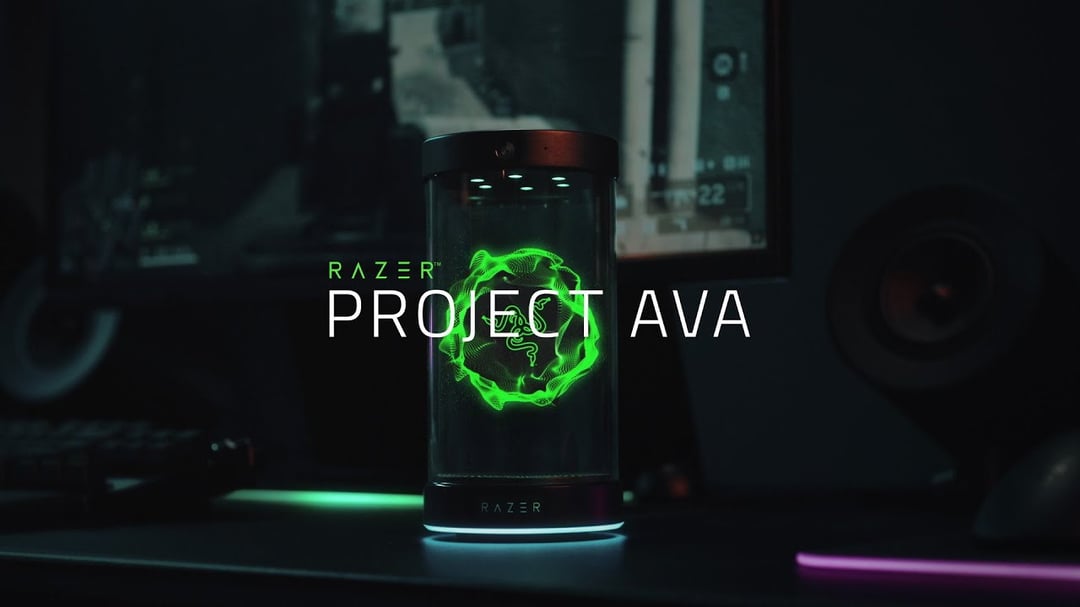
Originally introduced as Project AVA, the concept was centered on gaming—specifically as a real-time esports coach and in-game helper. The idea was simple but ambitious: an AI assistant that could guide players, analyze performance, and offer support during gameplay.
But over time, that narrow focus expanded. What began as a gaming copilot is now being shaped into something broader—a digital companion capable of assisting beyond just competitive matches.
That evolution tells you something about Razer’s long-term vision. This isn’t about one feature. It’s about embedding AI deeper into the user’s digital environment.
Expanding Beyond Gaming Into Broader Task Assistance
Razer’s new version of AVA is positioned as more than a gaming assistant. The company is developing it into a system that can help with tasks outside of gameplay as well.
That shift matters. It moves AVA from a niche esports utility into the category of general-purpose AI companions. And once you step into that territory, expectations change. Users don’t just want tips—they want action. They want help that feels proactive.
Which leads to the core difference.
What “Fully Agentic” AI Means for Users
Moving Beyond Chatbots to Autonomous AI Agents
According to Quyen Quach, Razer’s VP of Software, this new iteration of AVA is designed to act more independently. Unlike traditional chatbots that wait for prompts and generate responses, AVA is built to perform actions.
That’s the distinction.
A chatbot answers. An agent does.
Quach described the system as “fully agentic,” meaning the AI can analyze situations, complete tasks, and interact with systems in ways that go beyond conversational replies. It’s meant to assist users proactively rather than passively.
So instead of simply offering advice when asked, AVA is being designed to assess context and take steps on the user’s behalf.
That’s a fundamental shift in how AI companions are positioned.
Proactive Task Completion and System Interaction
The new AVA isn’t limited to responding with text. It’s structured to interact with systems and execute actions.
This suggests a deeper level of integration with the user’s environment—whether that’s within games or across broader PC workflows. The ability to both analyze and act positions AVA as more than a digital assistant; it becomes an operational layer within the user experience.
And that’s where the industry is heading.
Razer’s AI Strategy and the Broader Industry Trend Toward Agentic Systems
Razer’s move mirrors a larger trend across the tech industry: the shift from simple AI chat interfaces to AI agents capable of performing real tasks.
The difference isn’t cosmetic. It’s structural.
Traditional AI interfaces revolve around prompts and replies. Agentic systems are built around goals and outcomes. They interpret situations, determine next steps, and execute.
By framing AVA as fully agentic, Razer is aligning itself with that broader transformation. It’s not just enhancing a feature—it’s repositioning its AI roadmap around autonomy and action.
Running AVA locally and in the cloud reinforces that strategy. It creates flexibility in deployment while signaling that Razer sees AI as a core layer of its ecosystem, not just an experimental add-on.
For gamers and creators, that means AI assistance designed to participate—not just converse.