
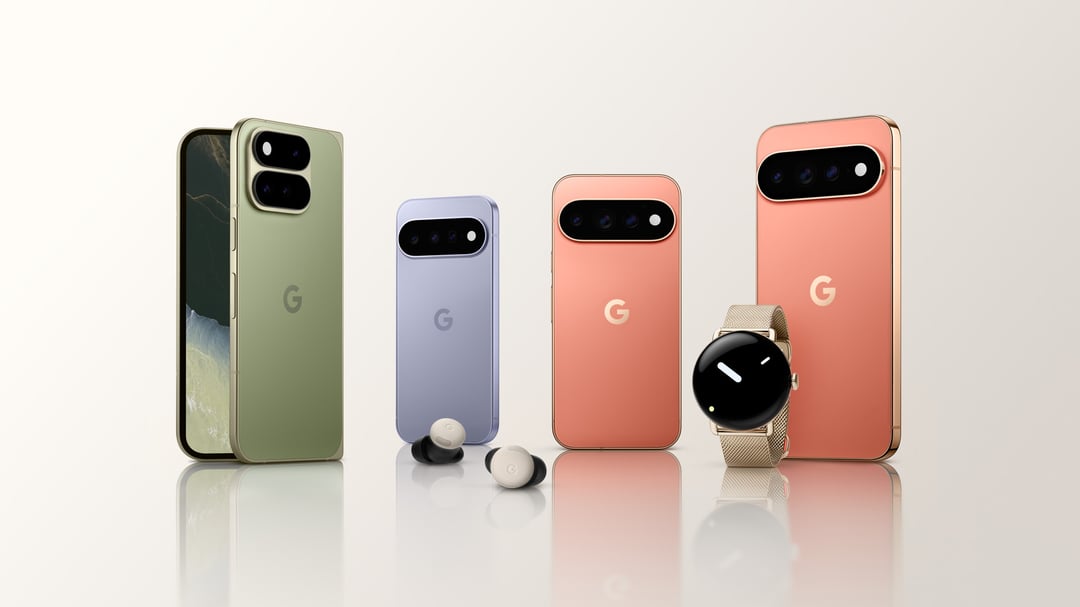
The Pixel 11 series introduces a camera-based sign-to-text feature designed to support face-to-face communication between deaf or hard-of-hearing users and people who do not know sign language. Rather than pausing a conversation to type a reply, users can sign naturally while the phone converts their signing into text.
The feature is powered by Google DeepMind’s sign-language-to-text model, known as SL2T. At launch, it supports translations from American Sign Language (ASL) to English on Pixel 11 series devices.
How Pixel 11 Converts Sign Language Into Text
Pixel Camera captures a user’s signing and sends it through the SL2T model for translation. The resulting text can be entered through Gboard in places where someone would usually type.
This means a user can sign a response and turn it into text for:
- Web searches
- Messages
- Documents
- Gemini queries
Google describes the goal as making the phone useful in spontaneous, in-person conversations. Instead of functioning only as a listening tool, the Pixel 11 feature is intended to help support a more natural two-way exchange.
SL2T Sign Language-to-Text Model
SL2T is a new AI model from Google DeepMind built for sign language translation. Google says it was trained using more than 100,000 hours of data spanning more than 50 sign languages.
Sign language translation is not the same as speech translation. Sign languages have their own grammar and vocabulary, rather than following a direct word-for-word relationship with spoken languages. Google DeepMind says its work with SL2T represents the first time sign language AI at this scale has reached a consumer product.
Google also says the model performed better than previous systems on a standard sign language translation benchmark. However, the company has not released performance data for less controlled situations, including poor lighting or fast, casual conversations.
Privacy Approach for Pixel 11 Sign-to-Text
The Pixel 11 system is designed to avoid sending raw camera video for translation. It identifies location points on the signer’s body directly on the device, then sends only those coordinates to Google’s servers.
Afterward, the original camera feed is discarded.
This approach is intended to support sign language translation while limiting the handling of raw video data.
Support for Different Signing Styles
Google DeepMind says it tested the model with left-handed signers and with one-handed signing. One-handed signing can be relevant when a person is holding the phone in their other hand.
The company notes that left-handed signers account for about 10% of users. Testing across these conditions reflects an effort to account for how signing can vary during everyday phone use.
Pixel 11 ASL-to-English Availability
The feature launches with American Sign Language-to-English translation for the Pixel 11 series. Google says it plans to add more languages and extend support to additional devices in the future.
How well the feature works during quick, everyday conversations remains an open question. Its practical value will depend on how it performs beyond the benchmark conditions Google has shared.