
What Workspace Agents Actually Are
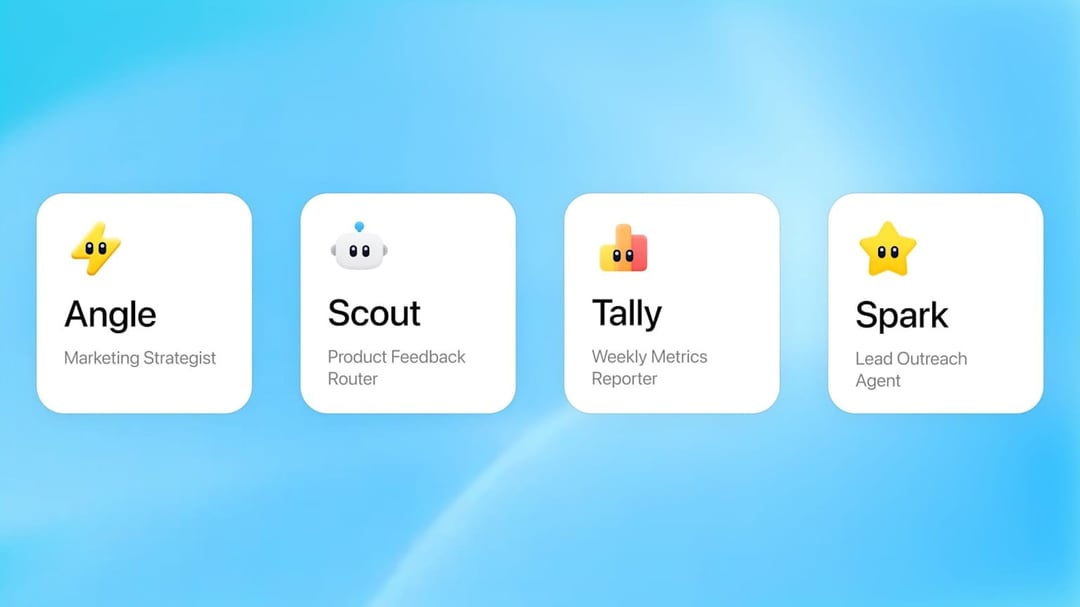
So OpenAI just quietly dropped something that could change how a lot of teams work. They're calling them workspace agents — cloud-based AI tools built to handle complex, multi-step workflows across an entire organization. Not just one person's workflow. The whole team's.
They run on Codex, OpenAI's underlying technology, and they're available right now as a research preview for ChatGPT Business, Enterprise, Edu, and Teachers plans. Think of them as a serious upgrade to the custom GPTs OpenAI introduced last year — same basic idea, but with a lot more horsepower and persistence behind them.
Here's the key difference: these agents live in the cloud and keep working even when you're not online. You close your laptop, the agent keeps going. That's a genuinely different kind of tool.
Why This Is Bigger Than It Sounds
Custom GPTs were useful, but they had real limits. They were mostly one-person tools — you'd build one, use it, maybe share a link. Workspace agents are built to operate at the organizational level. Teams can build a single agent, share it across the whole company, and refine it over time as needs change.
And what can these agents actually do? Quite a bit — prepare reports, write code, respond to messages, collect data from multiple systems, follow team protocols, seek approvals when needed, and maintain consistency across tools. They work across ChatGPT and Slack, which honestly covers a huge chunk of where knowledge work actually happens.
For organizations on Enterprise and Edu plans, administrators can control which tools and actions are available to different user groups. There's also a Compliance API for monitoring agent configurations and operations — which, if you're in a regulated industry, is the kind of thing that makes this feel actually usable rather than just theoretically interesting.
The Cloud-First Design Changes Everything
The fact that these agents run continuously in the cloud isn't just a convenience feature — it's the whole point. A team can build an agent once and let it handle long-running workflows without anyone having to babysit a chat window. That's a fundamentally different relationship with AI tooling than most teams have had so far.
The Pricing Window (And What Comes After)
Here's something worth knowing if you're on one of the eligible plans: workspace agents are free until May 6, 2026. After that, OpenAI moves to credit-based pricing. So if you want to experiment without worrying about the bill, the window is open right now — but it won't be open long.
OpenAI has also said they're planning to roll out automatic triggers, better dashboards, and broader integrations with business tools. And eventually, users will be able to convert their existing custom GPTs directly into workspace agents. So if your team already built something useful with custom GPTs, you won't necessarily have to start from scratch.
Where This Fits in OpenAI's Bigger Strategy
This launch didn't come out of nowhere. OpenAI has been aggressively building out Codex's capabilities for weeks. A major update in mid-April — branded "Codex for (almost) everything" — added computer use on macOS, an in-app browser, image generation, persistent memory, and more than 90 plugins spanning tools like Jira, Microsoft 365, Notion, and HubSpot.
Earlier in April, OpenAI also introduced pay-as-you-go pricing for Codex-only seats on Business and Enterprise plans, deliberately lowering the barrier for teams to try the technology before committing. That's a smart on-ramp strategy — get teams hooked on individual Codex features, then give them the agent layer to tie it all together.
OpenAI has been pretty explicit that enterprise adoption of agentic AI is central to where the company is headed. The workspace agents launch fits squarely into that vision — less "AI as a chat tool," more "AI as an operational layer running inside your organization."