
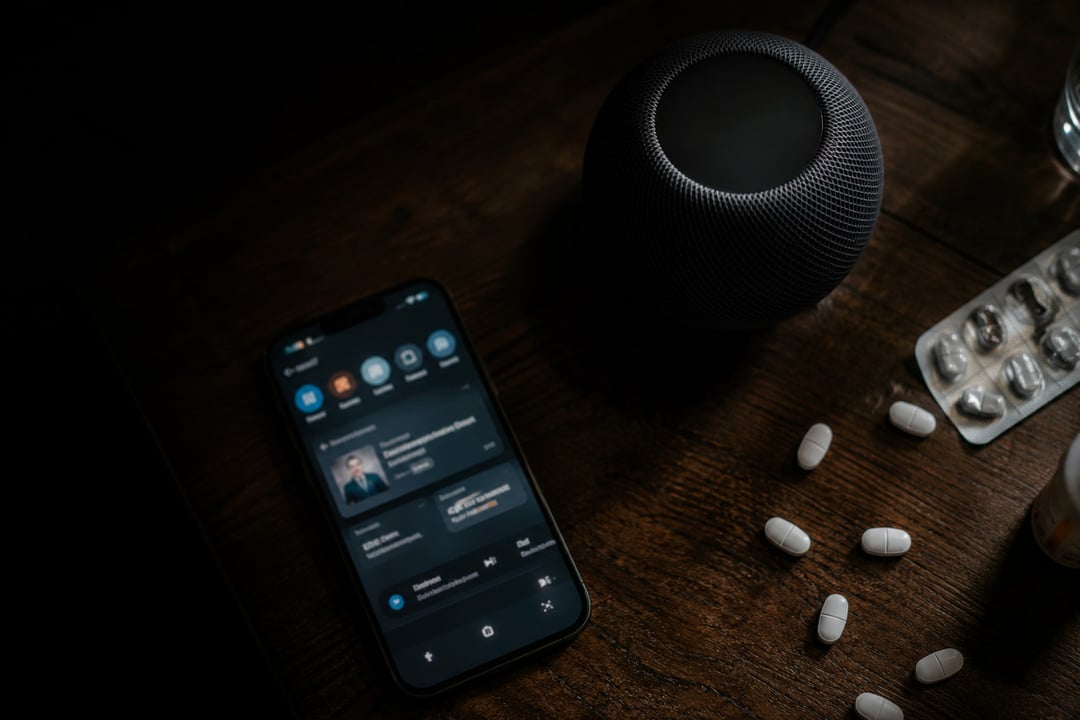
A Speaker Shaped Like a Doughnut
OpenAI's long-rumored hardware project, built with former Apple designer Jony Ive's studio LoveFrom, has taken shape as a smart speaker about the size of a hockey puck and shaped like a doughnut. It runs on battery power rather than staying plugged in, so it can be moved from room to room. The housing uses metal construction meant to give it a higher-end feel, something buyers might expect given the price.
The speaker is meant to work much like existing smart speakers on the surface, but the idea is for it to serve as a physical stand-in for ChatGPT itself rather than just another voice assistant.
Moving Parts and Sensors
The device includes moving components described as giving it personality, along with lights that turn on when it's listening. It's also expected to carry cameras and other sensors so the AI can take in visual information from its surroundings, not just audio.
On the software side, the plan is for the speaker to run AI models capable of open-ended conversation, learning about the people who use it so it can adjust its responses over time.
Price and Launch Timeline
The speaker is expected to cost between $300 and $400. According to Bloomberg, OpenAI is aiming for a 2027 launch.
How the Project Got Here
The device traces back to OpenAI's acquisition of Ive's AI hardware startup, io, in a $6.5 billion deal announced last year. By November, OpenAI had reportedly finished its first working prototype. Sam Altman described the screenless device at the time as "simple, beautiful, and playful." Earlier reporting also indicated the prototype's cameras and microphones would give it spatial awareness, letting it respond based on its surroundings.
Apple's Trade Secrets Claim
Apple has brought the device into a trade secrets lawsuit, claiming OpenAI misled one of Apple's manufacturing partners into carrying out a confidential metal-finishing process by falsely implying Apple had signed off on it. OpenAI has said in response that it's building something entirely separate from anything Apple makes.
Not OpenAI's Only Hardware Bet
The doughnut speaker fits into a broader hardware push. Reports in January pointed to a pair of AI earbuds under the codename Sweetpea, though later court filings indicated the Ive-designed device isn't a wearable or an in-ear product. OpenAI has already shipped the Codex Micro, a $230 keypad built to control its Codex coding agent. Bloomberg reports the speaker is meant to be the first of several devices, with OpenAI eventually aiming to build hardware that could replace smartphones.