
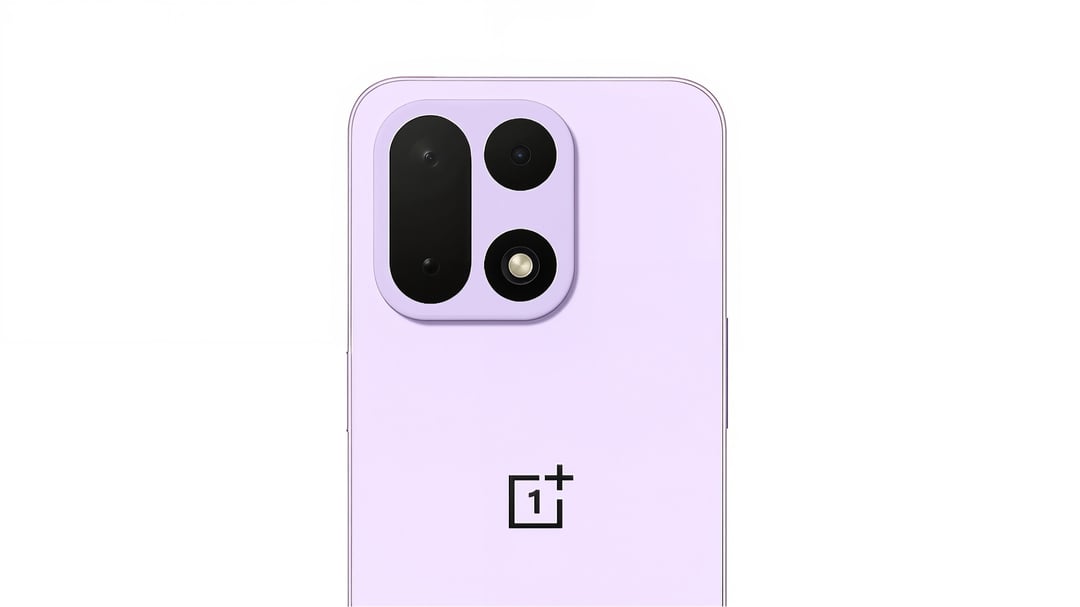
Rising Memory Chip Costs Are Driving Smartphone Price Increases
OnePlus and Oppo are increasing prices on some existing smartphone models as memory and storage component costs continue to rise. The move reflects mounting pressure across the global smartphone supply chain, where manufacturers are grappling with higher expenses for critical components.
According to reports citing GizmoChina and a notice posted on Oppo’s China online store, the price increases are set to begin soon and will affect select devices. The companies have not publicly detailed the exact models or the full scope of adjustments, but the underlying cause is clear: memory costs are climbing, and manufacturers are feeling the strain.
AI Data Center Demand Is Reshaping the Memory Market
High-Performance Memory for AI Is Tightening Supply
A major driver behind the rising costs is surging demand for high-performance memory used in artificial intelligence data centers. As tech companies rapidly expand AI infrastructure, they require vast amounts of advanced memory and storage chips.
Manufacturers are increasingly shifting production toward higher-margin memory products designed for AI servers. While this strategy supports profitability in enterprise markets, it reduces the available supply for consumer electronics such as smartphones and laptops.
Consumer Electronics Face Component Constraints
When supply tightens and demand remains strong, prices rise. That’s the dynamic currently affecting smartphone brands. As memory manufacturers prioritize AI-focused production, smartphone makers must compete for a more limited pool of components.
This shift doesn’t impact only OnePlus and Oppo. The pressure extends across the broader smartphone industry, suggesting that similar pricing adjustments may emerge from other brands if the trend continues.
Impact on Smartphone Pricing Strategies
Higher Manufacturing Costs Force Difficult Decisions
Memory and storage chips represent a significant portion of a smartphone’s overall bill of materials. As these costs increase, manufacturers are left with limited options:
- Raise retail prices
- Adjust device specifications
- Absorb reduced profit margins
OnePlus and Oppo have chosen to pass part of the increased cost to consumers through price adjustments. If component costs continue to climb throughout the year, more brands may follow suit.
Potential Specification Adjustments
If raising prices proves challenging in competitive markets, manufacturers could alter device specifications instead. That may include reducing memory configurations or modifying storage options to balance production expenses without dramatically increasing retail prices.
Such decisions often reflect broader market conditions rather than brand-specific strategies. When component pricing volatility persists, product roadmaps can shift quickly.
Broader Smartphone Industry Implications
The rising cost of memory underscores growing supply chain vulnerabilities in the tech industry. As demand from AI infrastructure accelerates, consumer device manufacturers may face ongoing pricing instability.
For consumers, this could mean:
- Fewer aggressive discounts on midrange devices
- Gradual price increases on existing models
- Adjustments to storage and RAM configurations
While the immediate impact centers on select OnePlus and Oppo models, the underlying market forces suggest a wider industry ripple effect.