
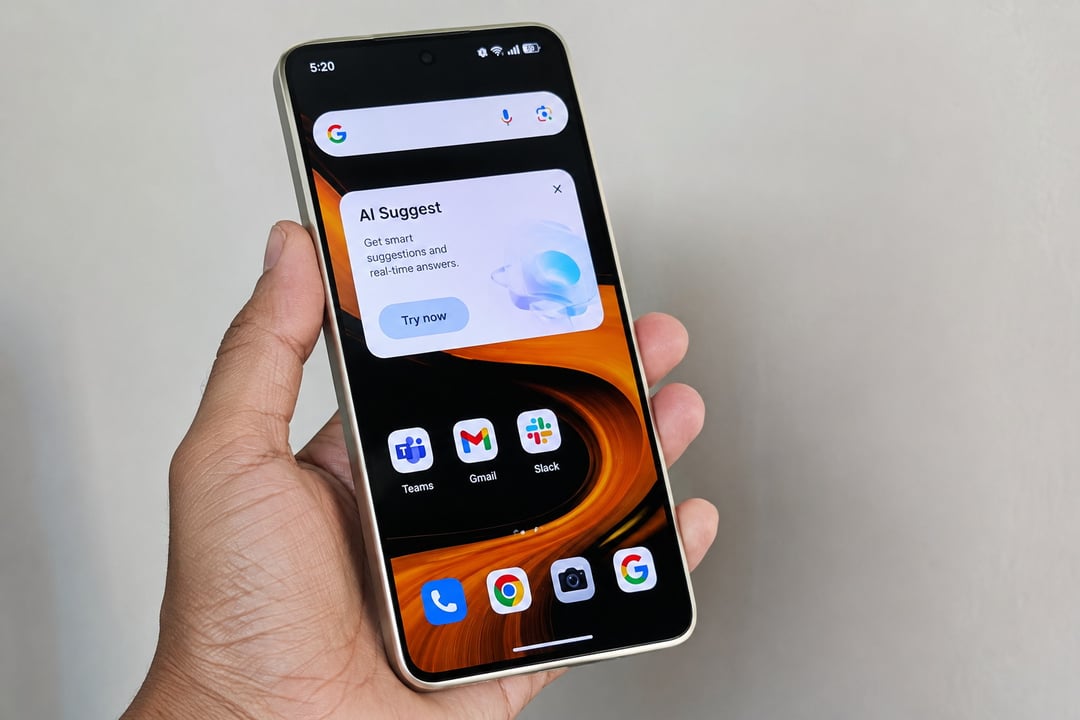
A new leak suggests the OnePlus 16 could arrive with a redesigned display built around a new X4 light-emitting material developed jointly by OnePlus and BOE. The panel is rumored to use less power, last twice as long as the X3 display material used in the OnePlus 15, and feature slimmer bezels on every side.
The OnePlus 16 display is also expected to keep a flat design rather than use curved edges. That combination—lower claimed power use, longer panel life, thinner borders, and a flat screen—could make the display one of the phone’s most discussed upgrades if the reported details prove accurate.
OnePlus 16 X4 Display Material Could Improve Power Use and Lifespan
The reported X4 light-emitting material is said to be a new display component created through work between OnePlus and BOE. According to the leak, it may consume substantially less power than the X3 panel material used in the OnePlus 15.
The same report claims the new display could last twice as long as the earlier X3 panel. No supporting measurements were provided, so the exact extent of the expected power savings and durability improvement remains unclear.
Still, the claim points to a display-focused upgrade rather than a simple specification bump. Phone screens are used constantly, and lower power consumption could matter just as much as visible improvements if the information is confirmed.
Leak Claims OnePlus 16 Screen Could Surpass Samsung M-Series Panels
The leak goes further by claiming that the OnePlus 16’s X4 panel could outperform Samsung’s M-series displays across nearly every major measurement.
That is a substantial claim, particularly because key specifications have not been shared. There are currently no confirmed figures for the OnePlus 16’s resolution, peak brightness, or final refresh rate beyond one detail confirmed by OnePlus China president Li Jie.
The OnePlus 16 is expected to retain a 185Hz refresh rate. This matches the information available so far, but it does not confirm how the display will compare with Samsung panels in real-world use.
Until more technical details emerge, any comparison with Samsung’s M-series screens should be treated as an early claim rather than a settled result.
Flat Screen and Thinner OnePlus 16 Bezels
The OnePlus 16 may continue with a flat display design. The leak says the screen will not curve around the edges, while the bezels are expected to become narrower on all four sides.
A flat panel would keep the design direction suggested for the device, while thinner borders could change how much of the phone’s front is occupied by the screen. No final images or dimensions have been provided, so the exact bezel size is still unknown.
The phone is also rumored to use a 6.78-inch display, matching the size of the OnePlus 15.
Gaming Features Expected to Return on the OnePlus 16
Beyond the 185Hz refresh rate, the OnePlus 16 is expected to carry over two gaming-related features from the OnePlus 15:
- Fengchi gaming engine
- E-sports triple core technology
The available information does not explain whether either feature will change for the OnePlus 16. For now, they are expected to return alongside the rumored display upgrades.
Other Rumored OnePlus 16 Specifications
The OnePlus 16 has reportedly received SRRC certification in China under model number PYB110. Digital Chat Station believes the certification is for the OnePlus 16, and phones often launch soon after reaching this stage.
Other rumored OnePlus 16 specifications include:
- A 6.78-inch display
- A 9,000mAh battery
- Snapdragon 8 Elite Gen 6 Pro chip
- LPDDR6 RAM
- A 200MP camera
- A larger camera bump than the OnePlus 15
The reported camera change would move from the OnePlus 15’s 50MP camera to a rumored 200MP camera on the new model. These specifications remain unconfirmed.
Rumored OnePlus 16 Price and Availability
The OnePlus 16 with 12GB of RAM and 256GB of storage is expected to start above $800.
A launch in Western markets appears unlikely based on the available information. OnePlus has already exited North American and European markets, and a global launch does not currently look likely.