
Why Netflix Is Rethinking Its On-Demand Model
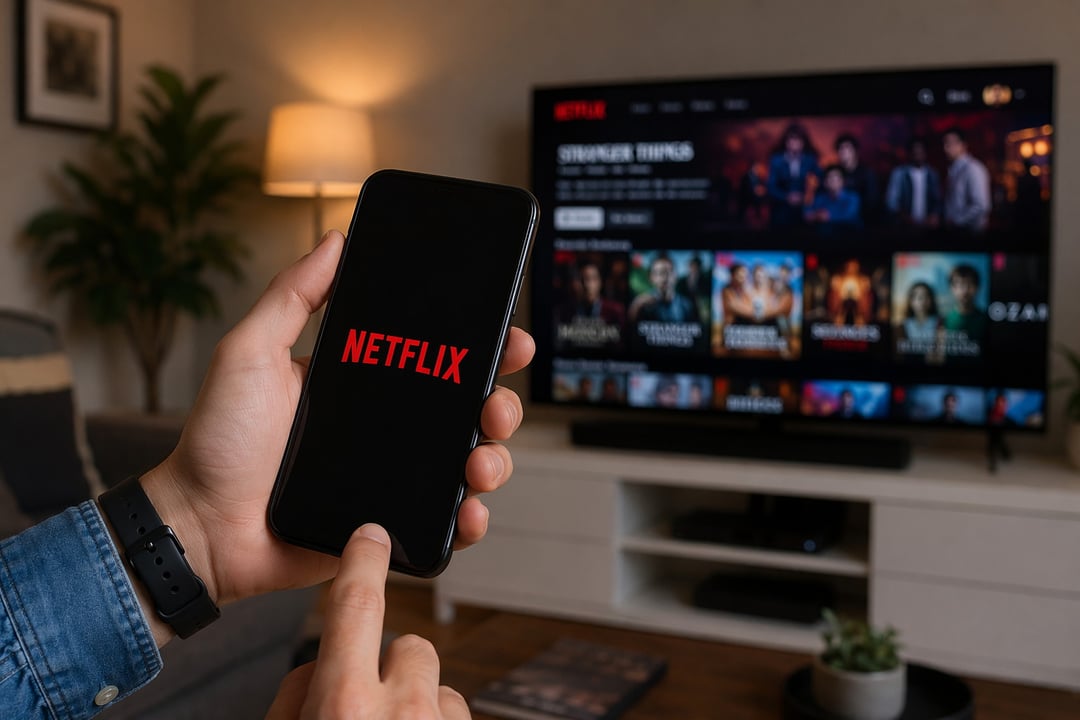
Netflix executives are in active discussions about adding live television-style channels and bundling third-party streaming services into the platform. The talks come as the company grapples with declining viewer engagement on some of its most prominent original series. The move would mark a significant departure from Netflix's long-standing identity as a purely on-demand streaming service, introducing continuous live channels reminiscent of traditional cable television alongside packages that fold in other subscription services.
The Sophomore Slump Hurting Original Series
A key driver behind the strategic rethink is what industry observers are calling a "sophomore slump." Second seasons of Netflix's hit shows are drawing between 30% and 70% fewer viewers than their debut seasons did within the first four weeks of release. Shows that have experienced steep audience drop-offs in their follow-up seasons include Beef, The Night Agent, and Avatar: The Last Airbender.
Financial Pressure Behind the Strategic Shift
The engagement problems are compounding broader financial pressure on the company. Netflix shares have fallen roughly 40% over the past year amid slowing subscriber growth and a failed bid for Warner Bros. Discovery's studio assets. Adding to the strain, Netflix raised prices earlier this year, pushing its standard plan to $19.99 per month.
Building on an Existing Live Programming Push
A live-channel expansion wouldn't be entirely new territory for Netflix. Since March 2023, the company has streamed more than 200 distinct live events, including weekly WWE programming under a 10-year deal valued at more than $5 billion. Still, Netflix appears to be drawing a line around traditional sports rights. Co-CEO Ted Sarandos said in May that the company isn't chasing full-season sports packages, telling Fox Business Network that Netflix isn't bidding on whole seasons of sports, including the NFL.
How Bundling Could Reshape the Streaming Landscape
A bundling strategy would put Netflix in line with rivals that have already embraced packaging as a growth lever. Disney and Warner Bros. Discovery launched a combined streaming bundle in 2024, and wireless carriers such as T-Mobile have long included Netflix subscriptions as part of their service plans. If Netflix moves forward, it would be joining a trend it has so far stayed outside of.
What This Means for Netflix's Future
Whether Netflix actually launches live channels or service bundles is still uncertain — the reporting reflects internal deliberations, not confirmed plans. But the fact that these conversations are happening at all is notable. The company that pioneered binge-watching now appears to see its core on-demand model as insufficient on its own to retain audiences in an increasingly fragmented streaming landscape.