
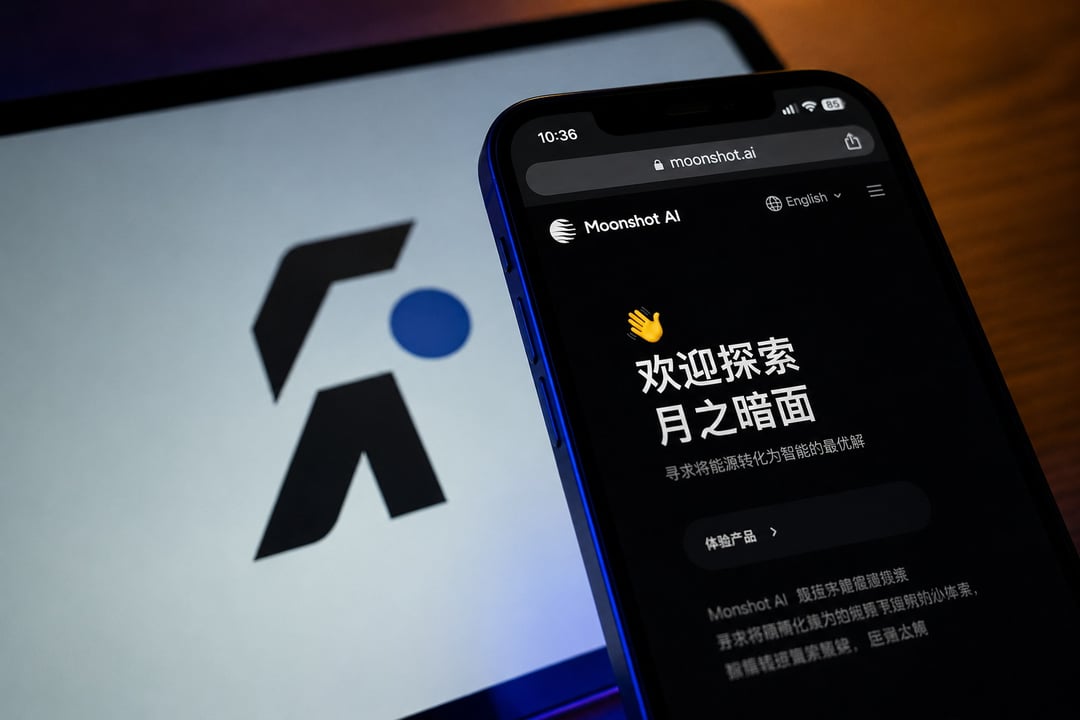
China’s Moonshot AI is in talks with Microsoft, Amazon, and Alphabet’s Google about revenue-sharing arrangements that could allow the U.S. cloud companies to host its Kimi K3 model.
Reuters reported that the discussions involve potential hosting through Microsoft Azure, Amazon Web Services, and Google Cloud. The talks are private and remain at an early stage, with no indication that agreements have been finalized.
Proposed Revenue Sharing for Kimi K3 Cloud Services
Moonshot AI is seeking as much as a 30% share of revenue generated by K3-related services on Azure, AWS, and Google Cloud, according to people familiar with the discussions.
That proposed share is consistent with terms Moonshot has outlined for large customers using the open-weight model. Still, several parts of a potential deal have not been settled, including:
- How revenue would be divided
- Data access
- Auditing of token usage
Tokens are units of text processed by AI models and are used as the basis for usage-based billing. How cloud platforms track and audit token use is therefore part of the commercial discussion.
Moonshot AI did not respond to a request for comment. Microsoft, Google, and AWS declined to comment.
Why the Kimi K3 Talks Matter
A completed agreement could become the first major revenue-sharing arrangement between a Chinese AI company and a U.S. cloud provider.
The discussions come as Chinese AI models gain interest in American markets. At the same time, Moonshot’s negotiations are taking place amid national security concerns in Washington and public criticism from U.S. officials.
For Moonshot, cloud distribution could provide a route for enterprises to access Kimi K3 without operating the model on their own systems. The model’s size makes independent deployment costly for many customers, which puts large cloud providers at the center of possible enterprise adoption.
Kimi K3 Model Scale and Market Position
Kimi K3 was released in July and has approximately 2.8 trillion parameters. It has produced strong results in third-party evaluations and has shown performance comparable to leading Western models in tests of complex, multi-step tasks.
Running a system at this scale requires substantial computing resources. Few customers are expected to operate Kimi K3 using their own infrastructure because of the associated computing costs.
That makes services from Microsoft Azure, Amazon Web Services, and Google Cloud a possible delivery route for organizations that want to use the model. The proposed revenue-sharing framework would determine how Moonshot and the cloud provider could divide income tied to those services.
U.S. Concerns Around Moonshot AI
The negotiations are happening despite comments from senior U.S. officials and allegations involving Moonshot AI.
Treasury Secretary Scott Bessent said last month that he might add Moonshot to a trade blacklist. U.S. officials have also accused the Beijing-based company of stealing from Anthropic’s most sophisticated model to help develop Kimi K3 and of illegally obtaining Nvidia chips.
Moonshot has rejected suggestions that Kimi K3’s performance came from distillation. The company said its improvements resulted from original changes to the model’s underlying architecture.
These issues remain part of the backdrop as Moonshot explores commercial arrangements with major U.S. cloud companies.
Moonshot AI’s Funding and Listing Plans
Moonshot was founded in 2023 by Carnegie Mellon-trained researcher Yang Zhilin and is backed by Alibaba.
The company raised more than $2 billion in May and is preparing for a potential Hong Kong listing. Its reported discussions with Microsoft, Amazon, and Google are separate from Alibaba’s own reported effort to pursue revenue-sharing agreements with major users of its open-source AI model.
What Could Happen Next
There is no certainty that Moonshot AI, Microsoft, Amazon, or Google will reach an agreement. The negotiations are still in their early stages, and the companies have not publicly detailed terms, timelines, or possible service availability.
The unresolved questions around revenue allocation, data access, and token-usage auditing will shape whether the discussions move forward. Any agreement would also unfold amid ongoing U.S. scrutiny of Chinese AI companies and models.