The Legal Battle Between Midjourney and Hollywood Studios
Midjourney, the AI image-generation startup, is locked in a legal dispute with three major Hollywood studios — Disney, Universal, and Warner Bros. — over allegations that its models produce unauthorized images of copyrighted characters. Disney and Universal filed suit first, pointing to Midjourney-generated depictions of recognizable figures like Bart Simpson and Darth Vader. Warner Bros. followed with its own lawsuit shortly after, raising similar claims involving characters such as Superman and Batman.
Midjourney's defense rests on the argument that training its AI models on images of copyrighted characters falls within the protections of fair use.
What the Discovery Dispute Is About
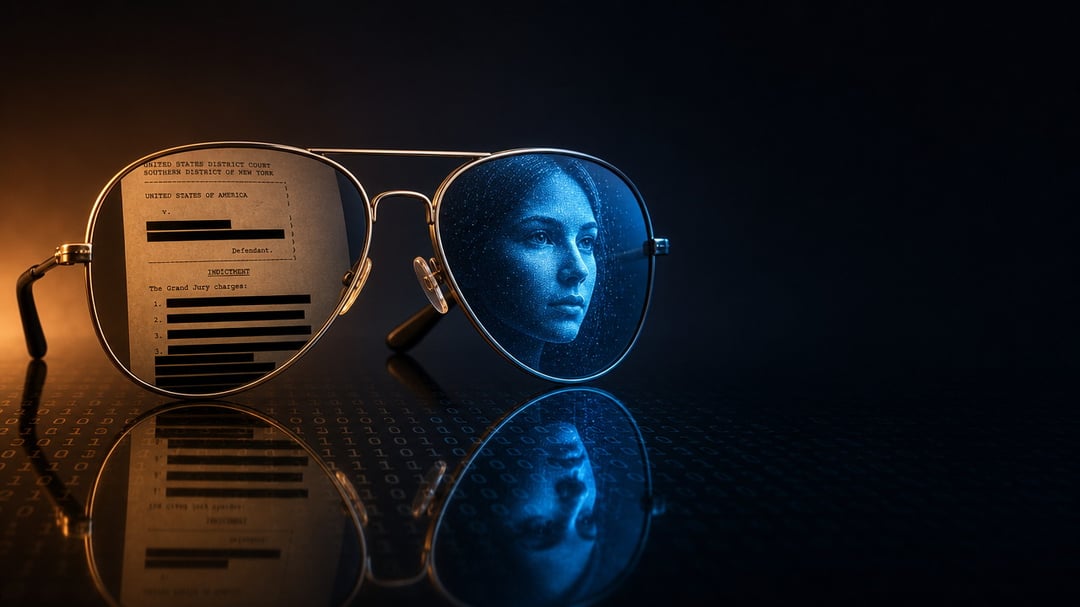
At the center of the current conflict is a narrower question: what documentation the studios must hand over during discovery. A judge had already ruled that the studios are required to share details about their generative AI usage, but with a meaningful catch — they only need to disclose AI use when it results in "consumer-facing" videos and images.
Midjourney wants that limitation removed.
Midjourney's Latest Filing
In its most recent court filing, Midjourney argues that restricting the disclosure to consumer-facing outputs "unfairly" allows the studios "to cherry-pick only those documents they believe support their market harm claims while depriving Midjourney of documents that would support its defenses."
The startup goes further, suggesting that the studios may be doing privately exactly what they are suing Midjourney for doing publicly. The withheld documents, Midjourney contends, "are precisely those that would reveal whether, behind closed doors, they are doing exactly what they are suing Midjourney for doing."
The Internal-Use Argument
Midjourney lays out a specific scenario to bolster its case. If the studios are building their own image-generating AI models for internal purposes — say, storyboarding or developing content ideas for film and television — that kind of evidence would show that downloading and training AI on unlicensed copyrighted content is a widespread industry practice, one that the studios themselves engage in.
In other words, Midjourney is trying to establish that what it's doing isn't outside the norm — it's what the studios do too, just behind a different door.
Demanding Full Prompt and Output Records
The filing also pushes for broader disclosure of how the studios have interacted with Midjourney itself. Midjourney argues that the studios should be required to reveal every prompt they entered into its platform along with the resulting images — not only the prompts that produced the allegedly infringing outputs.
This matters because the full record could reveal patterns or context that narrow, hand-selected examples would obscure.
How the Studios Are Responding
The studios' lead attorney, David Singer, has pushed back against Midjourney's requests, calling the effort a "fishing expedition."
Singer has also worked to frame the studios' position as measured rather than anti-technology. He stated that the studios "do not seek to stop AI technology or even shut down Midjourney's business." Instead, he said, they "simply want Midjourney to stop copying their movies and TV shows and to stop distributing, publicly displaying, publicly performing, and creating derivative works that include copies of [their] famous characters without authorization."
Why This Case Is Important for AI and Copyright
The discovery fight may seem procedural, but it touches on a tension that runs through the broader debate over AI and intellectual property. If the studios are using unlicensed copyrighted material to train their own internal AI tools, that fact could undercut the moral and legal force of their infringement claims against Midjourney. It could also point to an emerging industry norm — one where training on copyrighted content without explicit licensing is common practice, even among the companies now crying foul.
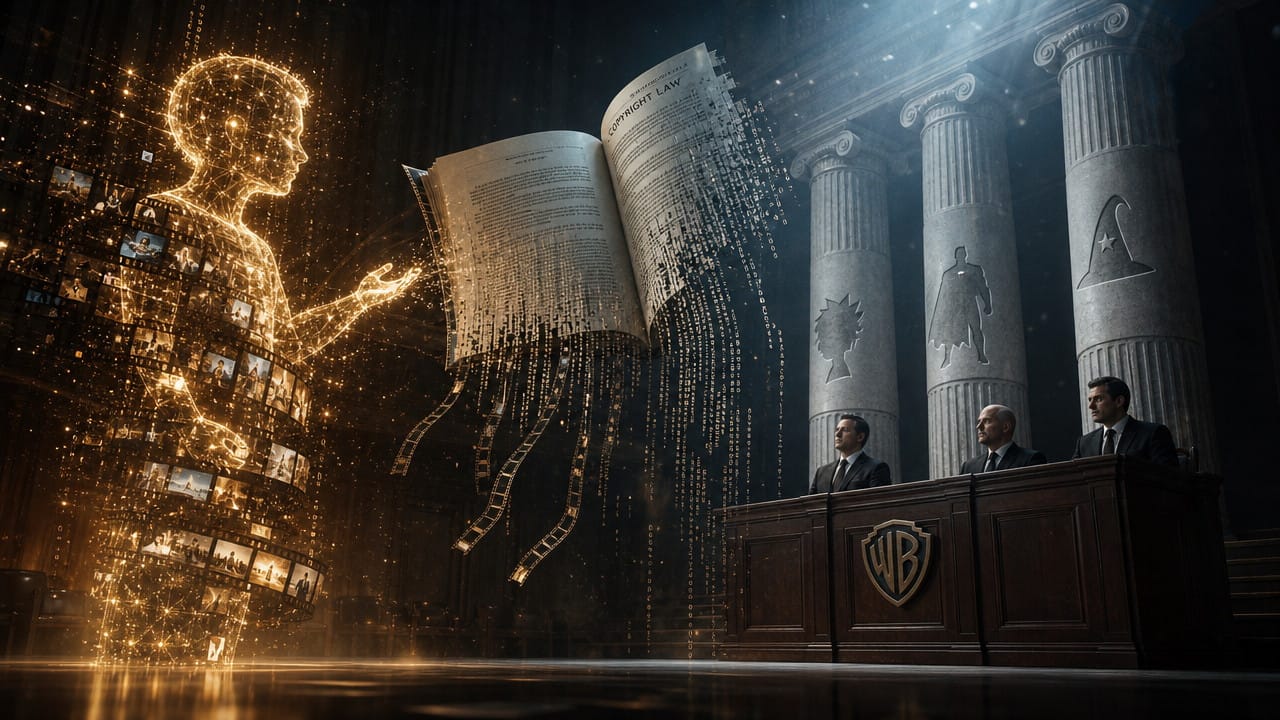
At the same time, the studios' position isn't that AI shouldn't exist. Their argument is narrower: that Midjourney is distributing and publicly displaying unauthorized copies of their characters. How broadly the court interprets the discovery obligations could shape not just this case, but the evidentiary standards in future AI copyright litigation.
Frequently Asked Questions
What is Midjourney asking the Hollywood studios to disclose?
Midjourney is seeking to compel Disney, Universal, and Warner Bros. to produce documentation of all their generative AI usage — not just cases where AI-generated content became consumer-facing. The startup also wants the studios to reveal every prompt they entered into Midjourney and the resulting outputs, rather than only the prompts that led to allegedly infringing images.
Why does Midjourney say the studios' own AI use is relevant?
Midjourney argues that if the studios are training their own AI models on unlicensed copyrighted content for internal purposes like storyboarding or content ideation, that would demonstrate an industry custom of doing exactly what the studios are suing Midjourney for. The startup contends the studios may be withholding documents that would support this defense.
How have the studios responded to Midjourney's discovery requests?
The studios' lead attorney, David Singer, characterized Midjourney's document requests as a "fishing expedition." He emphasized that the studios aren't trying to stop AI technology or shut down Midjourney's business, but rather want the company to stop copying their movies and TV shows and distributing unauthorized images of their famous characters.