
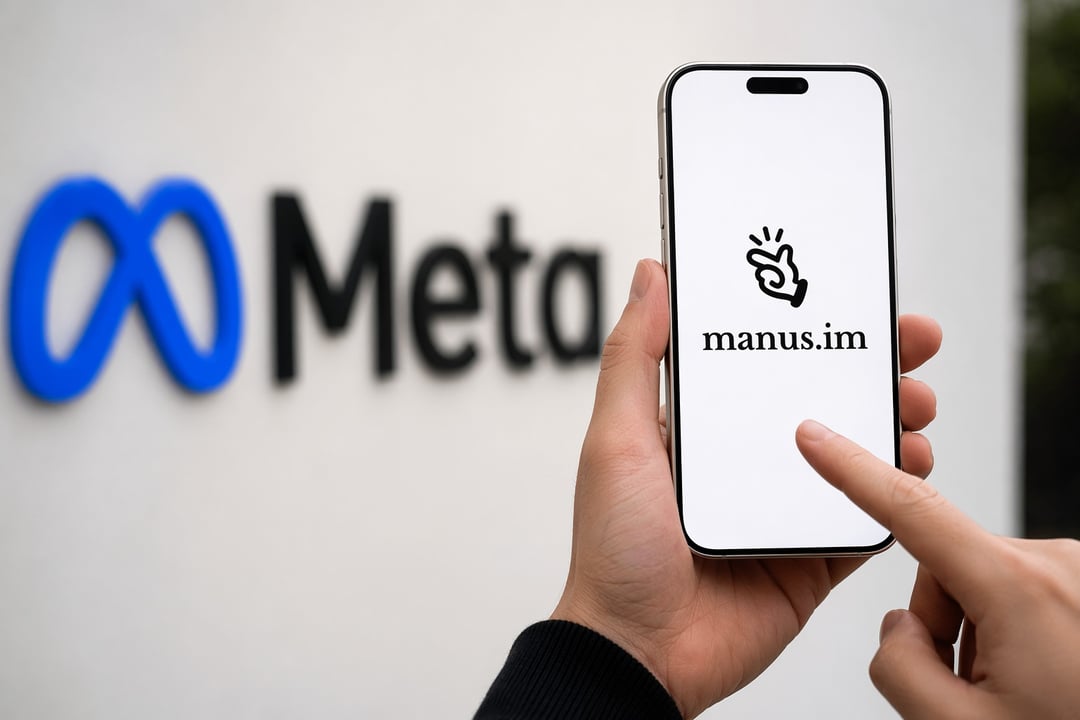
Meta Severs Data Ties With the AI Startup
Meta Platforms has finished an operational split from Manus, the Chinese-founded AI startup, shutting down all data sharing and locking the startup's staff out of its internal systems since the start of June. The move is the clearest sign yet that Meta is dismantling its roughly $2 billion purchase of the company — a deal Beijing ordered reversed back in April. An internal memo tells Meta employees to move any existing Manus projects onto Meta's own systems and to stop launching new work on the platform. In the memo's own framing, Meta is "sunsetting" Manus.
A Firewall Between the Two Companies
Meta has effectively built a data firewall between itself and the Singapore-based agentic AI service. Its employees can no longer tap Manus tools for internal projects, and Manus personnel have lost their access to Meta's data systems. The separation handles the technical entanglement, but it isn't airtight. Some Manus features — including connections to Meta's Ads Manager and Instagram — reportedly remain switched on, which raises a fair question about how complete this split really is right now.
How the Acquisition Came Undone
Meta announced the Manus acquisition in late December 2025, with the goal of weaving the startup's autonomous AI agent technology across its platforms. Then the scrutiny started. China's Ministry of Commerce opened a review of the deal in January 2026. By late April, the National Development and Reform Commission went further, issuing a rare order that blocked foreign investment in Manus and directed both sides to reverse the transaction.
That ruling caught investors off guard — especially because Manus had already relocated from China to Singapore before the agreement was finalized. Meta said at the time that the transaction "complied fully with applicable law," and signaled it still hoped for a resolution.
Manus Founders Look for a Way Out
Manus's co-founders — Xiao Hong, Ji Yichao, and Zhang Tao — are weighing options to satisfy Beijing's demand. One path under consideration is raising about $1 billion from outside investors to fund a buyback of the company.
The Money Question Nobody Has Answered
Here's the hard part. Reversing a completed acquisition — one where investors have already been paid — is financially messy, and the mechanics of doing it remain unresolved. This week's operational split tackles the technical tangle between the two companies, but it leaves the bigger questions of ownership and compensation wide open.
What the Retreat Signals for Cross-Border Tech Deals
The whole episode has put a chill over cross-border technology deals tied to Chinese-founded startups. Beijing has shown it's willing to extend its reach even to companies that have moved offshore — a signal that relocating out of the country may not be enough to keep a deal beyond its grasp.