
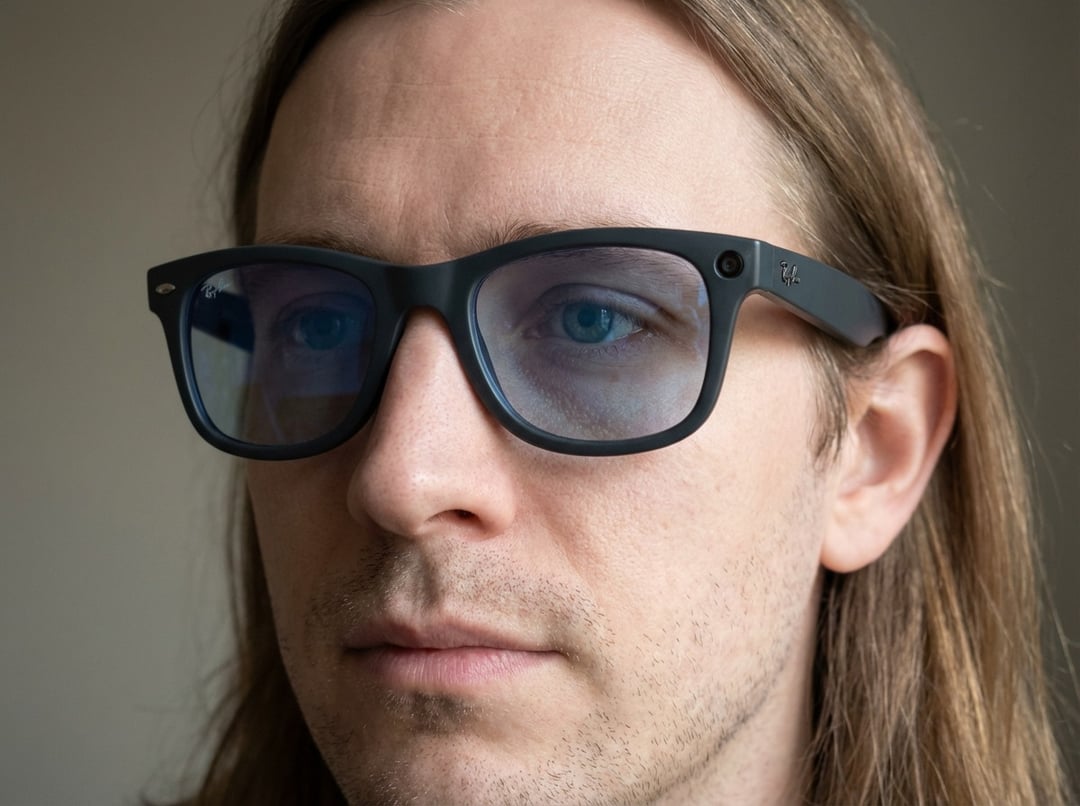
Civil Rights Groups Push Back on Meta’s Reported Face Recognition Feature
A coalition of more than 70 organizations focused on civil liberties, domestic violence, reproductive rights, and LGBTQ+ issues has urged Meta to scrap a rumored facial recognition feature for its Meta Ray-Ban smart glasses before it reaches consumers.
The concern centers on a reported feature called Name Tag. It would let someone wearing the glasses point them at a stranger and pull up information about that person through Meta’s AI assistant. Engineers are reportedly considering two versions: one that identifies people already connected to the wearer through Meta platforms, and another that could recognize anyone with a public Facebook or Instagram account.
For critics, that possibility crosses a line. The central argument is simple: people in public would have no real way to consent to being identified by someone else’s glasses.
How the Reported Name Tag Feature Would Work
Pointing Smart Glasses at a Stranger
The reported system would turn the glasses into a tool for identifying people on sight. A wearer could look at someone, and the device could return information tied to that person’s Meta presence.
That changes the role of smart glasses in a big way. Instead of just capturing images or supporting an AI assistant, the device could become a live identification layer for everyday interactions.
Two Reported Versions Under Consideration
According to the reporting referenced in the piece, Meta engineers have weighed two possible approaches:
- A version limited to people already connected on Meta platforms
- A broader version that could identify anyone with a public Facebook or Instagram account
That distinction matters, but it does not ease the broader privacy concern raised by advocacy groups. In their view, even the narrower version still identifies people without their permission.
Why Privacy Advocates Say the Feature Cannot Be Made Safe
No Meaningful Consent for Bystanders
The strongest objection is that bystanders would not be able to opt in or even know when identification is happening. Someone could simply be walking down the street, entering a room, or passing another person, while being scanned and identified without any direct notice.
That lack of consent is at the heart of the backlash.
Concerns About Abuse and Misuse
The coalition says the technology could be weaponized. It specifically warns about use by stalkers, abusers, and federal law enforcement agencies.
That makes the issue larger than convenience or product design. Critics are not framing this as a minor privacy tradeoff. They are describing it as a system that could expose vulnerable people to real harm.
Why Opt-Out Measures Are Not Enough
The organizations argue that no amount of design changes or opt-out tools can make the feature safe. Their position is that the problem is not just implementation. It is the basic idea of letting one person identify another person through smart glasses in public spaces.
In other words, the objection is structural, not cosmetic.
Why the Timing Has Drawn Extra Scrutiny
The Leaked Internal Memo
The report points to a leaked internal Meta memo from May 2025 that adds another layer to the controversy. The company reportedly noted plans to launch in a “dynamic political environment,” where civil society groups would have their attention pulled elsewhere.
That detail has fueled suspicion around the rollout strategy.
Why Critics See This as Especially Troubling
The coalition called that reported thinking “vile behavior.” And you can see why the reaction is so sharp. If a launch is timed for a moment when likely critics are distracted, the issue stops looking like ordinary product planning and starts looking calculated.
That is what makes the timing feel especially loaded in this case.
Meta Ray-Ban Glasses Were Already Under Privacy Pressure
Before this reported facial recognition feature entered the conversation, the glasses were already facing criticism. An investigation had revealed that the smart glasses were sending video recordings of users’ most personal moments for AI training.
That earlier privacy controversy matters because it changes how this new feature is being viewed. It is not landing in a vacuum. It is arriving on top of existing concerns about how the product handles sensitive user data.
For critics, that history makes the reported move feel less like an isolated experiment and more like part of a broader pattern.
Should Ray-Ban Meta Glasses Users Be Worried?
Existing Recording Capabilities Already Raise Questions
The current hardware can secretly record video. That alone creates tension around transparency and consent in public and private settings.
Facial Recognition Would Push the Risk Further
Adding facial recognition on top of covert recording would expand the concern from image capture to personal identification. That is a much more invasive step. It would mean the device is not only able to record what it sees, but also potentially connect faces to identities and account-based information.
That is why the backlash is so strong. Critics are not reacting to smart glasses in general. They are reacting to the idea that wearable cameras and AI identification could merge into a tool that recognizes people without their permission.
What This Debate Is Really About
At its core, this is a fight over whether wearable AI should be allowed to identify people in everyday life without their consent. The reported feature may sound like a technical upgrade, but the response shows that many groups see it as something else entirely: a direct threat to privacy, safety, and basic anonymity in public.
And that is the part that sticks. Not just smarter glasses, but glasses that know who you are.