
Meta AI’s Push Into AI-Powered Online Shopping
Meta is experimenting with a new feature that could turn its AI chatbot into a shopping assistant. And that’s not a small tweak. It’s a shift.
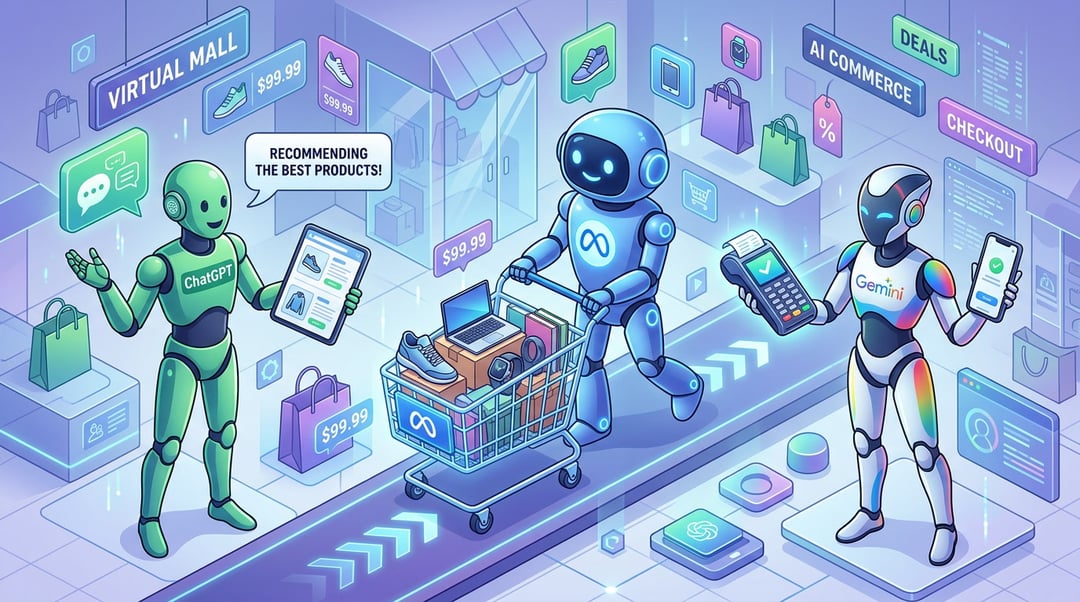
The idea is simple on the surface: instead of just answering questions, Meta AI could help you discover products and potentially guide you through the buying process. That puts it squarely in the same arena as ChatGPT and Google’s Gemini, both of which are already expanding into AI-driven shopping tools.
This move signals something bigger. AI chatbots aren’t just about writing emails or summarizing documents anymore. They’re becoming digital storefronts—places where browsing, comparing, and buying might all happen in a single conversation.
How Meta AI Compares to ChatGPT’s Shopping Research Tool
ChatGPT’s Integrated Product Discovery
OpenAI’s ChatGPT already offers a Shopping Research tool designed to help users find products. It goes beyond basic recommendations by guiding users through options, features, and comparisons.
That’s the new battleground: not just answering “What’s the best laptop?” but helping you sort through models, price points, and retailers in real time.
Retailer Integrations Expanding In-Chat Shopping
Both ChatGPT and Google’s Gemini are expanding in-chat shopping capabilities with retailer integrations like Walmart and Sam’s Club. That means users don’t just get suggestions—they’re connected directly to places where they can buy.
And once AI assistants can bridge that gap between advice and checkout, the experience changes. You’re not jumping between tabs. You’re staying in one conversation.
Meta stepping into this space isn’t random. It’s competitive positioning.
Google Gemini’s Universal Checkout Platform
In-Chat Checkout With Google Pay
Google is developing its own checkout system for Gemini. Its Universal Checkout Platform allows users to log into merchant sites or complete purchases using Google Pay directly from the AI interface.
That’s a big deal. Because once payments happen inside the chatbot, the AI stops being a helper and starts being a transaction hub.
Seamless Merchant Logins Inside AI Interfaces
Gemini’s approach focuses on reducing friction. Users can log into merchant sites directly from the chat, eliminating the need to navigate away.
Convenience is the real driver here. If buying becomes as easy as typing “Buy this,” adoption accelerates.
Meta entering this arena means it can’t just recommend products. It will need to think about how users move from discovery to payment.
Amazon Alexa+ and Microsoft Copilot Checkout
Conversational Shopping With Alexa+
Amazon’s Alexa+ now supports conversational shopping through partners like Expedia and Yelp. That shows how voice and AI interfaces are blending commerce with conversation.
Instead of scrolling through listings, users can ask, compare, and book within a natural dialogue.
Microsoft Testing Copilot Checkout
Microsoft is also testing Copilot Checkout, allowing users to shop and pay without leaving the chat window.
The pattern is clear: major AI platforms are racing to make chat-based commerce seamless.
Meta isn’t entering a quiet space. It’s entering a crowded, fast-moving one.
Will Meta AI Earn Commissions From Merchant Links?
Meta has not confirmed whether it earns commissions when users click on merchant links.
That detail matters. Monetization strategy shapes how recommendations work. If commissions are involved, questions about neutrality and ranking logic become central.
For users, transparency will be key. If AI becomes a shopping assistant, trust becomes currency.
And trust isn’t built by flashy features. It’s built by consistent, reliable recommendations.
How AI Shopping Assistants Compete with Each Other
Meta’s experimentation places it directly against ChatGPT, Gemini, Alexa+, and Copilot.
Each platform is working toward the same goal:
- Keep users inside the AI interface
- Reduce friction between discovery and checkout
- Integrate payments directly into chat
The companies that succeed will likely be those that blend convenience with credibility. Because users won’t tolerate clunky checkout flows—or biased recommendations.
AI-powered shopping isn’t a side feature anymore. It’s becoming a strategic pillar.