
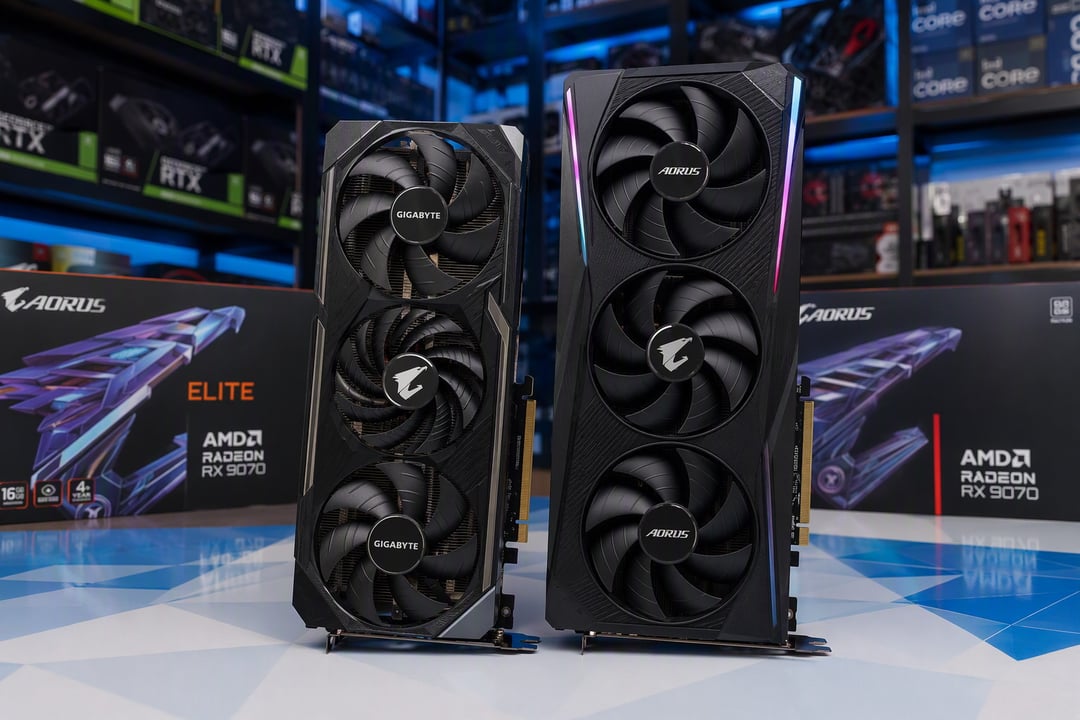
GPU pricing remains uncomfortable eight months into the memory crisis, but the situation has not deteriorated evenly across the market. Some cards have held roughly steady since April, several lower-VRAM Nvidia models have become cheaper, and the most expensive 16GB-and-up options remain heavily inflated.
The pricing data covers 10 countries: the United States, Australia, Germany, the United Kingdom, Canada, India, the Philippines, Brazil, Poland, and the Netherlands. Each price reflects the cheapest readily available, in-stock model found through regional price-comparison sites across a range of retailers.
To compare countries fairly, advertised launch MSRPs were adjusted for currency conversion and local taxes. This produces a local “true MSRP,” making it easier to see how far actual retail prices have drifted from where they should be.
Entry-Level Nvidia GPU Prices Are Mostly Stable
GeForce RTX 5050 Pricing Is Still High in North America
The GeForce RTX 5050 has changed very little since April in most regions. Its average price across all 10 markets sits 6% above MSRP, though the experience differs sharply by country.
Canada and the Philippines saw the biggest price increases, with pricing up more than 10% in each market. In the United States and Canada, the RTX 5050 has also pushed into price territory that was previously occupied by the RTX 5060.
|
Region
|
RTX 5050 Price in July 2026
|
Change Since April
|
|
United States
|
$290
|
0%
|
|
Canada
|
$420
|
11%
|
|
Philippines
|
₱19,000
|
14%
|
|
Germany
|
€270
|
0%
|
|
United Kingdom
|
£240
|
-2%
|
GeForce RTX 5060 Is Closer to MSRP
The RTX 5060 is one of the better stories in the current market. It fell by 4% on average between April and July, even though prices rose slightly in the United States and the United Kingdom.
Across the 10 countries, the 8GB RTX 5060 is now available at roughly its MSRP. The United States remains the exception: at $340, it is 13% above its true MSRP. Most other markets are much closer to the intended price.
That does not automatically make the RTX 5060 an exceptional value. But compared with many other cards affected by rising memory costs, it has avoided a major jump so far.
The RTX 5060 Ti 8GB and 16GB Are Moving in Different Directions
RTX 5060 Ti 8GB Pricing Has Improved
The RTX 5060 Ti 8GB is cheaper than it was three months ago in most markets, with an average decline of 5%. The least-expensive versions now sell below MSRP in some regions, including the United States.
In Germany, the United Kingdom, and the Netherlands, pricing has barely moved since November. That likely reflects weak demand rather than a sudden improvement in the market.
The smaller price gap between the RTX 5060 and RTX 5060 Ti 8GB is especially notable. At MSRP, the Ti model is meant to cost 27% more. In the United States, Canada, and Australia, the difference has narrowed to under 12%.
Across all 10 countries, the RTX 5060 Ti 8GB costs 16% more than the RTX 5060 and delivers 17% more performance at 1080p. It is still costly for an 8GB graphics card, but its current price makes more sense than it did earlier in the year.
RTX 5060 Ti 16GB Is Still Far Above MSRP
The RTX 5060 Ti 16GB tells a much less pleasant story, especially in the United States. Its US price reached $570 in July, up 14% from April. That is 33% above its $430 MSRP and 58% more than the 8GB version.
Outside the US, pricing has generally been flatter after earlier increases. Poland and Brazil, for example, showed no movement between April and July.
The card increased by only 2% on average over the three-month period, but that number hides a broader problem: buyers across the 10 markets are paying an average of 22% above true MSRP. In November, the RTX 5060 Ti 16GB could frequently be found at or below that level. It is clearly a worse buy now.
RTX 5070 and RTX 5070 Ti Prices Remain Inflated
RTX 5070 Pricing Is Relatively Controlled
RTX 5070 prices changed little between April and July. The card was slightly cheaper on average, and Brazil posted the largest regional decline at 8%.
Australia, Germany, and Poland are among the markets where the RTX 5070 sits close to its true MSRP. Its average inflation is 6%, a comparatively restrained result for the current GPU market.
The RTX 5070 also remains Nvidia’s strongest current option on price within this lineup. It has sufficient VRAM, decent performance, and has not been pushed into the extreme pricing seen with several 16GB Nvidia cards.
RTX 5070 Ti Is Still About 20% Above True MSRP
The RTX 5070 Ti is essentially unchanged from April. Its prices have not surged recently, but that only means they have stayed at an already expensive level.
Across the 10 countries, the RTX 5070 Ti remains about 20% above true MSRP. The card’s price puts it in a difficult position next to AMD’s RX 9070 XT, which costs far less in most markets.
High-End Nvidia GPU Prices Remain Hard to Justify
RTX 5080 Holds Steady at a High Price
RTX 5080 prices have been mostly flat for three months. On average, buyers are still paying 18% above true MSRP, which reflects the broader premium now attached to Nvidia cards with 16GB of VRAM.
The RTX 5070 Ti has moved into pricing once associated with the RTX 5080, while the RTX 5080 has climbed further upward. The gap between the two models, however, has remained roughly the same.
RTX 5090 Has Become Even More Expensive
The RTX 5090 had the largest average increase of any tracked GPU from April to July, rising 12% across the 10 regions. Several markets saw much sharper increases:
- The Netherlands rose 20%.
- The United Kingdom and Philippines each rose 19%.
- Poland rose 15%.
- India rose 14%.
- Canada rose 13%.
At $3,980 in the United States, the RTX 5090 is now 94% above its true MSRP. It was already overpriced in November and was never widely available at MSRP for long.
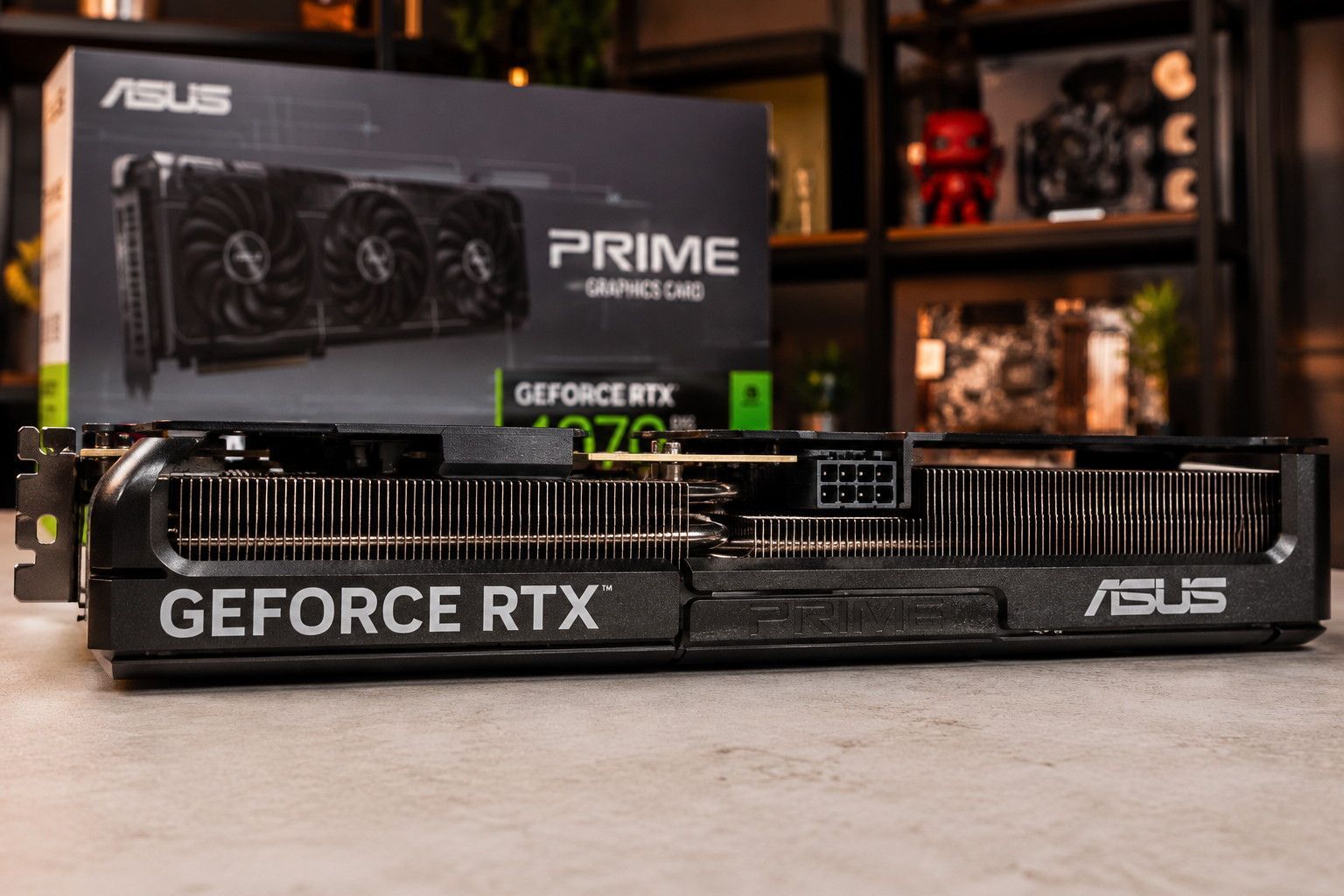
At around $4,000, it is difficult to treat the RTX 5090 primarily as a gaming purchase. Its pricing looks more like a workstation product aimed at AI workloads. Even so, it is not the cheapest way to get 32GB of VRAM on a Blackwell workstation GPU: the RTX Pro 4500 generally costs around $3,100, though its GPU core is more comparable to an RTX 5080.
AMD’s Mainstream Radeon Prices Are Rising
RX 9060 XT 8GB Has Lost Ground
Both RX 9060 XT models rose by an average of 5% between April and July. The 8GB version now sits 8% above true MSRP on average, with particularly significant increases in Canada and the United Kingdom.
That hurts AMD’s position against the RTX 5060 Ti 8GB. In the United States, United Kingdom, and Canada, the two cards now cost about the same, even though the Radeon model was meant to be 21% less expensive at MSRP.
Because the two GPUs deliver very similar performance, the GeForce card becomes the more sensible choice at equal pricing due to its better feature set. The odd result is that the RTX 5060 Ti 8GB has become a card worth considering in the sub-$400 market.
RX 9060 XT 16GB Is the Cheapest 16GB GPU
The RX 9060 XT 16GB is also above MSRP, with average price inflation of 18%. Still, it starts from a lower MSRP than the RTX 5060 Ti 16GB and costs 22% less than Nvidia’s 16GB alternative.
That makes it the least-expensive 16GB GPU currently available. For buyers who need a mainstream card now and want 16GB of VRAM, it is a reasonably strong option despite the broader increase in pricing.
Radeon RX 9070 and RX 9070 XT Offer the Best Value
RX 9070 Pricing Is Only Slightly Above MSRP
The Radeon RX 9070 has been steady in most regions. India and Brazil saw price corrections where its earlier pricing was less sensible, but there has been little movement elsewhere.
Across the 10 markets, the RX 9070 is only 4% above true MSRP. That is a strong outcome in a period when many graphics cards have become substantially more expensive.
The RTX 5070 costs roughly the same as the RX 9070 on average, which is appropriate because both cards have the same MSRP.
RX 9070 XT Maintains a Major Price Advantage
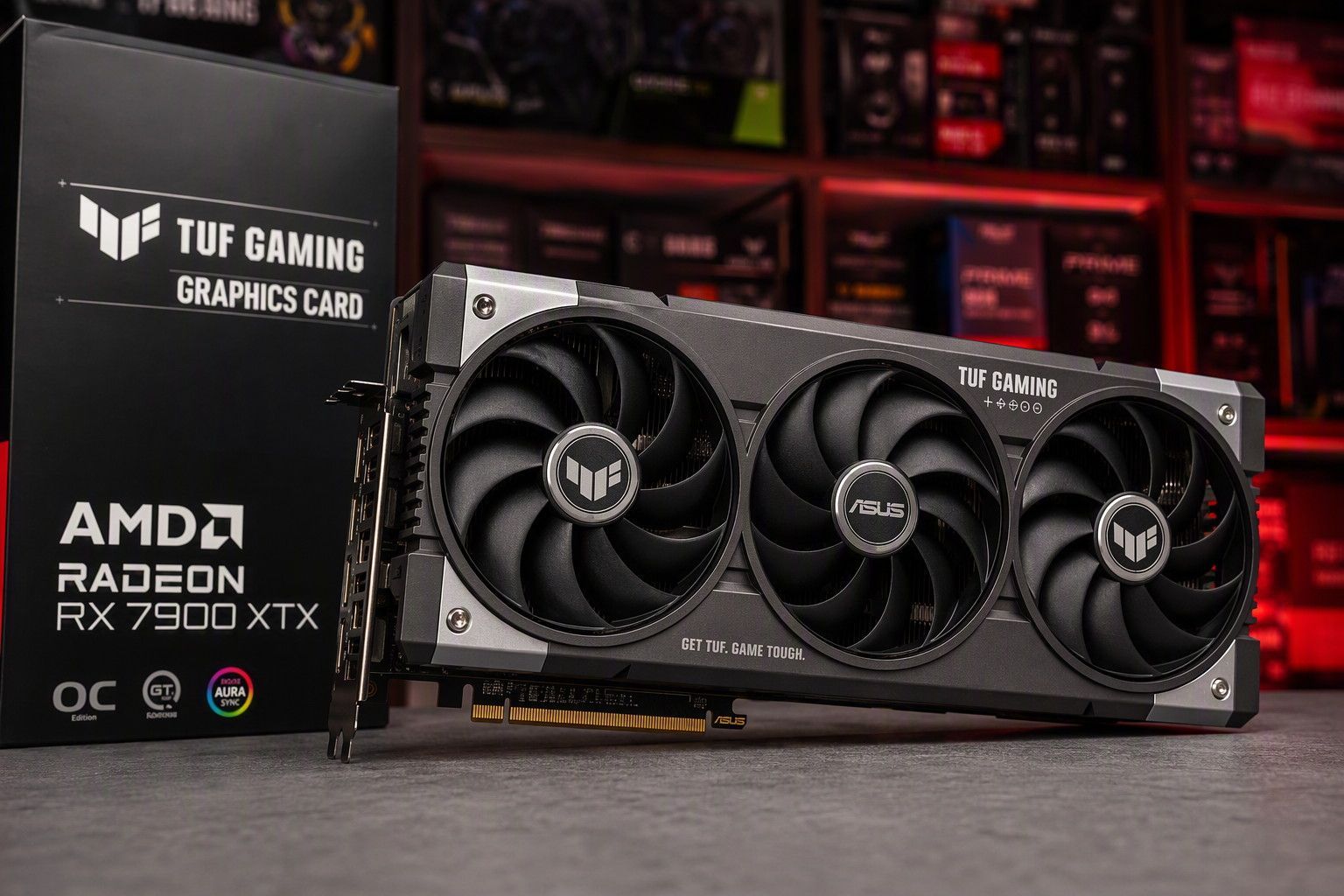
The RX 9070 XT sits 8% above true MSRP, another solid result under the current conditions. In Australia, India, and Brazil, it is as good a deal as it was in November, or better. Germany, the United Kingdom, and Poland have experienced only modest increases since November.
The pricing gap against the RTX 5070 Ti is substantial. Across the 10 regions, the RTX 5070 Ti costs 42% more than the RX 9070 XT on average.
Both Radeon 70-series models have 16GB of VRAM, yet neither has seen the same scale of inflation affecting Nvidia’s 16GB GPUs. That keeps the RX 9070 and RX 9070 XT in the strongest value position of the current market.
RX 9070 GRE Does Not Make Much Sense
The RX 9070 GRE launched at a $550 MSRP, the same as the RX 9070. Its regional pricing does little to improve the situation.
On average, the RX 9070 GRE is only 6% cheaper than the RX 9070 despite being 17% slower. The Philippines was the only market where it was at least 17% cheaper than the RX 9070. For now, it is a model buyers can safely avoid.
Intel Arc Battlemage Availability Is Declining
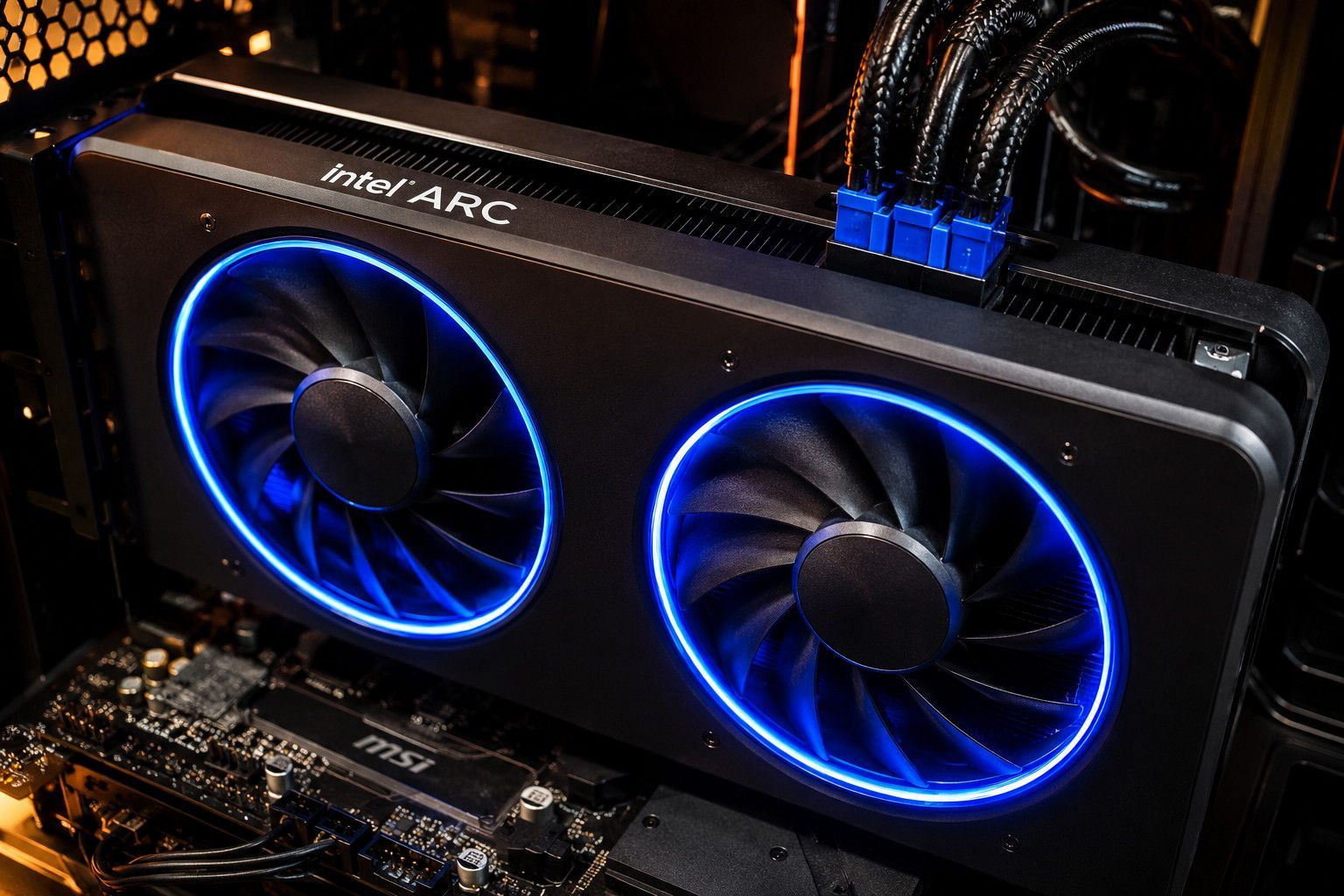
Intel Arc B570 and B580 cards are harder to find than they were in April, with fewer available models in many regions. Both cards became roughly 5% more expensive on average over the past three months.
The Arc B580 is now 17% above true MSRP. In many regions, it costs about the same as an RTX 5060, despite being intended to cost 17% less and compete more directly with the RTX 5050.
The B570’s pricing has also become inconsistent. It dropped 12% in the United States and 8% in the Netherlands, but increased 26% in the United Kingdom, 10% in Poland, and 8% in Brazil.
Canada Has the Worst GPU Price Inflation
When the RTX 5090 is excluded due to its unusually extreme pricing, Canada has the highest GPU price inflation among the tracked countries. The United States and the United Kingdom are not far behind.
Continental Europe looks less punishing by comparison. Based on pricing in Germany, the Netherlands, and Poland, GPU prices are not as far above true MSRP as they are in North America.
Australia is the outlier in the other direction. Its average graphics card pricing is slightly below true MSRP. The RX 9070 XT, for example, had a true MSRP of 944 Australian dollars but was available from $900 when these figures were collected.
Why GPU Prices May Rise Again
GPU prices have flattened after earlier increases in 2026, but they are not expected to fall soon. Reports indicate that Nvidia has raised the cost of GPU and memory bundles sold to AIB partners, which could push GeForce retail pricing higher. Rising GDDR6 and GDDR7 memory module costs are reportedly behind those increases.
Retailers report that buying a 16GB GeForce GPU has become roughly 10% to 15% more expensive than it was only weeks earlier. Smaller increases are affecting models with less VRAM. Some AIBs are also warning of additional increases that could reach as much as 40% later on.
These higher costs have not fully appeared in retail listings yet because much of the currently available stock was purchased by retailers months ago. GPU sales have slowed as prices climbed, leaving products on shelves longer and helping hold prices steady in the short term.
Once that older stock sells through, replacement inventory is expected to cost retailers more. AMD’s position remains less clear, but Radeon pricing is unlikely to remain untouched because AMD and Nvidia are both affected by rising GDDR costs.
Should You Buy a Graphics Card Now?
Anyone who urgently needs a new GPU should buy sooner rather than later, before higher wholesale costs reach more retail inventory. The better choices in the current market are AMD’s RX 9070 and RX 9070 XT, while the RX 9060 XT 16GB is the lowest-cost 16GB option.
Buyers who already have a graphics card that is doing the job should wait. Even if memory pricing stays high, waiting for a new generation could mean getting something faster for the same elevated prices being charged today.