
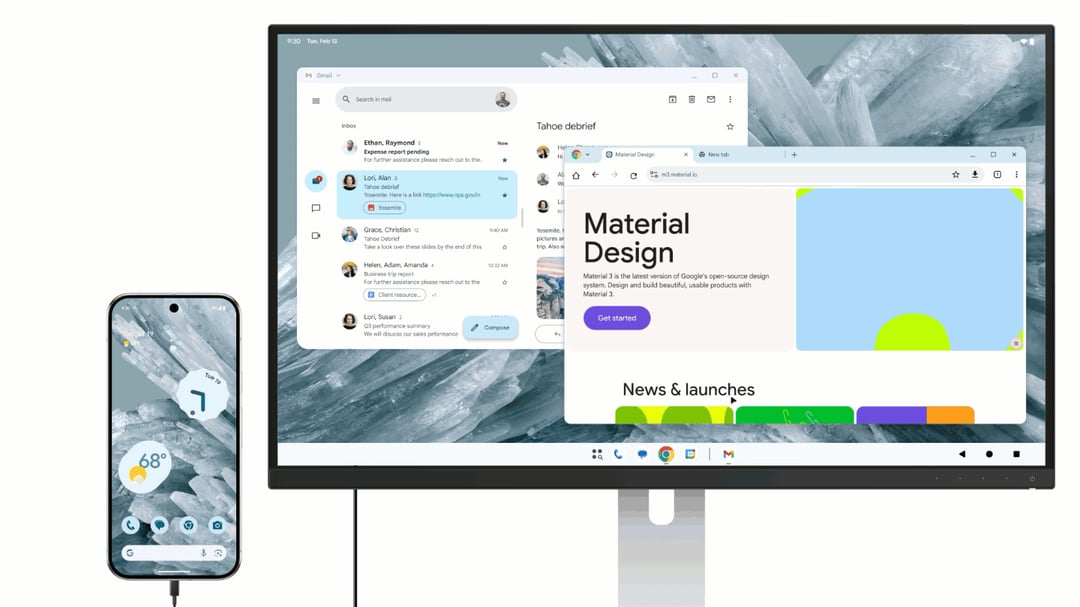
The Shift Toward True Mobile-Desktop Integration
Google’s introduction of a new desktop mode definitively settles a long-standing industry debate, making one thing absolutely clear: Samsung DeX was onto something from the very beginning. For years, the ambition of docking a smartphone to power a full external display felt like a moving target. Now, with Google cementing a native desktop environment directly into the operating system, the initial vision championed by Samsung is fully vindicated.
Why the Core Idea Always Made Perfect Sense
The underlying premise of carrying a single primary computer in your pocket has always been inherently logical. Scaling mobile hardware up to handle productivity tasks on a larger screen eliminates the need to juggle multiple devices, sync files, or manage separate workflows. Conceptually, the idea made perfect sense long before the mobile software was actually ready to support it.
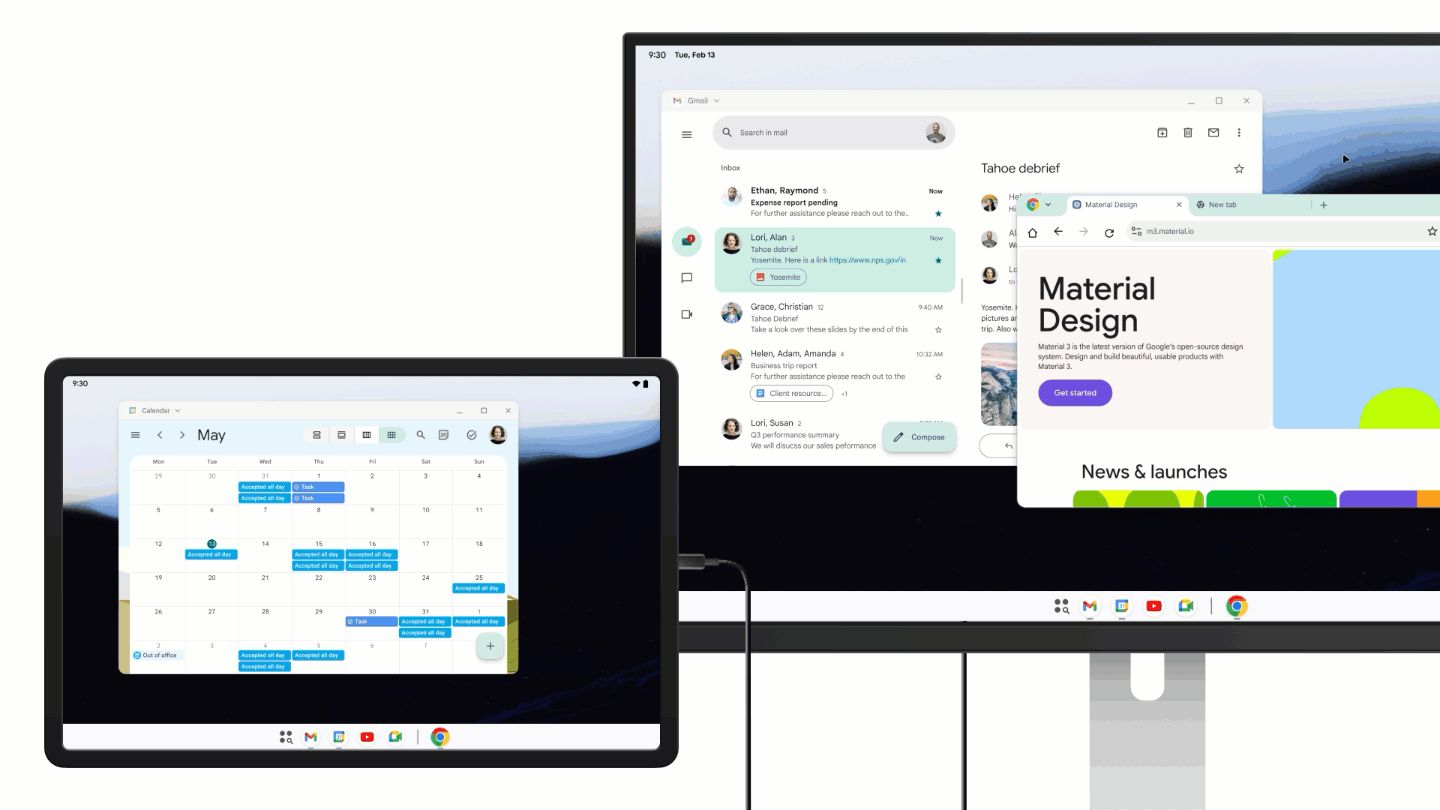
The Frustrations of Early Adopters
The path to this native integration was filled with clunky workarounds and significant user friction. Early attempts at turning phones into traditional computers required an immense amount of patience and a willingness to compromise on basic functionality.
The 2019 OnePlus 7 Pro Experience
Back in 2019, trying to utilize these experimental features on devices like the OnePlus 7 Pro often turned into a test of endurance. Users wasted an embarrassing amount of time attempting to brute-force a half-baked desktop mode into something genuinely useful for getting work done. Those early iterations were riddled with scaling issues, application incompatibilities, and erratic window management. The hardware was capable, but the software fundamentally resisted behaving like a true desktop environment.
Moving Past the Brute-Force Era
The sheer effort required to make older, half-baked modes function highlights exactly why Google’s new approach is critical. Users no longer have to brute-force a mobile interface onto a larger monitor. By building out a dedicated desktop mode, Google is providing the structural foundation that earlier devices lacked, proving that the initial struggles and frustrating hours spent tinkering were simply the growing pains of a necessary evolution.


