
The Problem With How We Search Now
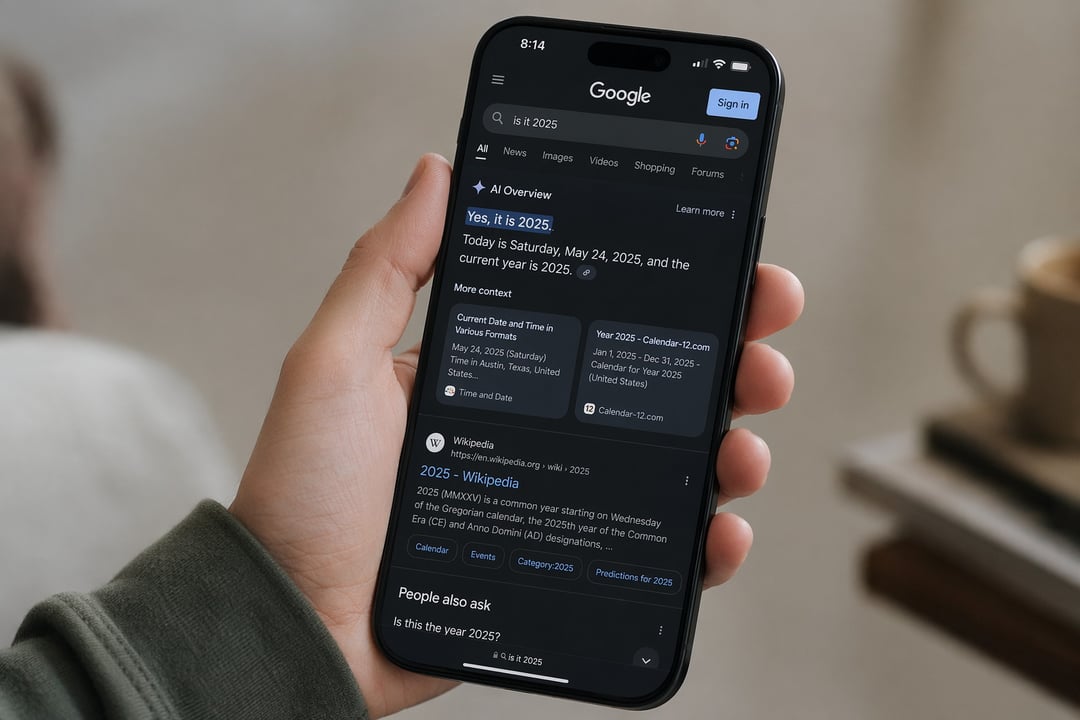
Here's something most of us do without even thinking about it. We type a question into Google, an AI Overview pops up with a tidy little summary, we read it, and we close the tab. Done. No clicking, no exploring, no visiting any actual website.
It's efficient, sure. But it's also kind of a problem — for publishers who depend on that traffic, and honestly, for us too, because a synthesized summary isn't always the whole story.
Google knows this. And now they're doing something about it.
The company is rolling out five updates to AI Mode and AI Overviews, all aimed at one specific goal: getting you to actually click through to the websites that informed the AI's answer in the first place.
Further Exploration: A Reason to Keep Going
The headline feature here is something called Further Exploration. It's a new section that shows up at the end of AI Overviews, and it's filled with curated links — specific articles, case studies, reports — related to what you searched for.
Google's own example makes it click pretty fast. Search for how cities have added green space, and Further Exploration might surface a link to a stream restoration project in Seoul, or a report on how architects designed New York's High Line park. These aren't generic "learn more" buttons — they're doorways into actual, specific stories worth reading.
That's a meaningful shift. Instead of the AI response being the end of your journey, it becomes the beginning of one.
Inline Links That Actually Make Sense
Beyond Further Exploration, Google is also changing where links appear inside AI responses. Instead of lumping all sources at the bottom — where, let's be honest, most people never scroll — they're now placing links right next to the relevant text.
So if you're searching for tips on a California bike trip, you might see a link to a Pacific Coast touring guide sitting right next to a bullet point about terrain. A training blog post might appear right next to the advice about daily mileage. The connection between the AI's claim and the source behind it is immediate and obvious.
And on desktop, hovering over any of those inline links will trigger a small preview: the website name, the page title. Google found through internal testing that people were hesitant to click links when they couldn't tell where they led. The preview removes that hesitation before you've even committed to the click. Small thing, but smart.
Your Subscriptions, Finally Surfaced
Here's one that'll matter if you actually pay for news. AI Mode and AI Overviews will now label links from your active news subscriptions so they stand out in results. Google says early testing showed users were significantly more likely to click those labeled links — which makes total sense. If you already trust a publication enough to pay for it, seeing it flagged in search results is going to feel like a nudge from a friend rather than a random result.
It also means the publications you're already supporting financially become easier to find inside AI search, rather than getting buried beneath free content or AI summaries.
Real Voices, Not Just Synthesized Summaries
AI responses are also going to start surfacing community perspectives — previews of discussions from public forums like Reddit, social media, and other firsthand sources, with added context like a creator's handle or community name.
Think about what that means in practice. You search for tips on photographing the northern lights. Instead of just a polished AI summary, you might also see a snippet from a specific photography forum, with a direct link to the full thread where people who've actually stood in a field at 2am waiting for the sky to light up are sharing what worked for them.
That's genuinely useful. Real-world advice from people who've lived it is different from a synthesized overview, and now there's a clearer path to finding those voices.
What This Means for Publishers — and for Trust
These updates carry real weight beyond just the user experience. AI Overviews have been a sore spot across the media industry, with publishers raising concerns about declining referral traffic ever since they launched. These five features are Google's most direct attempt yet to show that AI-powered search and the open web aren't fundamentally at odds with each other.
Whether they actually move the needle on click-through rates remains to be seen. But the direction is clear.
There's also the ongoing question of AI accuracy. AI Overviews have a history of stating wrong information with complete confidence — and that issue hasn't gone away just because the links around the answer are better organized. Encouraging users to click through to publishers might be a step in the right direction, but it also quietly acknowledges something: the AI summary alone isn't something you should take at face value without checking.