
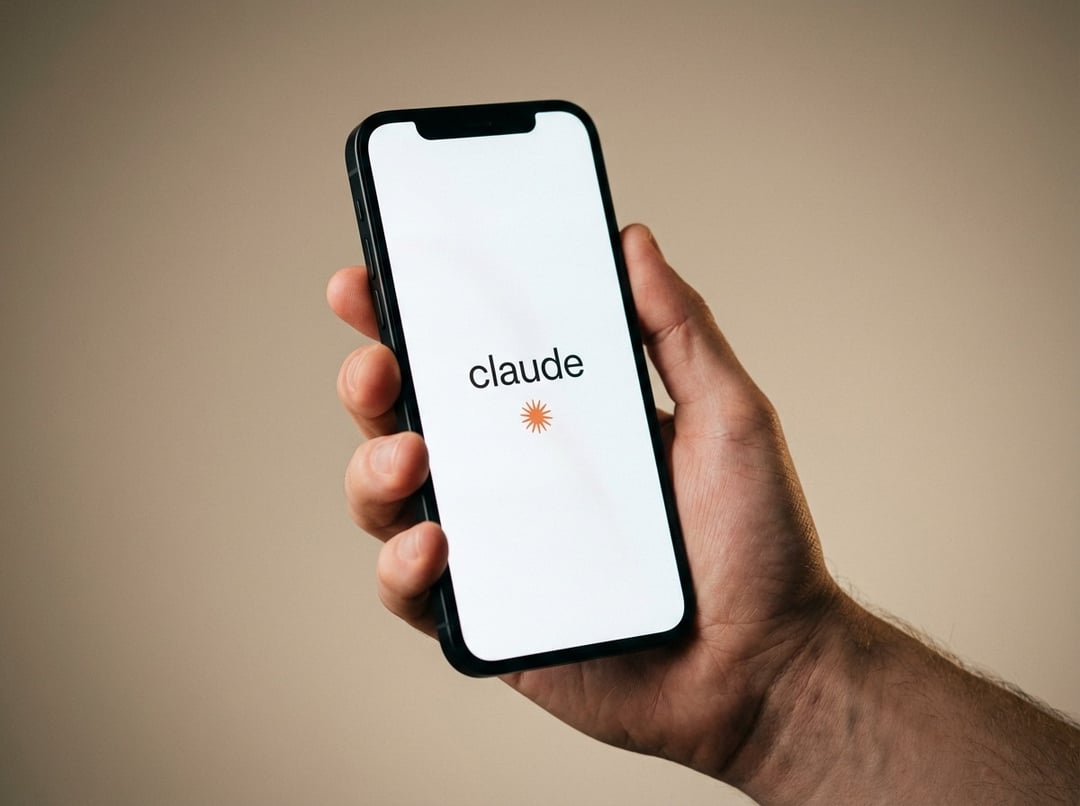
Claude Overtakes ChatGPT in U.S. App Store Rankings
Something shifted—and it happened fast.
Anthropic’s Claude surged past ChatGPT to claim the top spot among free apps in the U.S. App Store. Not after a flashy product launch. Not after some breakthrough feature update. But right in the middle of a public controversy.
For months, ChatGPT had dominated the charts almost uncontested. It felt untouchable. And then, almost overnight, Claude climbed past it. That kind of shakeup doesn’t happen by accident. App rankings move, sure—but this was dramatic.
The surge marked one of the clearest signals yet that the consumer AI race is no longer predictable. Users aren’t just downloading what’s popular anymore. They’re reacting. They’re watching. And they’re making choices based on more than features.
Pentagon Controversy and the “Cancel ChatGPT” Movement
How Government AI Partnerships Sparked Public Scrutiny
Here’s where things get interesting.
Reports surfaced about AI partnerships involving the U.S. Department of Defense. Specifically, concerns around OpenAI deploying AI systems through Pentagon classified networks. And that detail hit a nerve.
Suddenly, the conversation wasn’t about which chatbot writes better emails. It was about ethics. About lines in the sand. About where these AI systems are being used—and by whom.
A widely shared social post summed up the mood: Claude didn’t overtake ChatGPT because of a new feature. It happened because people learned about those defense deployments. And for a lot of users, that mattered.
The reaction snowballed into what became known online as the “Cancel ChatGPT” trend. Social media amplified the debate, pushing more people to reconsider which AI tools they trusted.
And trust, it turns out, moves markets.
Public Trust Becomes a Competitive Advantage
The timing of Claude’s rise raised eyebrows across the tech world. AI app rankings usually shift due to marketing pushes or product upgrades. But this spike was different. It was driven by perception.
Public scrutiny around AI’s role in defense and national security pushed many users to explore alternatives. Not because ChatGPT stopped working well. But because people started asking bigger questions.
Where does this technology draw its ethical boundaries?
Who decides how it’s used?
And what am I supporting when I download this app?
Those questions carry weight.
Anthropic’s Ethical Positioning Resonates With Users
Anthropic has repeatedly emphasized strict usage policies. The company publicly prohibits applications such as domestic surveillance and lethal autonomous weapons. That messaging suddenly felt very relevant.
When controversy swirled around defense-related AI use, Claude’s positioning stood out. It offered something users were actively looking for: reassurance.
And that reassurance translated into downloads.
This moment revealed something important about the AI chatbot market. Technical performance alone isn’t enough anymore. Speed, accuracy, and features still matter—but transparency and public confidence matter just as much.
Maybe more.
The AI Chatbot Market Is No Longer Dominated by One Player
Just months ago, ChatGPT’s dominance seemed locked in. Now, the leaderboard looks volatile.
Claude’s rise signals a broader shift: users have multiple strong options, and they’re willing to switch. Brand perception, ethical alignment, and public sentiment are shaping download behavior in real time.
The AI space isn’t just competitive—it’s reactive.
And that makes it unpredictable.
The takeaway isn’t that Claude is permanently on top or that ChatGPT is fading. It’s that the rules of competition are changing. Public trust can spike downloads overnight. Controversy can redirect attention just as quickly.
The AI chatbot market has entered a phase where ethics and transparency are part of the product itself.