
Pinterest Steps Into the AI Shopping Chat Era
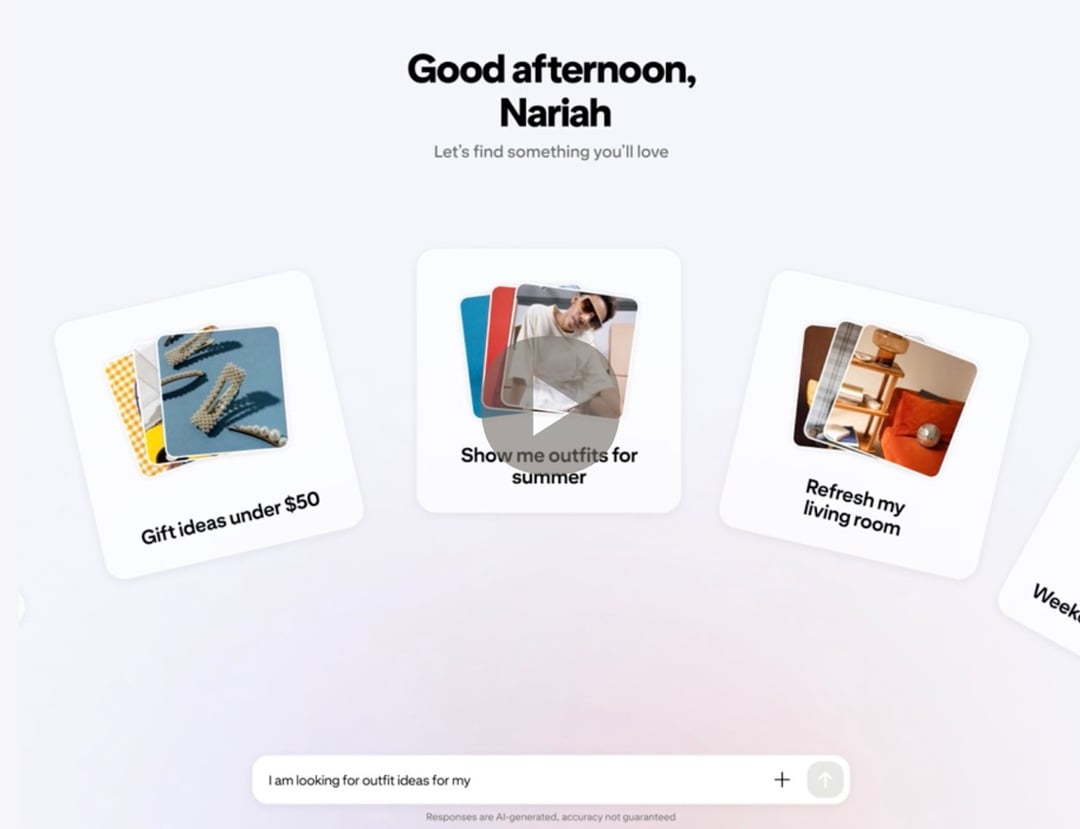
Pinterest has unveiled a new experimental application called Ask Pinterest, available at ask.pinterest.com, that takes the platform's visual discovery experience in a sharply different direction. Rather than extending the familiar grid of Pins, the standalone app offers a conversational, chatbot-style interface where users can pose natural-language questions and receive personalized shopping recommendations and inspiration in return.
The launch positions Pinterest as a direct participant in the growing competition between AI-powered chatbots and traditional search engines — a race that now extends squarely into commerce. Google has already deployed AI to assist online shoppers with product discovery and checkout. OpenAI tested agentic shopping through ChatGPT. Meta, Shopify, and others have each signaled their own plays in this space. Pinterest's entry, however, is built on a foundation that sets it apart: years of proprietary interest and aesthetic data that most AI competitors simply don't have access to.
What Ask Pinterest Is Designed to Do
Conversational Discovery Beyond Standard Search
The core experience Ask Pinterest is built around is handling queries that go beyond what a standard Pinterest search bar could manage. Planning a dinner party, furnishing a room over multiple sessions, or exploring a personal aesthetic over time — these are the kinds of layered, evolving requests the app is designed for. Unlike a one-and-done search, Ask Pinterest retains user context across sessions, meaning the conversation can pick up where it left off rather than starting from scratch each time.
This persistence is a meaningful differentiator. Most search experiences reset with every visit. Ask Pinterest is designed to behave more like an ongoing conversation with someone who remembers your preferences — a distinction that matters a great deal in shopping and home discovery contexts, where taste evolves rather than crystallizes in a single moment.
Personalization Powered by Your Own Saved Pins
When users sign in to Ask Pinterest, the app can draw on their existing saved Pins and Boards to sharpen the relevance of its answers. This means the recommendations aren't drawn from a generic model of what "most people" want — they're shaped by years of curation that each individual user has already done for themselves on the main platform.
This personalization layer is what makes the standalone experiment strategically significant. The app isn't just testing a new interface; it's testing whether Pinterest's accumulated user preference data can do meaningful work in a conversational format that the main app hasn't been built to support yet.
The Taste Graph: Pinterest's Underlying Competitive Advantage
Central to Ask Pinterest — and to Pinterest's broader AI strategy — is what the company calls its Taste Graph. This internal system maps users to their interests and aesthetic preferences, drawing on the billions of saves, searches, and engagement signals the platform has collected over its lifetime.
Rather than licensing this data to third-party AI services, Pinterest has taken a deliberate stance of keeping it proprietary. The company has focused on using the Taste Graph to train its own AI models and power its own products. Ask Pinterest is the most visible expression of that strategy to date — a direct-to-consumer product that puts the Taste Graph to work in a new format, without giving external AI platforms access to Pinterest's core data asset.
The company's Chief Business Officer, Lee Brown, framed the moment clearly in a formal announcement: the future of discovery, he argued, won't be driven by keywords alone. Context, taste, and trusted recommendations will shape what comes next — and Pinterest believes its Taste Graph gives it a genuine edge in that future.
A Standalone App as an Experimentation Layer
By building Ask Pinterest as a separate application rather than integrating the conversational experience directly into the main app, Pinterest has created a deliberate buffer between experimentation and its core product. The main Pinterest app serves hundreds of millions of users; testing a fundamentally different interaction model there carries real risk of disrupting an experience that already works.
The standalone structure lets Pinterest iterate quickly, observe how users engage with conversational discovery, and carry the most effective patterns back into the flagship product over time. In that sense, Ask Pinterest functions as much as a learning mechanism as it does a product in its own right.
Access is currently limited to a small group of users via the web, on both mobile and desktop. No timeline for a wider rollout has been specified.
New AI Tools for Pinterest Advertisers
The Ask Pinterest launch arrived alongside a separate set of announcements aimed at the advertising industry, timed to coincide with the Cannes Lions festival — the adtech world's primary annual gathering, which this year has been heavily focused on how AI can serve marketers and brands.
An AI Assistant Built Into Ads Manager
Pinterest introduced an AI assistant, currently in beta, directly inside its Ads Manager product in the United States. The assistant is designed to give advertisers a more guided, conversational way to manage campaigns — a pattern that mirrors what Ask Pinterest is doing for consumers, applied instead to the business side of the platform.
Performance+ Creative for Smarter Ad Selection
A new AI model called Performance+ creative is being rolled out globally. The model is built to help advertisers choose between different ad creatives by predicting which one is most likely to perform best each time an ad is shown — dynamically optimizing creative selection rather than relying on static A/B test results or manual judgment.
Pinterest MCP: Connecting to Third-Party Agentic Tools
Pinterest also announced support for the Model Context Protocol (MCP), a standardized infrastructure layer that allows advertisers to manage and monitor their Pinterest campaigns using third-party agentic tools. By adopting MCP, Pinterest enables its ad platform to connect with the broader ecosystem of AI-powered marketing tools, rather than requiring advertisers to work exclusively within Pinterest's own interface.