This Isn't Apple Going Back to Intel Processors
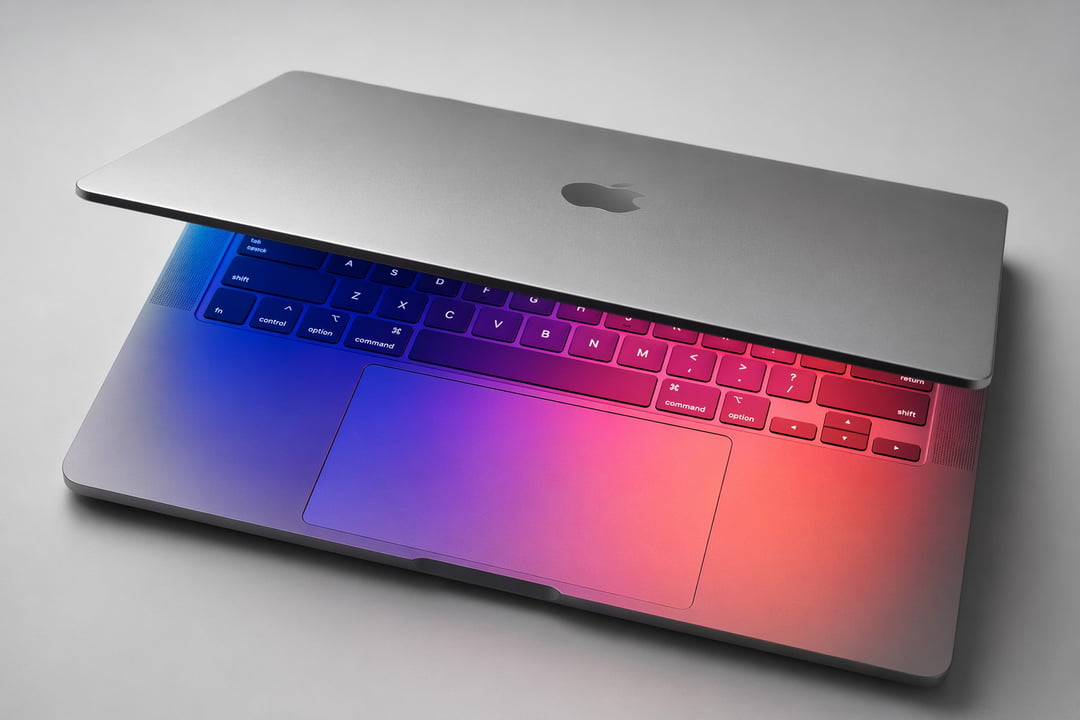
Let's clear something up right away, because the headline probably sent a few people into a mild panic: Apple is not putting Intel chips back inside your Mac. Apple Silicon isn't going anywhere. The M-series processors that transformed the Mac lineup starting in 2020 — tighter performance, better efficiency, serious AI horsepower — those are still very much the plan.
What's actually being discussed is something more behind-the-scenes, and honestly, a lot more interesting when you think about what it means for the chip industry at large.
Apple and Intel have reportedly reached a preliminary agreement for Intel to manufacture chips that Apple designs. So Apple keeps doing what it's been doing — engineering its own silicon — while Intel's foundry division would handle some of the physical production. Bloomberg's Mark Gurman has noted that nothing is finalized yet and talks are still early. He also pointed out that Apple still has real concerns about Intel's manufacturing technology and where it's headed long-term.
So: cautious, early-stage, and genuinely unresolved. But worth paying attention to.
Why Would Apple Even Consider This?
Here's the thing — Apple's chip situation isn't broken, but it's under pressure. Right now, almost everything Apple makes runs on chips built by TSMC. iPhones, iPads, Macs, you name it. That's a massive concentration of manufacturing in one place, and the global demand for advanced semiconductor capacity has been exploding.
AI is the big driver. Companies like Nvidia are consuming enormous amounts of TSMC's advanced production capacity, and that squeeze is real. Tim Cook has publicly acknowledged supply constraints affecting Mac availability — so this isn't just hypothetical industry anxiety, it's something Apple has already bumped into.
Bringing Intel into the picture as a secondary manufacturing partner would give Apple more options. Think of it like supply chain insurance. You're not replacing your main supplier; you're making sure a single point of failure can't derail your whole product lineup.
What Intel Gets Out of This
For Intel, landing Apple as a foundry customer would be a pretty massive deal. And not just financially — it would be a statement.
Intel has spent the last several years getting lapped by TSMC and Samsung in manufacturing. CEO Lip-Bu Tan has been working hard to change that story: restructuring leadership, pouring investment into advanced processes like 14A, and repositioning Intel Foundry as a genuine competitor in the contract chip manufacturing space. They've already picked up partnerships with Nvidia and some Elon Musk-linked projects.
But Apple? That would be something else entirely. It would signal to the entire industry that Intel's foundry is worth taking seriously again.
The Geopolitical Piece You Can't Ignore
There's a broader context here that doesn't have much to do with chip specs or supply chains. The Trump administration has reportedly been actively encouraging Intel to forge partnerships with major tech companies. The U.S. government now holds a 10% stake in Intel following a multibillion-dollar investment deal — which means there's real political will behind seeing Intel succeed as a domestic chip manufacturer.
That changes the calculus for everyone involved. Apple's discussions with Intel aren't happening in a vacuum; they're happening inside a policy environment that's actively trying to build U.S. semiconductor capacity. Whether or not that pressure influenced these preliminary talks, it's clearly part of the larger picture.
Where Things Stand Right Now
Honestly? Uncertain. Gurman's reporting suggests Apple is still cautious, and there's no guarantee these early conversations turn into actual production. The concerns about Intel's manufacturing maturity are real — Apple has extremely high standards for the chips it ships, and Intel would need to clear a high bar to earn a meaningful role.
But even the fact that these conversations are happening says something. It tells you how much pressure advanced chip manufacturing capacity is under, and how seriously Apple — a company that spent five years building its own silicon advantage — is thinking about what happens if that capacity tightens further.
The semiconductor industry is being reshaped by AI demand in ways that are forcing everyone, even the most vertically integrated players, to think differently about how and where their chips get made.