
Intel has been talking a lot about its upcoming 14A process lately, and honestly, it makes sense. This node is shaping up to be one of the biggest tests of whether the company can finally turn its long-promised roadmap into something that actually moves the needle against AMD.
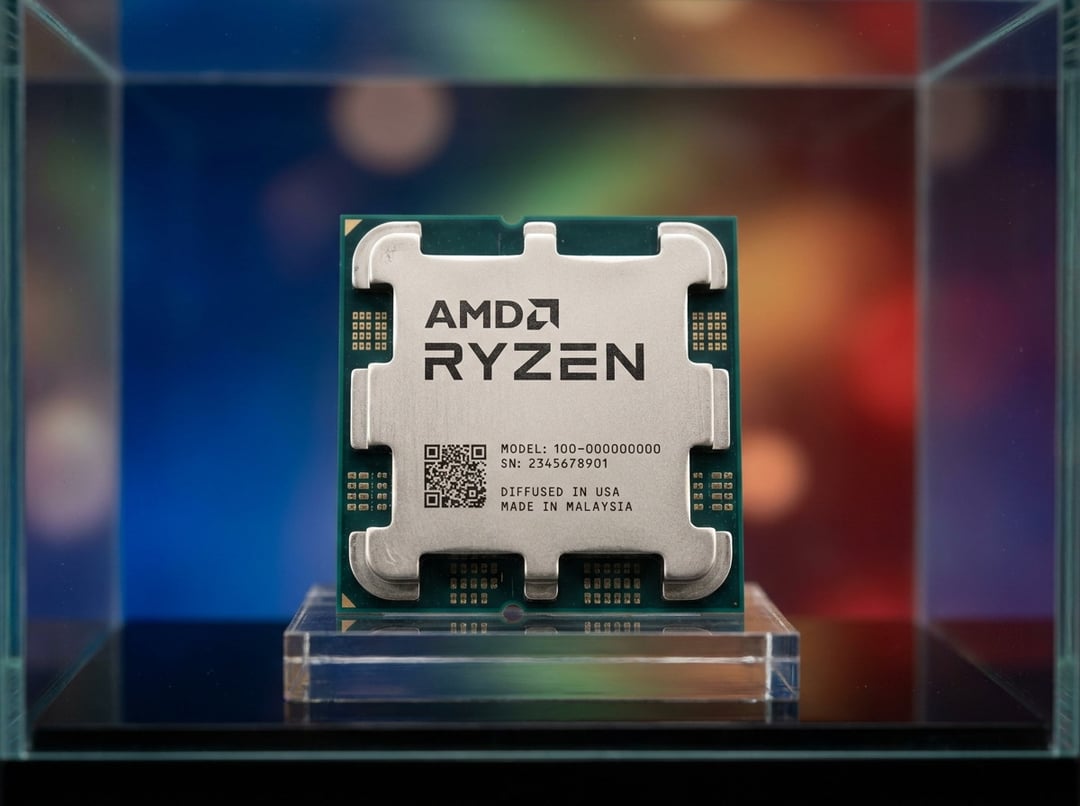
But here’s where it gets interesting. New chatter from Commercial Times suggests AMD isn’t just sitting back and waiting. The company’s Zen 7 processors are reportedly being planned around TSMC’s A14 node, which would put it on a direct collision course with whatever Intel brings to the table.
What AMD Is Reportedly Cooking Up for Zen 7
Let’s be clear about timing first. This isn’t about anything you can walk into a store and buy. AMD’s current Zen 5 chips are built on TSMC’s 4nm process. The next big leap is Zen 6 on TSMC’s N2 node. Zen 7 comes after that. So we’re talking a few years out, not a near-term upgrade for anyone shopping right now.
Still, these early breadcrumbs give us a sense of where Ryzen is heading. TSMC has said its A14-class process is targeting volume production in 2028, and the report ties AMD’s Zen 7 plans to that same window. There’s also mention that AMD is evaluating Powertech’s fan-out panel-level packaging, or FOPLP. That’s a fancier way of saying it’s an advanced packaging method that can pack more complex chiplet designs into a smaller, potentially cheaper package.
Bigger Core Counts and a Lot More Cache
The really juicy part? The rumored Zen 7 CCD could scale up to 16 cores for the flagship model. And future 3D V-Cache variants might push all the way up to 224 MB of L3 cache per CCD. If those early numbers hold, Zen 7 would be a serious chiplet and cache upgrade, not just a routine bump.
Why Intel’s Roadmap Makes This Matchup Worth Watching
Intel’s roadmap is really the reason AMD’s A14 move feels meaningful. The current Core Ultra Series 3 mobile chips are built on Intel 18A. The upcoming Core Ultra 400 series is expected to stick with that same process. Intel’s next big step is 14A.
Intel’s 14A Timeline and What Comes Next
There have been earlier reports saying Intel has already started work on 10A and 7A process technologies. CEO Lip-Bu Tan has said the 14A process design kit 0.9 is targeted to go out to external customers in October. Intel expects 14A risk production in 2028 and volume production in 2029.
That timing lines up almost perfectly with AMD’s reported Zen 7 window. If AMD really does move to TSMC’s A14, its future CPUs would go head-to-head with Intel’s 14A chips in the same performance and efficiency race.
What This Could Mean for Future PC Buyers
For shoppers, this kind of rivalry is genuinely good news. The harder Intel and AMD push each other, the better the next generation of PCs tends to be. We’re not at the buying stage yet, not even close. But the early shape of this fight already looks like it could deliver some real gains by the time these chips actually land.