
The Real Impact on Processor Pricing
You know that moment when a massive crowd storms a tiny coffee shop, and regular customers can't even get near the counter? Think about it this way. AI enterprises are doing that exact thing to global manufacturing capacity right now. Swallowing up production space. And it means standard hardware is getting completely squeezed out.
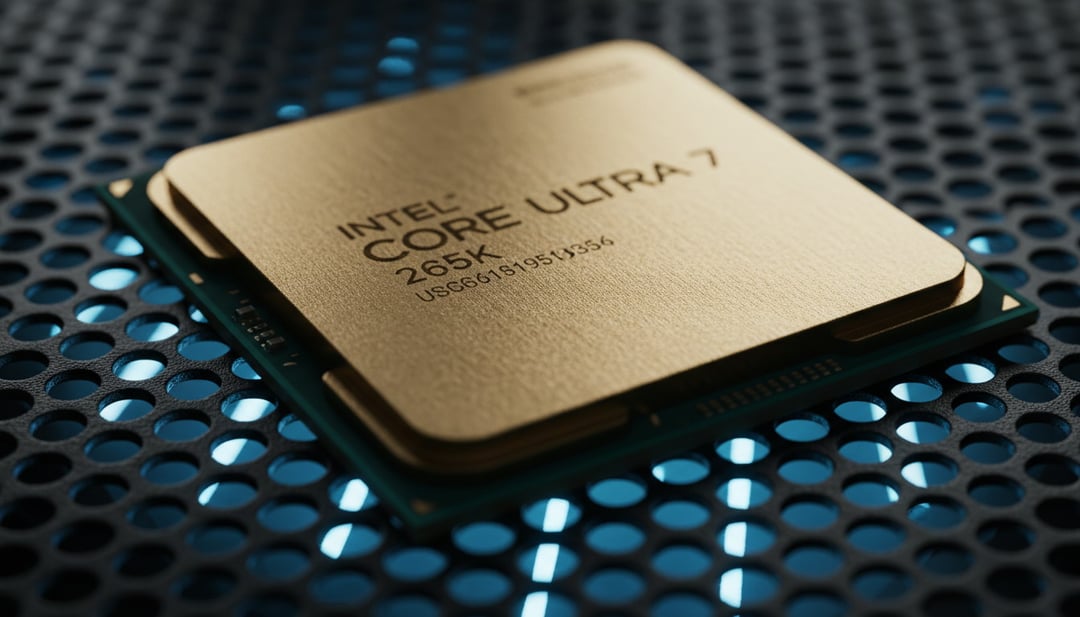
Intel and AMD processors are feeling the immediate heat. Prices for these CPUs have climbed roughly 10% to 15%, with Intel showing a 1.77% shift and AMD at 7.80%. Here's what I mean: the sheer scale of corporate AI demand is fundamentally absorbing the assembly lines. According to Nikkei Asia, this enterprise hunger for silicon is the direct catalyst for the current price hikes. But processors are just one piece of the puzzle...
Memory Costs Are Spiraling Out of Control
Honestly, the processor situation looks kind of mild compared to the explosion in memory costs. In just the first quarter of 2026, memory prices surged an eye-watering 90%. I'm not sure if anyone saw it moving this fast, but it's reshaping the entire market. Fast.
Projections for DRAM and Solid State Drives
Look at the forecasts, and things get even steeper. Gartner projects that the combined costs for DRAM and SSD components will climb by 130% by the end of the year. Because these core parts are suddenly so expensive, it's triggering a steep decline in overall PC shipments. Manufacturers just can't move standard computers in the same volume when memory costs this much. The math just doesn't work.
Retail Sales Are Cratering
When you look at actual stores, the fallout is painfully obvious. Recent data from German retailers shows that CPU sales have effectively collapsed. Dropping to just a fraction of the levels seen in the prior year. People are just backing away from building PCs. It's too expensive.
The Outlook for the Second Quarter
And it doesn't look like relief is coming soon. Analysts are actively warning that the processor shortage is going to worsen right through the second quarter. Really. The hardware pipeline is stretched to its absolute limit, and everyday buyers are the ones left waiting, hoping things normalize. I don't see that happening anytime soon...