
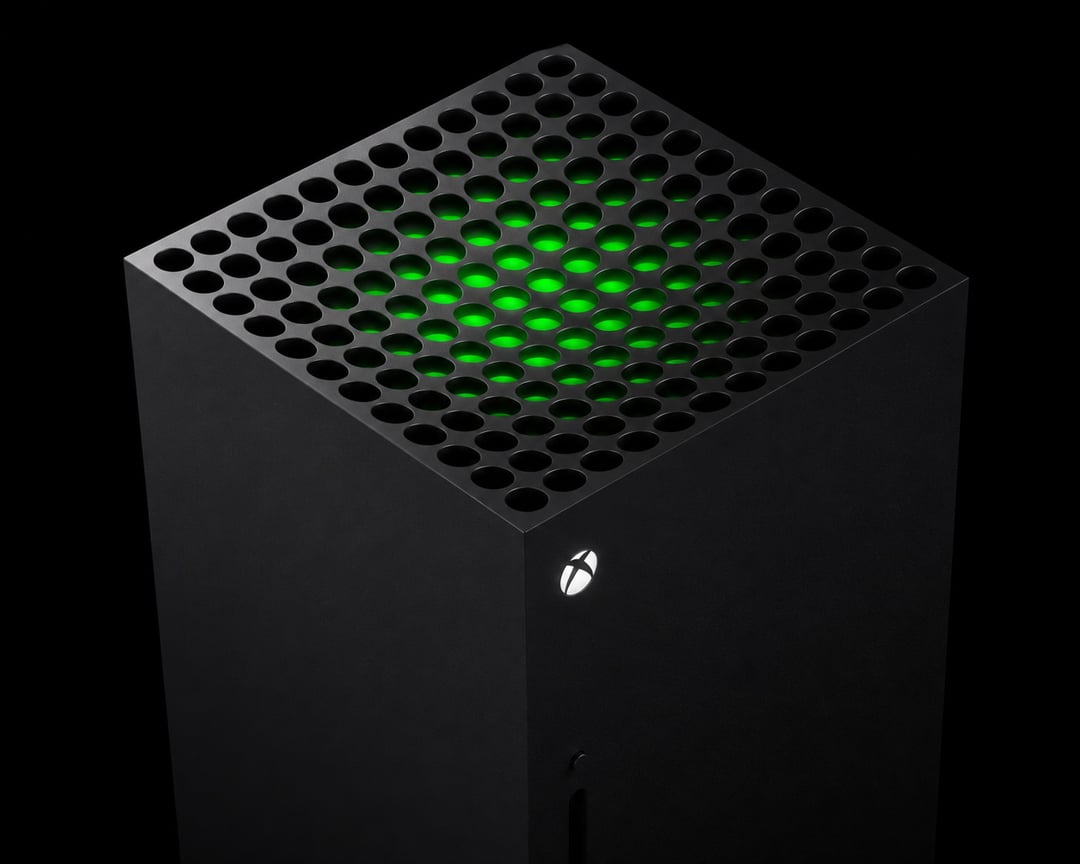
Microsoft has pushed Xbox console prices sharply higher across Europe and the UK, arriving only weeks after a comparable increase took effect in the US. The new European pricing lands like this:
|
Model
|
Previous price
|
New price
|
|
Xbox Series S 512GB
|
€349.99
|
€499.99
|
|
Xbox Series S 1TB
|
€399.99
|
€599.99
|
|
Xbox Series X Digital
|
€549.99
|
€749.99
|
|
Xbox Series X (disc)
|
€599.99
|
€799.99
|
That works out to jumps of as much as €200 in a single move. UK buyers face the same squeeze, with increases running between £130 and £170 depending on the model. None of this reflects new hardware. These are consoles that launched nearly six years ago, now carrying considerably higher price tags for the same specs.
How the US Increase Set the Stage
The European adjustment follows Microsoft's US announcement on June 25, when 512GB Xbox models rose by $100 and 1TB versions climbed by $150. Viewed together, the two rounds point to a pricing strategy that is regional in execution but consistent in direction.
Component Costs Are Driving the Numbers
Microsoft points to memory and storage as the pressure point. According to the company, those costs have risen by more than 2.5 times, and they could double again by the fall of 2027.
That forecast is not isolated. Samsung, one of the largest memory manufacturers in the world, expects the shortage to intensify in 2027 and persist through 2028. AMD has already raised processor prices, and graphics hardware costs are expected to rise again as well. The squeeze runs across the components that consoles and PCs both depend on.
What This Means for Project Helix
The timing is awkward for Microsoft's next console. Project Helix will be well into development by the time those projected 2027 cost increases hit, with early hardware expected to reach developers sometime next year.
The hardware direction is already known. The next Xbox will use a custom AMD chip and promises a significant leap in rendering and ray-tracing performance. More capable silicon, faster memory, and additional storage all carry higher bills of materials, and that remains true even though Microsoft negotiates component pricing at a far larger scale than a typical PC manufacturer.
Project Helix is positioned to lead on performance while staying accessible. With a six-year-old Series X now listed at €799.99, delivering on both halves of that promise looks like a difficult balancing act.
Xbox Hardware Is Under Pressure on Multiple Fronts
The pricing news lands while Microsoft's gaming business is already contracting.
- Gaming revenue fell 10% year over year in the most recent quarter.
- Hardware revenue dropped 13% in the same period.
- Across the full fiscal year, Xbox hardware revenue declined 29%.
Alongside those results, Microsoft has announced a major restructuring affecting roughly 3,200 Xbox jobs. The company has also acknowledged that its operating margins trail those of PlayStation and Nintendo, and that the current console generation has been more expensive to build while reaching fewer buyers than anticipated.
Put next to the price increases, that picture explains part of the reasoning. A generation that cost more to produce and sold to a smaller audience leaves little room to absorb rising component prices, and the adjustment gets passed to shoppers.
The Practical Takeaway for Buyers
For anyone weighing an Xbox purchase in Europe or the UK, the calculation has changed. The entry-level Series S 512GB now sits at €499.99, a tier that once represented the budget path into the ecosystem. The disc-based Series X at €799.99 sets a new ceiling for current-generation hardware.
With memory shortages projected to run through 2028 and processor and graphics costs trending upward, the broader cost environment is not pointing toward relief in the near term.