
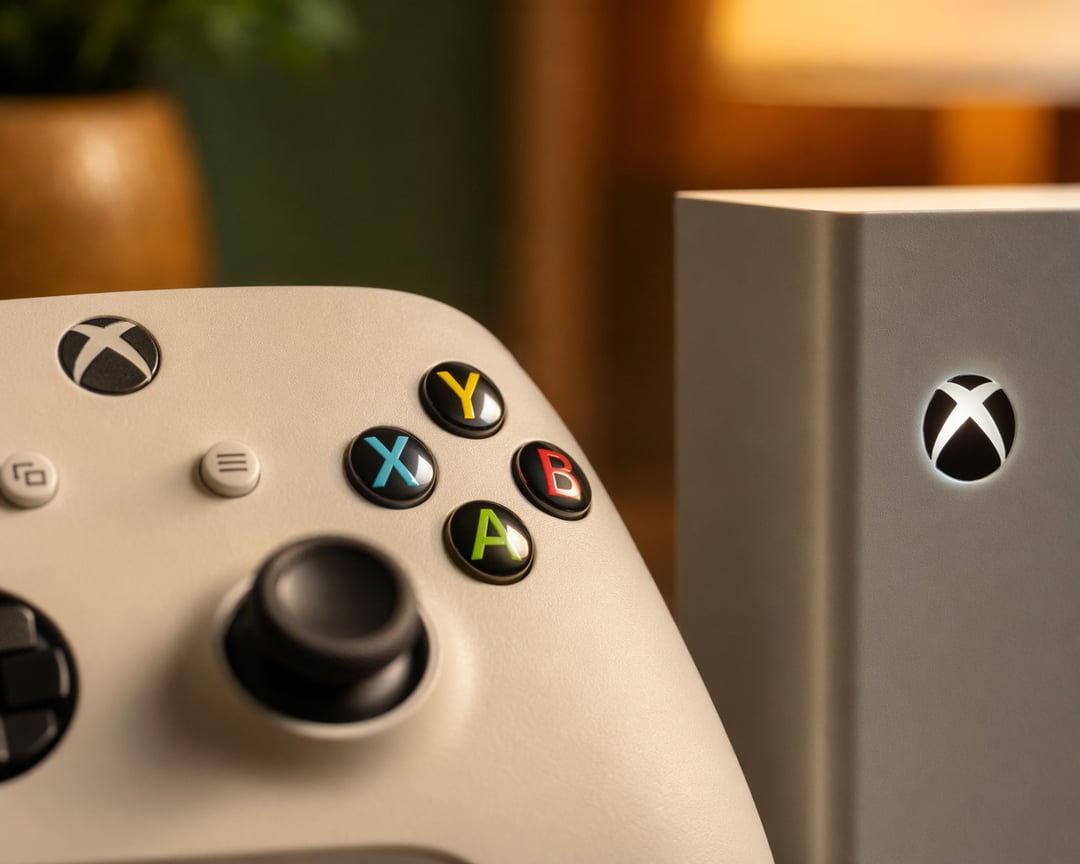
Microsoft Reportedly Rethinks Its Game Pass-Centered Vision for Xbox
For roughly the past ten years, Xbox operated around a single guiding idea: become the Netflix of gaming. Under former leadership, Microsoft poured tens of billions of dollars into building out Game Pass, acquired several of the industry's most prominent publishers, and championed the belief that subscriptions, not console sales, would ultimately shape the future of the business. A new report from Bloomberg indicates that this long-standing vision is now being reconsidered from the ground up.
A Renewed Focus on Hardware, Exclusives, and Flagship Franchises
Instead of building the Xbox business around subscription growth, Microsoft's gaming division is reportedly shifting its emphasis toward hardware, first-party titles, and its most recognizable franchises.
Asha Sharma Steers Xbox Toward a More Traditional Playbook
According to Bloomberg, Asha Sharma, who recently stepped into the top leadership role at Xbox, is guiding the business toward a more conventional approach. That strategy centers on selling consoles, developing must-play exclusive titles, and once again treating Xbox hardware as a genuine priority rather than simply another gateway into Game Pass.
Minecraft and King Take On a Bigger Role in Xbox's Long-Term Plans
The reported shift isn't limited to consoles alone. Rather than continuing to chase large-scale acquisitions, Microsoft's gaming arm is said to be relying more heavily on the brands it already owns. Minecraft and King are reportedly becoming increasingly central to Xbox's long-term direction. Bloomberg notes that Minecraft's consistent profitability has effectively helped underwrite much of the broader Xbox business — a contribution that has only expanded alongside King's substantial mobile gaming operations following Microsoft's acquisition of Activision Blizzard.
Why the "Netflix of Gaming" Model Reportedly Never Fully Worked
Bloomberg's reporting points to a straightforward explanation for the strategy's shortfall: people simply don't consume games the same way they consume movies or television. Despite spending billions of dollars to acquire Bethesda and Activision Blizzard, Game Pass reportedly never grew into the all-encompassing subscription platform Microsoft had originally envisioned.
The Day-One Call of Duty Dilemma
Internally, executives are said to have questioned whether releasing blockbuster franchises like Call of Duty on Game Pass from day one was the right long-term call, particularly given how much revenue those titles typically generate through traditional full-price sales.
What This Means for the Future of Game Pass
None of this points to Game Pass being phased out. The service is still expected to remain a significant piece of the broader Xbox ecosystem. What appears to be changing, based on Bloomberg's reporting, is its position at the center of Microsoft's strategy. The report frames this moment as something of a full-circle return for Xbox — a recognition that strong hardware drives console sales, compelling exclusives drive hardware sales, and subscription services work best when they reinforce that ecosystem rather than attempt to replace it.