
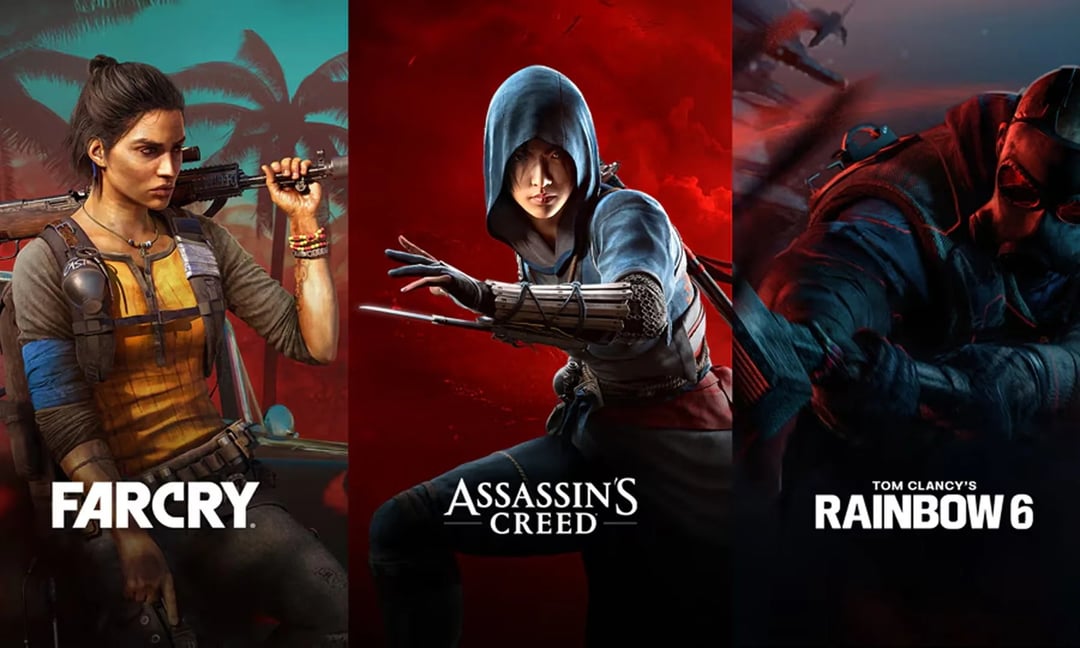
Ubisoft Is Betting Big on Its Heavy Hitters
Look, Ubisoft hasn't exactly been having the smoothest run lately. And the French publisher knows it. So now it's leaning hard into what it does best, dusting off the biggest names in its catalog to claw its way back into the spotlight. Its latest earnings report makes the strategy pretty clear: lean on the franchises that built the company, then sprinkle in something experimental to grab attention.
Here's the gist. The FY2025-26 earnings report shows Ubisoft expects a much stronger content pipeline rolling out across FY2027-28 and FY2028-29. We're talking releases tied to its marquee brands. Assassin's Creed. Far Cry. Ghost Recon. The classics. The reliable ones.
But the company isn't stopping there. It's also folding generative AI into the mix as what it's calling the next kind of player experience. And that's where things get... complicated.
What's Actually Coming and When
The next year is intentionally lighter. Ubisoft is treating FY2026-27 as a kind of breathing year, with Assassin's Creed Black Flag Resynced leading the pack, scheduled for July 9, 2026. Alongside that, there are other targeted premium games built around established brands, but nothing massive.
The company has also been doing some housekeeping. It cut seven projects entirely and pushed six others back as part of a broader portfolio reset. Painful? Probably. Necessary? Yeah, it sounds like it.
The Live and Mobile Side Is Holding Steady
It's not all about big single-player adventures, either. Multiplayer titles have been quietly doing a lot of the heavy lifting. Rainbow Six Siege, The Division 2, and The Crew helped power a strong Q4. On mobile, Rainbow Six Mobile and The Division Resurgence are part of the bigger push, even though their starts have been on the slower side.
So the comeback isn't just one swing. It's a mix of premium releases, live service, and mobile, all working together.
Why "Teammates" Has Gamers on Edge
Now here's the part that's got everyone talking. Ubisoft mentioned Teammates in the report, describing it as its "first playable Generative AI experience." The company says it's actually accelerating investment behind this thing, with the goal of enriching how players experience its games.
Beyond Teammates itself, Ubisoft says its teams are also building out AI tools for development pipelines. Think smarter NPCs. Bots that can help quality-control teams do their jobs better. Game worlds that adapt to what players do and react more dynamically in real time. It sounds neat on paper.
But here's the thing… players aren't sold. Not even close.
The Trust Problem With AI in Games
Generative AI in games is one of those topics that just lights people up. And not in a good way. There's a real question hanging over all of this: do these tools actually help developers make better stuff, or do they quietly replace the human craft that makes games feel handmade in the first place?
The reception on social media has already leaned negative. Players are worried about quality. They're worried about soul. They're worried about what happens when the things they love start feeling generated instead of made.
And honestly, that's the harder challenge for Ubisoft. The company has to prove Teammates is something players actually want, not just something the company wants to build. That's a different kind of mountain to climb.
The Bigger Picture for Ubisoft
You can kind of see what Ubisoft is trying to do here. Lean on the franchises that have decades of goodwill baked in. Use that runway to experiment with newer ideas. Reset the portfolio so the company isn't bleeding out on too many projects at once.
It's a sensible plan. But sensible isn't always exciting, and players aren't always patient. The next couple of fiscal years will say a lot about whether this approach actually works or whether it ends up being another chapter in a long story of mixed results.