
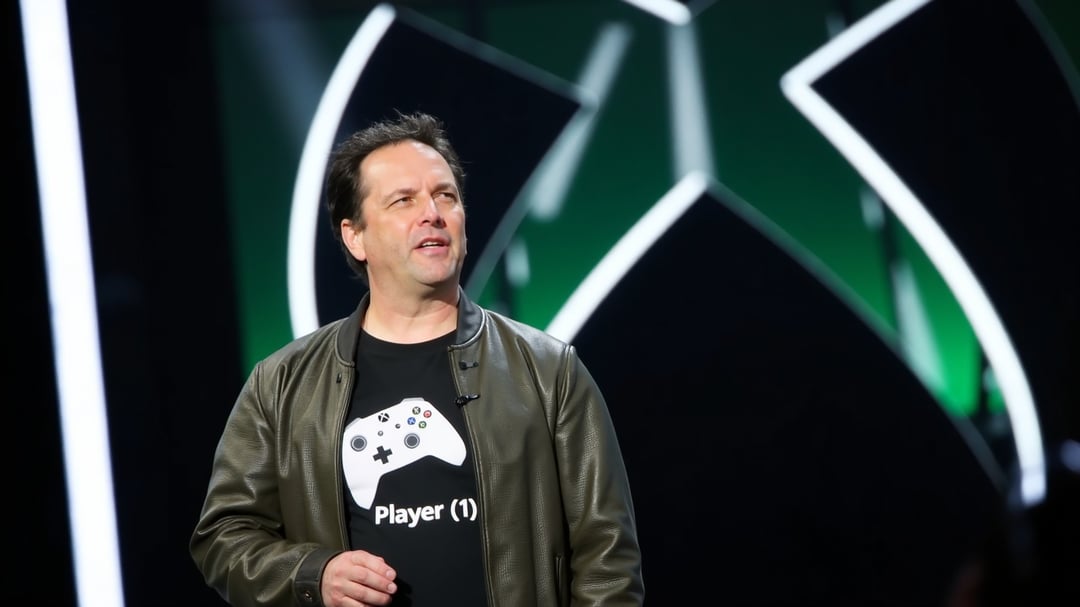
Microsoft Gaming CEO Phil Spencer Announces Retirement After 38 Years
Phil Spencer, the face of Xbox for over a decade, has announced his retirement from Microsoft after 38 years at the company. The decision, which Spencer made in the fall of 2025, was revealed through internal memos to Xbox employees and Microsoft staff. Spencer will remain in an advisory role through the summer to ensure a smooth leadership transition.
Microsoft CEO Satya Nadella addressed the departure in a company-wide memo, stating that succession planning had been underway since Spencer made his retirement decision. The announcement follows months of speculation about Spencer's future with the company, rumors that Microsoft had previously denied in summer 2025 when asked about potential retirement plans.
Asha Sharma Appointed New Microsoft Gaming CEO and Xbox Division Leader
Asha Sharma, currently serving as president of Microsoft's CoreAI Product division, will step into the role of Microsoft Gaming CEO. Sharma joined Microsoft in 2024 from Instacart, where she served as chief operating officer. She will report directly to Satya Nadella, positioning gaming as a significant priority within Microsoft's broader corporate structure.
Sharma's Professional Background and Industry Experience
Sharma's career trajectory spans several major technology companies. She initially worked at Microsoft from 2011 to 2013 in marketing and product roles before departing for other opportunities. Her subsequent experience includes serving as Vice President of Product and Engineering at Meta, where she led initiatives for Messenger and Instagram Direct platforms reaching billions of users.
At Instacart from 2021 to 2024, Sharma served as COO, managing a $30 billion-plus gross merchandise value P&L and guiding the company through its path to profitability and successful IPO. She also contributed to Porch Group's $1 billion public debut earlier in her career. Additionally, Sharma serves as an independent director on the boards of The Home Depot and Coupang.
CoreAI Leadership Role at Microsoft Prior to Gaming Appointment
Before her new gaming role, Sharma oversaw the teams and technologies powering artificial intelligence across Microsoft and its enterprise customers. Her work in Microsoft's CoreAI division, which is run by former Meta executive Jay Parikh, positioned her as a key figure in the company's AI strategy. This technical background in AI platforms and tools represents a significant shift from Spencer's gaming-focused leadership style.
Xbox President Sarah Bond Departs Amid Major Leadership Restructuring
Alongside Spencer's retirement, Xbox President Sarah Bond is leaving Microsoft to pursue a new chapter in her career. Bond served as president and chief operating officer at Xbox, making her departure a substantial change in the division's leadership structure.
Matt Booty Promoted to Executive Vice President and Chief Content Officer
Matt Booty, previously president of game content and studios at Microsoft, has been promoted to executive vice president and chief content officer of the gaming division. Booty will report directly to Asha Sharma in the restructured hierarchy. His expanded role encompasses content strategy across Microsoft's extensive gaming portfolio.
Phil Spencer's Legacy: Transforming Xbox into a Gaming Powerhouse
Spencer took charge of Xbox in 2014 after running the company's gaming studios. At that time, Sony was outselling Microsoft in the console market, and some investors had suggested spinning off consumer assets including Xbox. Spencer's leadership fundamentally changed Microsoft's position in the gaming industry.
Major Acquisitions Under Spencer's Leadership
Spencer's tenure is defined by several transformative acquisitions that nearly tripled Microsoft's gaming business revenue. The company acquired Mojang, the developer behind Minecraft, expanding Microsoft's reach into one of gaming's most popular franchises. In 2018, Spencer initiated a studio acquisition strategy by purchasing Playground Games, Undead Labs, Ninja Theory, and Compulsion Games.
The most significant acquisition came in 2022 with Microsoft's $69 billion purchase of Activision Blizzard King. This deal brought franchises including Call of Duty, World of Warcraft, Diablo, and Candy Crush under Microsoft's umbrella. The company also acquired ZeniMax Media, parent company of Bethesda Softworks, adding franchises such as The Elder Scrolls and Fallout to Microsoft's portfolio.
Expanding Xbox Beyond Traditional Console Gaming
Under Spencer's leadership, Microsoft Gaming grew to encompass nearly 40 studios across Xbox, Bethesda, Activision Blizzard, and King. Spencer expanded Microsoft's gaming reach across PC, mobile, and cloud platforms, moving the company beyond its traditional console-focused strategy.
Key initiatives launched during Spencer's tenure include Xbox Game Pass, the subscription service that reshaped how players access games; Xbox Play Anywhere, which allowed cross-platform ownership between Xbox consoles and Windows PCs; and accessibility achievements that made gaming more inclusive. Spencer also oversaw the release of the Xbox Series X and Series S consoles.
Gaming Culture and Community Connection
Throughout his leadership, Spencer maintained a reputation as one of the few gaming executives who was openly a gamer himself. He frequently played with community members and shared his gaming achievements publicly, building a connection with the Xbox community that extended beyond typical corporate leadership. Spencer received the Lifetime Achievement award at the 25th Annual D.I.C.E. Awards, recognizing his contributions to the gaming industry.
Financial Context: Xbox Business Revenue Decline Precedes Leadership Change
Microsoft's gaming division reported nearly 10% revenue decline in the December quarter, a steeper drop than management had projected. The timing of Spencer's retirement announcement comes amid these financial challenges, though the company had been planning succession since fall 2025.
Industry Competition and Market Position
When Nadella became CEO in 2014, Microsoft faced significant competitive pressure from Sony's PlayStation division. Spencer's strategy of expanding beyond console exclusivity to subscription services, cloud gaming, and multi-platform releases represented a significant strategic shift. The Activision Blizzard acquisition was positioned to strengthen Microsoft's competitive position, though the integration of such a massive organization presents ongoing challenges.
What Asha Sharma's AI Background Means for Xbox Strategy
Sharma's appointment signals a potential shift toward integrating AI technologies more deeply into Microsoft's gaming strategy. Her experience leading CoreAI Product at Microsoft, combined with her background scaling consumer platforms at Meta and Instacart, suggests a focus on technological innovation and operational efficiency.
Sharma's Vision: "The Return of Xbox"
In her memo to employees, Sharma committed to "the return of Xbox" as part of her vision for the gaming division. The phrasing acknowledges uncertainty about the brand's current status while suggesting a renewed focus on Xbox as a gaming identity. What this specifically means for the brand's direction remains to be seen, but it signals awareness of challenges facing the division.
Gaming vs. Business Leadership: A Strategic Shift
Unlike Spencer, who built his career in gaming and was known as a passionate gamer himself, Sharma comes from a product, operations, and AI background rather than gaming. Her experience at scale on consumer platforms at Meta and Instacart provides a different leadership perspective. Nadella praised Sharma for helping "build and scale services that reach billions of people and support thriving consumer and developer ecosystems."
Industry Impact: Gaming Leadership Changes at Microsoft Signal New Era
The departures of Spencer and Bond represent a significant moment of transition for Microsoft Gaming. Spencer's exit follows other major departures from Microsoft in 2025, including business development chief Chris Young and GitHub CEO Thomas Dohmke. The consolidation of gaming leadership under Sharma, with Booty overseeing content, represents a new organizational structure for one of the industry's largest gaming companies.
Microsoft's Broader Gaming Ecosystem Strategy
Microsoft Gaming now encompasses a vast ecosystem including the Xbox console platform, Windows PC gaming, cloud gaming services, mobile gaming through King, and franchises spanning multiple generations of gaming. Managing this complexity while integrating acquired studios and maintaining competitive pressure on Sony and emerging competitors presents significant challenges for the new leadership team.