
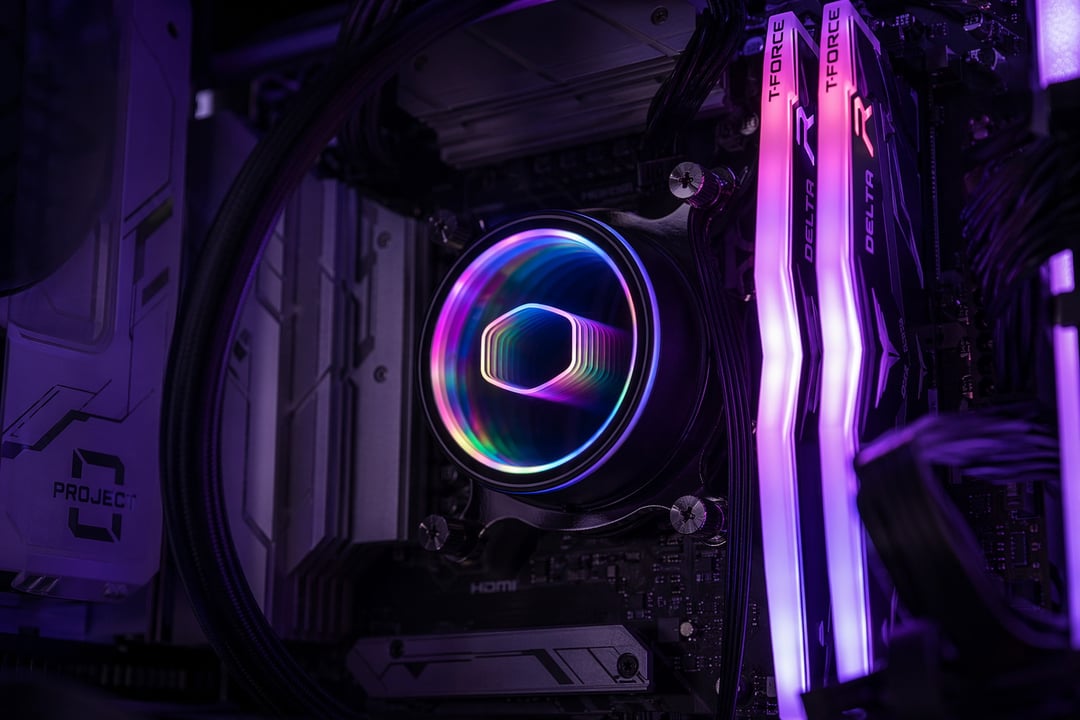
A Recommendation Nobody Expected Microsoft to Make
So Microsoft published a guide. A pretty bold one, actually. Posted on its Windows Learning Center, the piece was titled "What the Best Windows PC Gaming Systems Have in Common," and it did something refreshingly direct: it told gamers that 32GB of RAM is the "no worries" configuration for a gaming PC.
Not 16GB. Not "it depends." Thirty-two gigabytes — full stop.
The guide described 16GB as a "practical starting point" for most players, which is fair enough. But then it went further, positioning 32GB as the smarter upgrade for anyone running Discord, a browser, or streaming tools alongside their games. "That extra memory also gives newer titles more breathing room as memory demands continue to rise," Microsoft wrote.
Reasonable advice, honestly. The kind of thing any hardware enthusiast would tell you over a forum post. And then — just as tech outlets started covering it — the page disappeared.
The Guide Vanished Without Explanation
Windows Latest and a handful of other outlets caught the post before it was pulled. Once the wider media picked it up, the page was gone. Microsoft hasn't publicly explained why.
And here's the thing: the recommendation itself wasn't controversial, at least not among people who build PCs regularly. Steam's latest hardware survey shows around 41 percent of gamers are running 16GB, while about 37 percent have already moved to 32GB. PC Gamer's own 2026 build guides have been pointing toward 32GB as the comfortable baseline for mid-range and higher-end systems for a while now.
So it wasn't the advice that caused the problem. It was the timing.
Why the Timing Was... Kind of a Disaster
DDR5 memory prices have been climbing hard lately. We're talking $350 or more for a 32GB kit, with plenty of options pushing past $400. A big chunk of that is AI-related demand — companies building AI servers are hoovering up high-bandwidth memory, and that pressure is rippling out to consumer hardware everywhere.
Against that backdrop, Microsoft publishing a guide essentially saying "yeah, you should probably double your RAM" landed awkwardly. It raised eyebrows. And then there's the internal contradiction that's hard to ignore.
Microsoft Flight Simulator 2024 — a Microsoft game — lists 64GB of RAM as its ideal specification. The first major title to set the bar that high. Meanwhile, Windows 11's official minimum requirement is still 4GB, a number that has almost nothing to do with what the OS actually needs to run well in the real world.
So you've got Microsoft saying: Windows needs 4GB (minimum), our game ideally wants 64GB, and also, hey, 32GB is the sweet spot for gaming. Those three things existing at the same time is... a lot.
The Bigger Picture for Microsoft Gaming
This whole episode fits into a genuinely turbulent stretch for Microsoft's gaming division. Xbox hardware revenue dropped 33 percent in its most recent quarterly earnings. Xbox content and services revenue slid 5 percent. New Xbox CEO Asha Sharma has pledged a "renewed commitment" to the platform, and the company has been quietly pivoting back to the Xbox identity after experimenting with "Microsoft Gaming" as a brand umbrella.
On the Windows side, Microsoft has promised to reduce Windows 11's baseline memory footprint and improve performance for gamers as part of a broader quality push announced earlier this year. There's even an internal effort called "Windows K2" aimed at tackling bloat and lag — described not as a new OS release but as an ongoing engineering shift already showing up in preview builds.
And here's where the messaging gets genuinely muddled: recommending that gamers buy more RAM while simultaneously promising to make Windows use less of it is exactly the kind of mixed signal that erodes trust. It's not malicious. It probably just reflects how big and fragmented Microsoft's internal teams are. But from the outside, it reads as a company that isn't quite sure what it wants its relationship with PC gamers to look like.
The guide may be gone, but the questions it raised are still sitting there.