
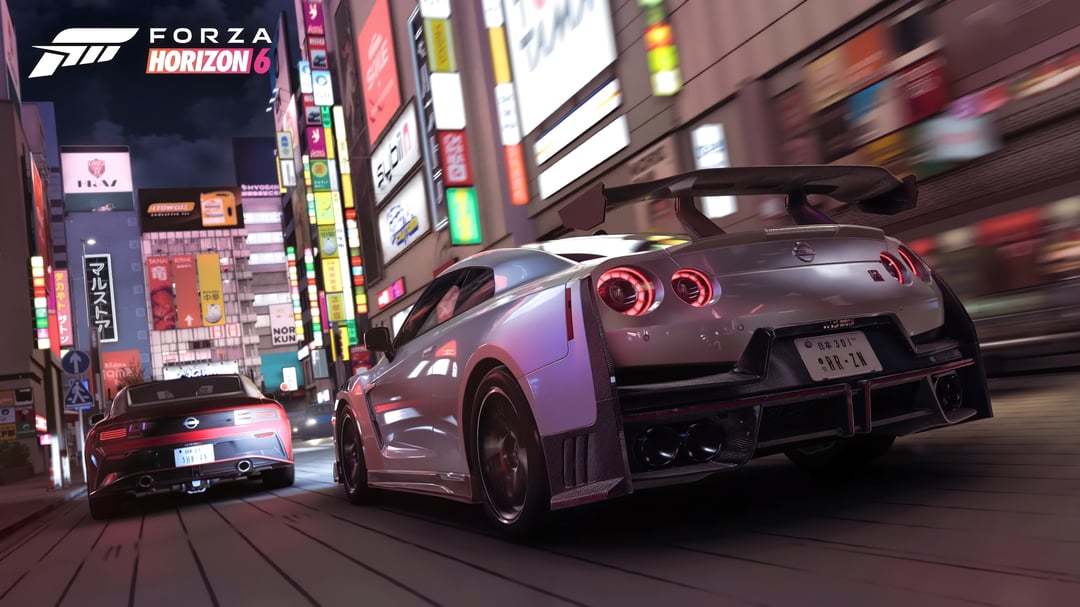
Forza Horizon 6 shifts the Horizon Festival toward a more grounded Japan setting
Forza Horizon 6 takes the series to Japan, and that setting shapes nearly everything in this early hands-on look. The driving itself already feels right at home with the strongest past entries. The physics, the surface feel, and the sense of speed all land where they need to. But what really stands out here is how the new setting changes the mood.
Instead of leaning as hard into spectacle, the opening hours push a more grounded idea: arriving in Japan and getting pulled into the Horizon Festival. That change shows up right away in the Initial Drive. You still move between different cars and routes, and the sequence still works as a broad preview of the places and experiences waiting ahead. But this time, it is more restrained. The game dials back some of the more fantastical flourishes and focuses more on atmosphere, place, and the feeling of stepping into a major event built around cars and music.
The Initial Drive trades excess for world-building
The opening sequence is designed to do more than just throw players into fast cars. It also sells the world. The Horizon Festival remains central, but here it is framed less like a wild fantasy and more like a large-scale organized event. Roads are blocked off. Sponsors are present. Marshals and volunteers help define the space. That extra structure gives the festival a different tone and helps the game feel more rooted in its setting.
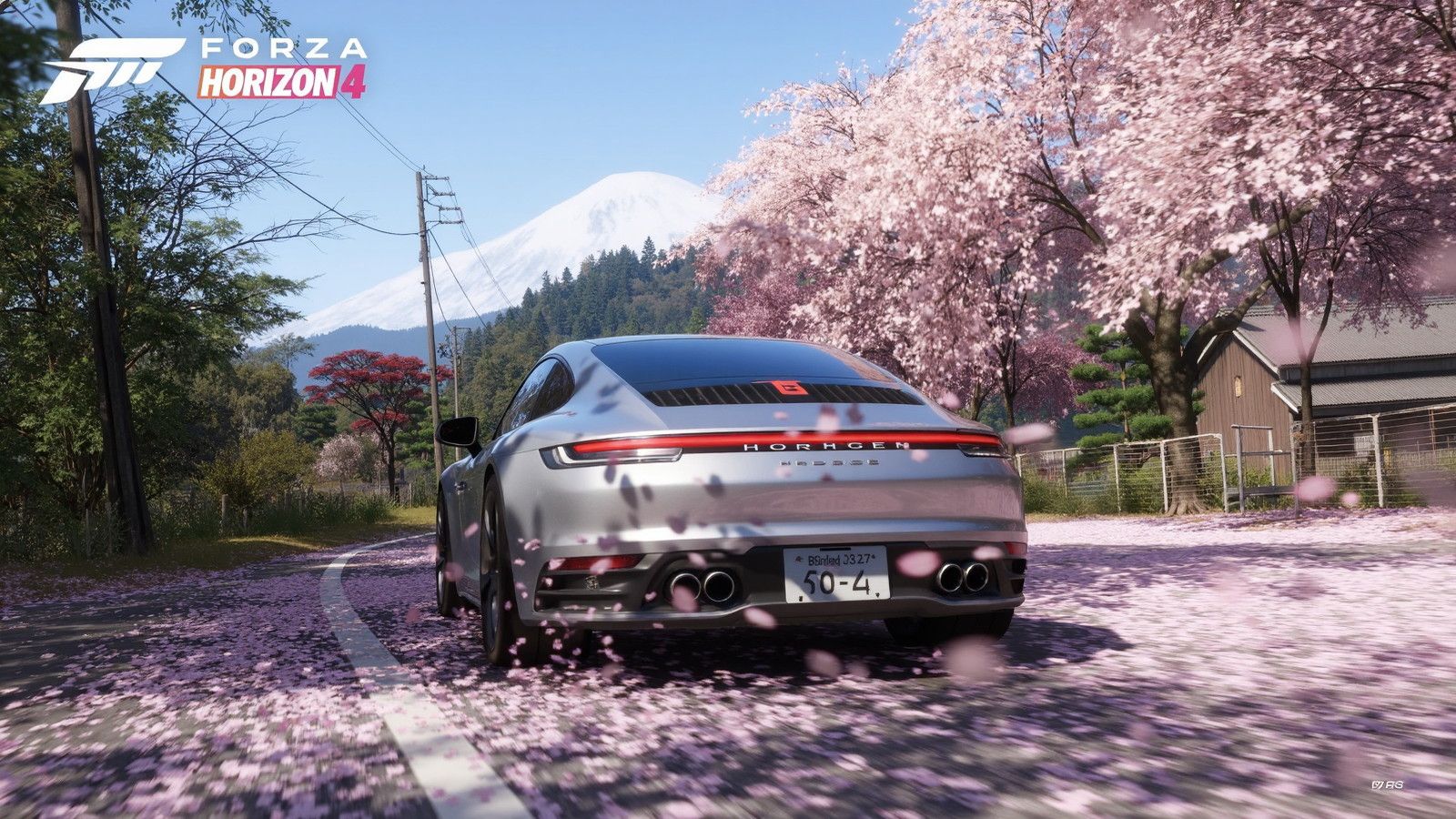
That approach also adds more narrative texture to the start of the experience. The early campaign builds around the idea that your character has been entered into qualifier races by a friend, which makes the whole setup feel more like being dropped into an existing car culture scene than simply being handed a set of races.
Japan’s roads and biomes shape the driving experience
One of the most interesting details in this preview is how closely the map design appears tied to specific kinds of driving. The Grassroots Circuits are a big part of that. These circuits are presented as real-world-style time attacks run by local groups, and they help define not only the events themselves, but also the kinds of regions included in the game.
Grassroots Circuits help ground the map
The presence of Grassroots Circuits gives the early campaign a different flavor from the official festival events. They suggest a more local, scene-based side of racing, and they also seem to have influenced the map’s biomes and road choices. The areas selected were not just chosen because they looked good. They were also chosen because of what kinds of roads and time attack circuits they could support.
That matters in a racing game like this. Roads are the game. And here, the road types are not treated like background decoration. They are part of the design logic behind the world.
Tokyo is the main metropolitan focus in the preview build
In the preview build, Tokyo appears to be the only major metropolitan area. That means players looking for multiple large cities may need to adjust expectations, at least based on this early version. The map reportedly cuts off around Kawazu Nanadaru and the Hakone Nanamagari drifting course, which places the playable area south of Tokyo in a meaningful way, even if the full scope is not visible here.
Tokyo itself is described as necessarily compressed. That makes sense. Capturing the full scale of the real city would be a massive challenge. Still, the areas shown leave a strong impression, with notable parts of the city such as Shibuya and Minato recreated in striking form.
Tokyo streets, Touge roads, and alpine scenery give the map real variety
What makes the setting feel especially strong is the contrast between dense urban spaces and the roads beyond them. Tokyo brings recognizable city environments, while the surrounding regions push the experience into more specialized driving territory.
Urban detail meets mountain-road personality
The city sections are visually impressive, but the roads outside Tokyo may be even more important to the overall identity of Forza Horizon 6. The preview highlights Touge roads and the Tateyama Snow Corridor in the Japanese Alps, giving the map a strong mix of street racing appeal and scenic variety.
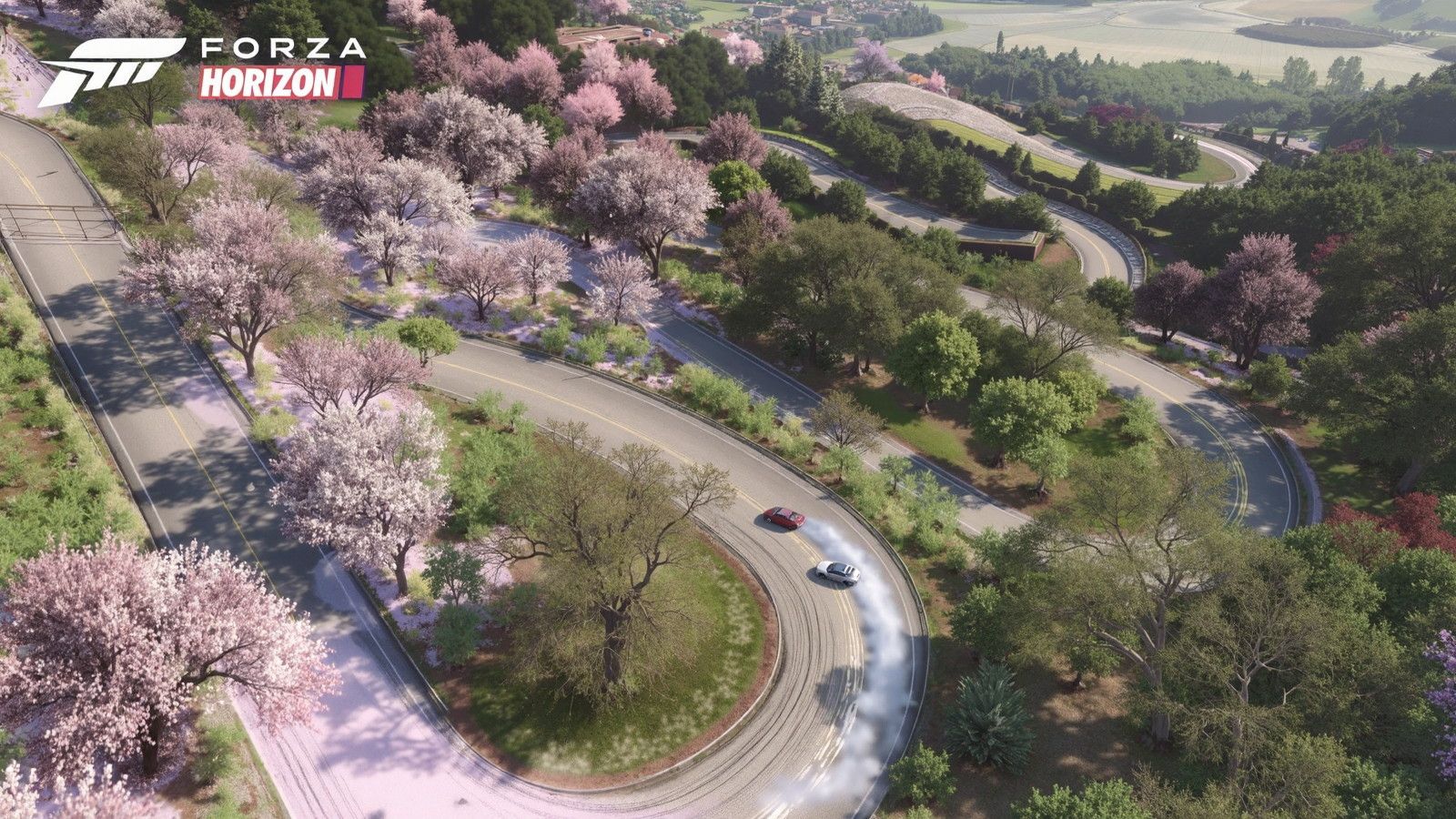
That blend feels right for a Horizon game. You get the city spectacle, but also the winding roads and elevation changes that make driving memorable. And honestly, that’s where a Japan setting really starts to earn its place.
The starting cars reflect different race types and specialties
The preview build begins with three vehicles, each covering a different kind of event. Two of them are well-known Japanese models, which fits the setting cleanly, while the third fills a practical role for off-road competition.
Three early cars set the tone for street, rally, and off-road play
The 1989 Nissan Silvia K’s is positioned as a street-racing option. The 1994 Toyota Celica GT-Four ST205 handles rally duties. For off-road events, the build provides a 1970 GMC Jimmy. That last choice stands out because the Japanese market is not typically associated with off-road vehicles in the same way, so the vehicle selection here appears to be guided by gameplay needs as much as regional identity.
Even so, the hands-on session makes clear that these are just starting points. The featured box-art car, the 2025 Toyota GR GT prototype, points to a much broader garage waiting in the full game.
Qualifier races, PR stunts, and collectibles keep the early game busy
The hands-on portion focuses on qualifiers that sit ahead of the main campaign progression, but even that early slice seems packed. There are the expected race events, but also a long list of side activities and map objects that help fill out exploration.
The preview phase already includes plenty to do
During this early portion, players can take part in qualifiers and PR stunts such as Speed Traps, Drift Zones, and Danger Sign ramps. Collectibles are also spread across the map, including XP bonus boards and mascots that can be smashed through.
That mix matters because Horizon works best when driving from one event to another never feels empty. Based on this preview, that rhythm is still intact. There always seems to be something nearby pulling you off the road for just one more activity.
The Qualifier Phase separates street racing from the structured festival campaign
One of the clearest design ideas in the preview is the split between the Qualifier Phase and the more formal festival campaign. That structure gives Forza Horizon 6 two distinct flavors of progression.
Street races and Touge battles lead into the main festival
The Qualifier Phase includes a broad stretch of content, with street races, Touge races, and Touge battles all part of the early campaign. This section appears to represent the looser, less regulated side of the game’s racing culture.
By contrast, the festival side sounds more structured. Events unlock in sequence, include car restrictions, and gradually move from slower cars to faster ones as players build up. That creates a clear distinction between free-form discovery and organized progression.
And that split is smart. It gives the Japan setting room to support both formal Horizon Festival competition and the more underground tone suggested by roads like the C1 Loop and the Touge routes.