Peter Steinberger’s Move From OpenClaw to OpenAI
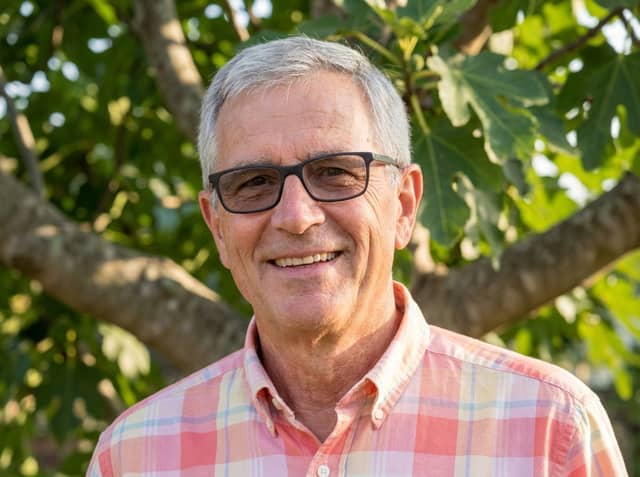
Peter Steinberger, the developer behind the AI personal assistant now known as OpenClaw, has joined OpenAI. The move follows a short, intense period where OpenClaw surged in attention for a simple, sticky promise: an AI assistant that “actually does things.”
What Steinberger built: an AI personal assistant designed for action
OpenClaw positioned itself around practical execution, explicitly framed around tasks like:
- managing your calendar
- booking flights
- joining a social network populated by other AI assistants
That emphasis on doing, not just chatting, is the core context around why this story matters—and why OpenAI would want Steinberger focused on agents.
OpenClaw’s Viral Momentum and What Drove It
OpenClaw “achieved viral popularity” over the past few weeks by leaning into real-world utility. Instead of presenting itself as another conversational AI, it offered the idea of an assistant that handles logistics and participates in broader agent ecosystems (including a social network of assistants).
OpenClaw’s earlier names and why they changed
Before it was called OpenClaw, the assistant went through two previous names:
- Clawdbot
- Moltbot
The first name change happened after Anthropic threatened legal action because “Clawdbot” was seen as too similar to Claude. The second change occurred because Steinberger preferred the newer name.
Why Steinberger Joined OpenAI (In His Own Framing)
In a blog post announcing his decision, Steinberger framed the choice in terms of impact and speed rather than company-building.
“Change the world” vs. “build a large company”
Steinberger said that while he might have been able to turn OpenClaw into “a huge company,” that outcome wasn’t compelling to him. His stated motivation was more direct: he wants to “change the world,” and he sees partnering with OpenAI as “the fastest way to bring this to everyone.”
That’s a pretty revealing lens: not “scale my startup,” but “maximize distribution of the idea.”
Sam Altman’s Comment: “Next Generation of Personal Agents”
OpenAI CEO Sam Altman posted that in Steinberger’s new role, he will “drive the next generation of personal agents.”
What OpenAI signals by emphasizing “personal agents”
Within the context provided, “personal agents” ties neatly to what made OpenClaw resonate: automation, execution, and assistants that take action across real tasks (calendar management, booking travel) and even participate in broader networks of agents.
What Happens to OpenClaw: Open Source, Foundation-Based, OpenAI-Supported
Altman also addressed OpenClaw’s future: it will “live in a foundation as an open source project” and OpenAI “will continue to support” it.
OpenClaw’s status after the founder joins OpenAI
Based on the provided context, two things are clear:
- OpenClaw continues as an open source project
- It will be housed in a foundation, with ongoing OpenAI support
That’s a notable outcome for users and developers who were watching the project’s momentum and wondering whether it would be acquired, shut down, or commercialized. The stated direction is continued life—just not as Steinberger’s standalone company-building vehicle.