
You've probably heard "blockchain" thrown around in conversations about Bitcoin, cryptocurrency, or the future of technology. But what exactly is it? And why does everyone seem so excited about it?
Here's the good news: blockchain isn't as complicated as it sounds. In fact, once you understand the basic concept, you'll wonder why it seemed so mysterious in the first place. Let's break it down in plain English—no computer science degree required.
What Is Blockchain, Really?
Think of blockchain as a digital notebook that records transactions or information. But here's what makes it special: instead of one person keeping that notebook locked in a drawer, thousands of people have identical copies of it. Every time someone adds a new entry, everyone's notebook updates automatically.
That's blockchain in a nutshell—a shared digital ledger that's distributed across many computers instead of stored in one central location.
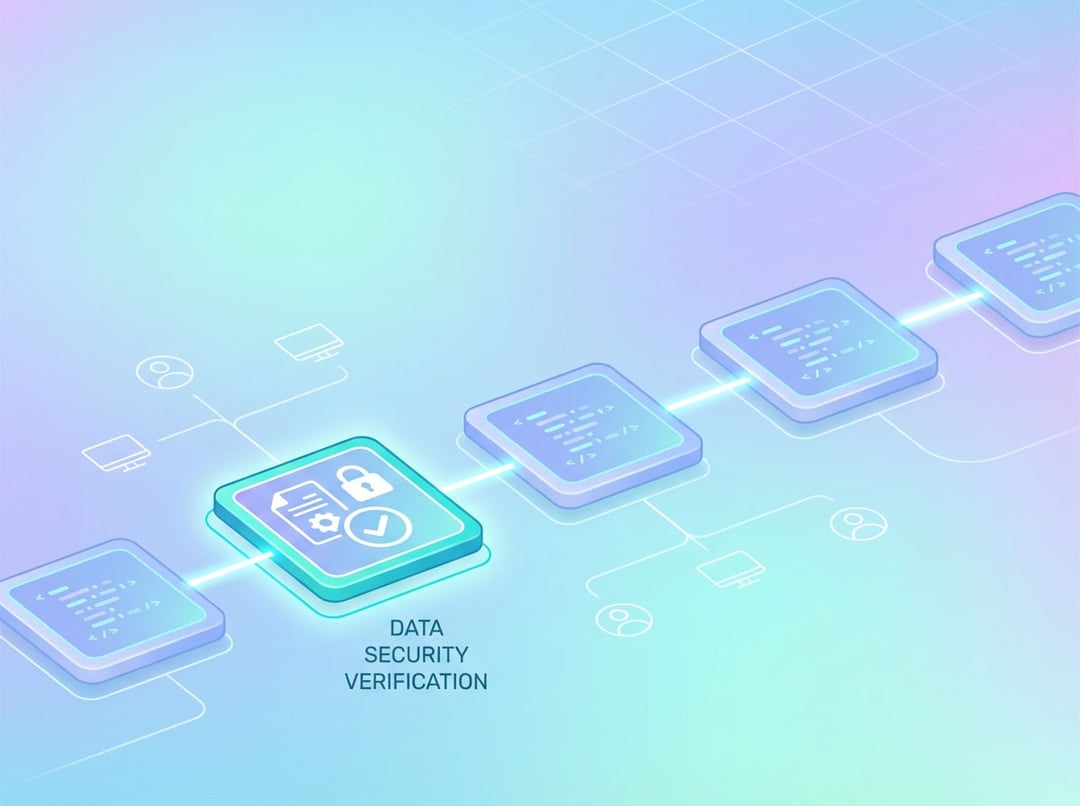
The name itself gives you a clue about how it works. Information gets stored in "blocks," and these blocks link together in a "chain." Each new block connects to the one before it, creating an unbreakable sequence of records that stretches back to the very first transaction.
The Building Blocks: How It Actually Works
Step 1: Someone Makes a Transaction
Let's say you want to send digital money to a friend. You initiate the transaction, which gets broadcast to a network of computers (called "nodes") around the world.
Step 2: The Network Verifies It
Here's where blockchain gets clever. Instead of a bank checking whether you have enough money, the entire network works together to verify your transaction. These computers use complex mathematical puzzles to confirm everything checks out.
This process is called "mining" in cryptocurrency networks, though not all blockchains use mining. The key point? Multiple independent parties verify the transaction, not just one central authority.
Step 3: The Transaction Goes Into a Block
Once verified, your transaction gets bundled with other recent transactions into a new "block" of data. Think of it like filling up a page in that shared notebook before moving to the next page.
Each block contains:
- A list of transactions
- A timestamp showing when it was created
- A unique fingerprint (called a "hash")
- The fingerprint of the previous block
Step 4: The Block Joins the Chain
This is where the magic happens. The new block gets added to the chain in chronological order, and every computer in the network updates its copy. Once added, the block becomes permanent—you can't change or delete it without everyone noticing.
Why Can't You Cheat the System?
You might be thinking: "If everyone has a copy, couldn't someone just change their version to give themselves more money?"
Great question! Blockchain has built-in security features that make cheating virtually impossible:
Cryptographic Fingerprints: Each block has a unique hash—think of it as a digital fingerprint. If someone changes even one tiny detail in a block, the fingerprint changes completely, and everyone can see something's wrong.
The Chain Reaction: Remember how each block contains the previous block's fingerprint? If you tamper with one block, you'd have to change every single block that came after it. And you'd have to do this on the majority of computers in the network simultaneously. Good luck with that.
Consensus Rules: The network operates on a "majority rules" principle. If your copy doesn't match most other copies, the network rejects your version. You'd need to control more than half the network to successfully cheat—which is prohibitively expensive and difficult.
Real-World Examples Beyond Bitcoin
While Bitcoin made blockchain famous, the technology has applications far beyond cryptocurrency:
Supply Chain Tracking: Companies use blockchain to track products from factory to store shelf. You can scan a code and see exactly where your coffee beans were grown or verify that your luxury handbag is authentic.
Healthcare Records: Hospitals are exploring blockchain to securely share patient records between providers while keeping your data private and tamper-proof.
Digital Identity: Some countries are testing blockchain-based digital IDs that you control, reducing identity theft and simplifying verification processes.
Smart Contracts: These are self-executing agreements written in code. When conditions are met (like "payment received"), the contract automatically executes the next step (like "transfer ownership"). No middleman needed.
The Trade-Offs You Should Know
Blockchain isn't perfect for everything. It's slower than traditional databases because all those computers need to reach consensus. It also uses significant energy, especially in cryptocurrency networks that rely on mining.
Plus, once something's on the blockchain, it's there forever. That permanence is great for security but tricky if you made a mistake or need to comply with privacy laws requiring data deletion.
Why Does This Matter to You?
Even if you never buy cryptocurrency, blockchain technology is quietly reshaping how we handle trust in the digital world. Instead of relying on banks, governments, or tech companies to verify transactions and keep records, blockchain distributes that power across networks.
It's not about eliminating institutions—it's about creating alternatives and giving people more control over their data, money, and digital identity.
Final Thoughts
Blockchain is essentially a shared, unchangeable record book maintained by many computers instead of one central authority. Transactions get verified by the network, bundled into blocks, and added to a permanent chain that everyone can see but no one can alter.
It's transparent, secure, and doesn't require you to trust any single organization. Whether it lives up to all the hype remains to be seen, but understanding the basics puts you ahead of the curve in conversations about the future of technology.
Now when someone mentions blockchain at a dinner party, you won't just nod along—you'll actually know what they're talking about.