
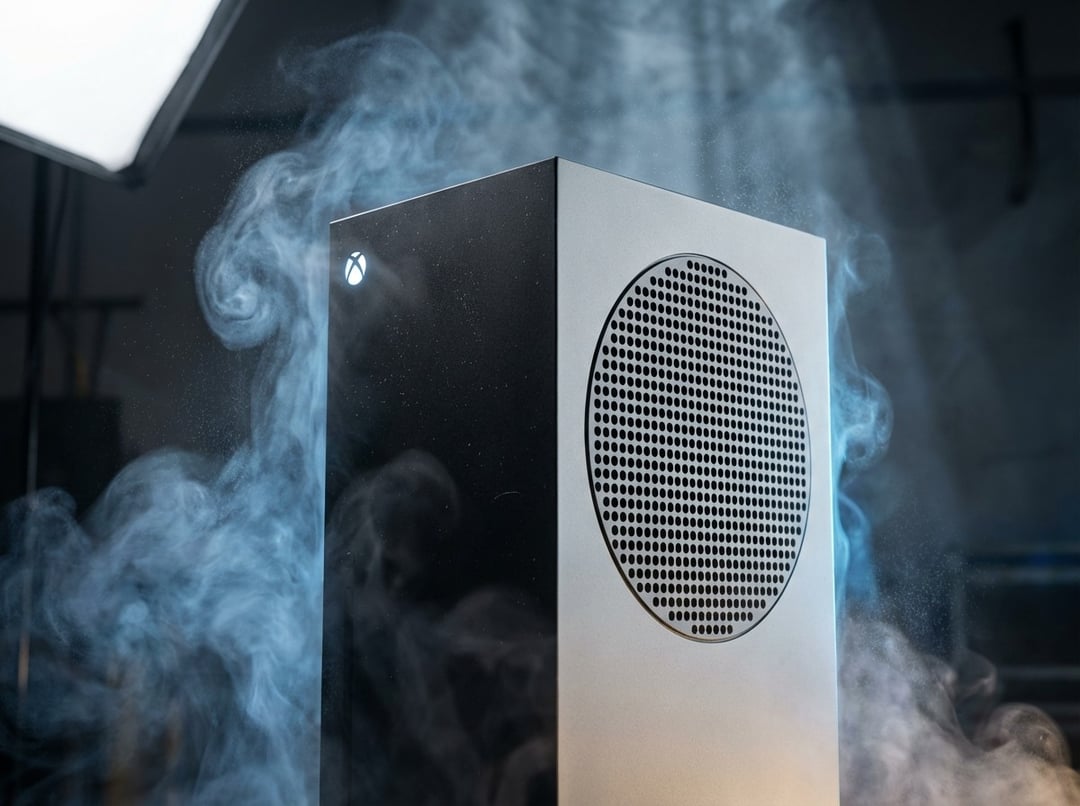
Xbox Console Commitment Amid Industry Uncertainty
There’s been this quiet anxiety hanging over Xbox lately. You could feel it. When former exclusives started landing on PlayStation and sales numbers dipped, a lot of players wondered the same thing: Is Microsoft backing away from consoles?
Asha Sharma, stepping in as CEO, addressed that head-on. And honestly, she didn’t dance around it. The message was clear — Xbox hardware isn’t going anywhere.
She acknowledged what a lot of executives avoid saying out loud: players have poured real money and years of their lives into the Xbox ecosystem. Twenty-five years of libraries, achievements, controllers, digital purchases. That’s not just a product line. That’s history. And her framing of the “return to Xbox” starts with the box itself. The console still matters. The hardware is still central.
For players worried that Microsoft might pivot entirely into publishing software on competing platforms, this was a line in the sand.
First-Party Games Remain Core to Xbox Strategy
Rejecting the “Third-Party Publisher” Narrative
Matt Booty, now serving as Chief Content Officer, shut down the speculation that Microsoft wants to become just another software vendor across rival systems. That theory gained traction as Xbox titles appeared elsewhere. But according to Booty, that’s not the direction.
The studio system, he explained, is designed to work closely with the hardware team. It’s not accidental. Studios help shape early device concepts and optimize games specifically for Xbox hardware, including emerging form factors like Xbox handheld gaming PCs.
That kind of integration doesn’t happen if you’re planning to abandon the platform. It only makes sense if hardware and software are being built side by side.
A Federation of Studios Built for Scale and Risk
Booty described Xbox’s internal structure as a federation of studios. And that’s important. It means the organization isn’t a single pipeline pushing out the same type of game over and over. It supports both annual blockbuster franchises and smaller, experimental passion projects.
Here’s what that signals: creative risk isn’t being cut in favor of safe, trend-chasing bets. Sharma reinforced that idea. Success, she argued, comes from serving the core audience — not pivoting every time the market shifts.
First-party development isn’t being sidelined. And smaller creative experiments still have room to breathe inside the ecosystem.
AI in Xbox Games: Clear Boundaries and Creative Protection
Drawing a Hard Line on Artificial Intelligence
Sharma’s background leading Microsoft’s CoreAI group naturally raised concerns. Would AI become mandatory across Xbox studios? Would automation creep into writing, art, or design?
She addressed that directly.
Her position was firm: no slop, no derivative work, no careless automation. AI should be a tool — not a shortcut that drains originality from games. She emphasized setting boundaries around what the company will not do.
That distinction matters. It’s one thing to explore emerging technology. It’s another to dilute creative identity in the process.
No Top-Down AI Mandates for Developers
Booty clarified that there are no top-down directives forcing AI implementation. Development teams can choose tools that help them — whether that’s streamlining bug testing or optimizing code.
But the creative core stays human.
Writing. Art. Design. Those remain in the hands of people.
Booty also pointed out something often overlooked: historically, new tools increase demand for specialized talent rather than replace it. The aim isn’t to automate development. It’s to raise the quality bar.
And that’s a subtle but crucial difference.
Strengthening Xbox Hardware for the Next Generation
Proof Over Promises
Sharma openly acknowledged that Xbox has hit rough patches. Sales declines and strategic shifts have left fans with legitimate concerns. Instead of dismissing that, she leaned into it.
Her stance is practical: promises don’t mean much without proof. She plans to spend time visiting studios like Bethesda and Activision, digging into the data behind recent decisions before making major changes.
That approach suggests measured leadership rather than reactive pivots.
Upcoming Hardware Announcements and Long-Term Vision
Sharma indicated that hardware announcements tied to the “return to Xbox” are coming soon. That signals forward momentum in console development and platform investment.
More importantly, the timeline she framed extends far beyond the next fiscal quarter. The stated goal is strengthening Xbox for the next 25 years.
That long-term orientation reinforces the broader message: Xbox isn’t exiting hardware. It’s recalibrating and preparing for its next chapter.
Leadership Transition and Organizational Stability
The leadership shift — with Sharma stepping in as CEO and Booty moving into the Chief Content Officer role as Phil Spencer approaches retirement — represents a significant transition. But both leaders emphasized continuity rather than disruption.
They positioned the moment not as a pivot away from Xbox’s identity, but as a recommitment to it.
Hardware remains foundational.
First-party games remain central.
Creative integrity remains protected.
And the strategy moving forward centers on reinforcing those pillars rather than replacing them.